Kidneys are susceptible to damage not only from underlying medical conditions but also from medication abuse, particularly antibiotics, painkillers, non-steroidal anti-inflammatory drugs, diuretics, and various unregulated products marketed for weight loss, muscle gain, or skin whitening.
Some antibiotics can form solid crystals, precipitate, and obstruct urine flow. Others contain substances that may affect cells the kidneys attempt to excrete. Diuretics, which help the body eliminate excess fluids, are commonly prescribed for high blood pressure and conditions causing swelling. However, side effects can sometimes lead to dehydration, harming the kidneys and increasing the risk of kidney stones, especially when used without medical supervision.
The widespread availability of weight-loss drugs contributes to rapid kidney failure. Users often experience increased urination, lose about 10% of their body weight within one to two weeks, and may develop multi-organ failure, including acute kidney and liver failure, accompanied by fatigue and general edema. Many patients consume unverified weight-loss teas or powders, leading to very rapid kidney deterioration, sometimes in just over one month. Furthermore, skin-whitening pills often contain glutathione, an antioxidant that brightens skin by inhibiting melanin production. High, unsupervised doses can cause acute kidney injury, particularly in individuals with pre-existing chronic kidney failure.
Non-steroidal anti-inflammatory drugs (NSAIDs) increase the risk of acute kidney injury by 50% with prolonged use. Similarly, laxatives and proton pump inhibitors like omeprazole, popular among young people, can cause chronic kidney failure if used indiscriminately.
More alarmingly, many dietary supplements and weight-loss drugs on the market contain prohibited compounds like sibutramine and phenolphthalein, posing risks of cardiovascular, liver, kidney, and neurological disorders. The mechanism behind "rapid fat loss" often involves potent diuretic effects, leading to dehydration, metabolic imbalances, and reduced nutrient absorption. This can result in acute consequences such as kidney failure, metabolic acidosis, and even death.
Patients should not self-medicate without consulting a qualified doctor or pharmacist, especially those with existing kidney conditions. Children and the elderly are also groups who need extreme caution when using medications.
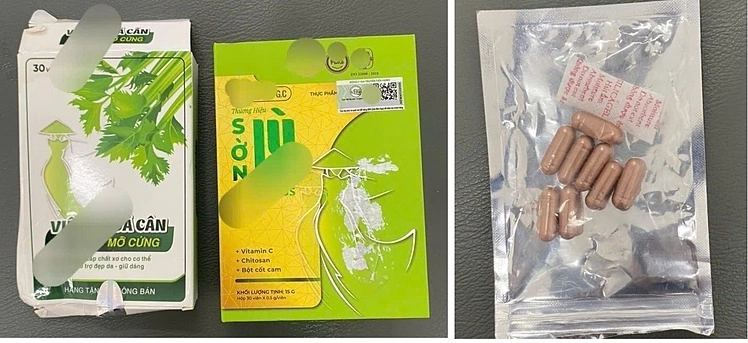 |
A weight-loss product purchased online by a young woman in Quang Ninh led to her hospitalization with severe liver and kidney failure. *Photo: Hospital provided*
Doctor Doan Du Manh
Vietnam Association of Vascular Diseases