Answer:
Calcium plays an essential role throughout pregnancy, supporting the formation of the fetal skeletal and dental systems, aiding muscle and nerve function, and maintaining the mother's calcium reserves. A deficiency can cause the body to prioritize drawing calcium from the mother's bones to supply the fetus. This may lead to maternal osteoporosis, back pain, or cramps. Low calcium levels can also increase the risk of pre-eclampsia, premature birth, delayed fetal development, congenital rickets, or bone deformities.
Calcium needs gradually increase with each stage of pregnancy. During the first trimester, pregnant mothers require about 800 mg daily, primarily obtained through calcium-rich foods such as milk and dairy products (yogurt, cheese), shrimp, crab, fish, eggs, tofu, and green vegetables. If severe morning sickness prevents adequate food intake, a doctor may prescribe calcium supplements in appropriate amounts.
The second trimester is a period of rapid fetal skeletal development, increasing the pregnant mother's calcium needs to 1,000 mg daily. Mothers should consider starting mineral supplementation from around weeks 14-20 of pregnancy. By the third trimester, calcium requirements rise to 1,500 mg daily to ensure the fetus's skeletal structure stabilizes before birth.
 |
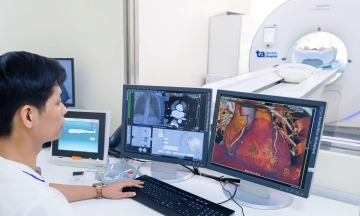
Master, Doctor Nguyen Phuong Thao advises pregnant mothers. Illustration: Tam Anh General Clinic District 7. |
Master, Doctor Nguyen Phuong Thao advises pregnant mothers. Illustration: Tam Anh General Clinic District 7.
Diet alone often does not meet these calcium requirements because calcium in food is in a raw form and requires stomach acid to dissolve. On average, the body absorbs only about 20-30% of the calcium consumed through food.
Pregnant women should take calcium and vitamin D3 supplements as directed by a doctor. The best time to take calcium is about one hour after breakfast. Avoid taking it in the evening, as it can easily cause deposits in the kidneys, potentially leading to kidney stones and insomnia. Do not take calcium simultaneously with iron, as calcium hinders iron absorption; they should be taken at least two hours apart. You should also drink about 2-2.5 liters of water daily to reduce the risk of kidney stones and constipation related to calcium deposits.
Master, Doctor Nguyen Phuong Thao
Fetal Medicine Unit
Tam Anh General Clinic District 7
| Readers can submit questions about obstetrics and gynecology here for doctors to answer |