


The World Health Organization (WHO) stated that the new outbreak, caused by the Bundibugyo virus strain, though not yet a pandemic, poses a high risk of cross-border spread to neighboring countries of Congo, Reuters reported.
As of 16/5, WHO statistics reported 246 suspected cases, 8 laboratory-confirmed cases, and 80 suspected Ebola deaths in Congo's Ituri province. The disease has spread to at least three areas: Bunia, Rwampara, and Mongbwalu. Patients experienced symptoms such as fever, body aches, weakness, vomiting, and in some instances, hemorrhage. Many patients rapidly deteriorated and died.
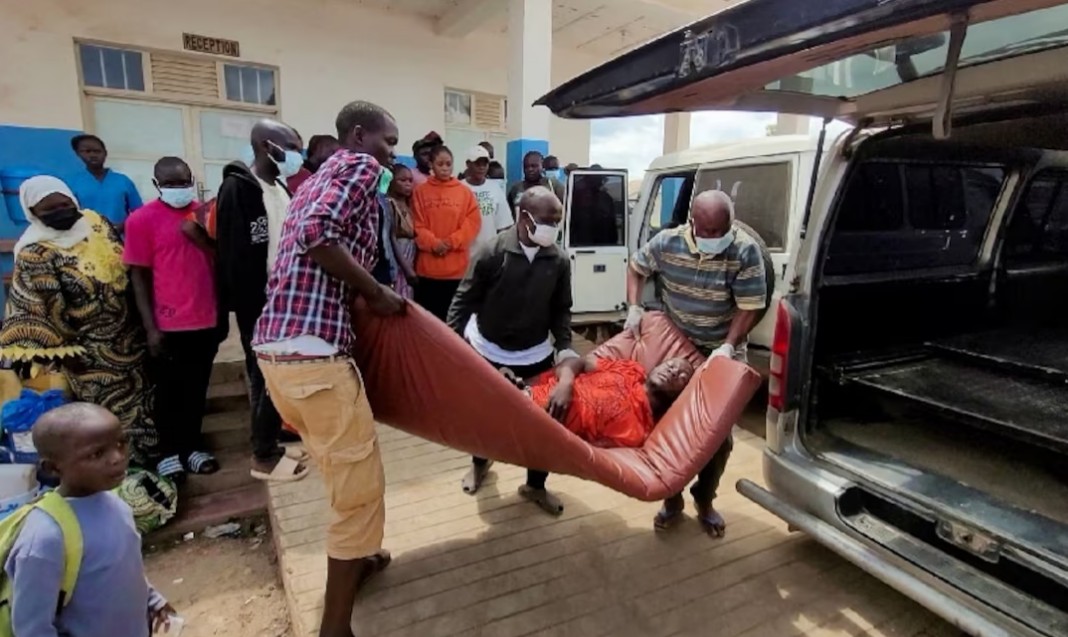 |
A man is assisted from an ambulance upon arrival at Bunia General Hospital on 16/5, following the confirmation of the Bundibugyo Ebola strain outbreak in Bunia, Ituri province, Congo. *Photo: Reuters* |
WHO believes the actual scale of this outbreak may be significantly larger than current reported figures. The organization issued the warning due to a high positivity rate from initial samples and a rising number of suspected cases.
The agency stated that the outbreak in Congo and Uganda threatens the public health of other nations, with confirmed cross-border transmission cases already reported.
In Uganda's capital, Kampala, two laboratory-confirmed cases, including one fatality, were recorded on 15/5 and 16/5. Notably, both patients had traveled from Congo and reportedly had no prior contact with each other.
Kinshasa, Congo's capital, also reported a patient who returned from the Ituri outbreak zone.
This marks the 17th Ebola outbreak in Congo since the virus's initial detection in 1976 in Yambuku, Equateur province. The nation's most recent outbreak concluded in 12/2025.
Previous outbreaks were typically caused by the Ebola-Zaire strain, for which a vaccine is available. However, this new outbreak is "unusual" and dangerous because no specific treatments or vaccines are currently approved for the Bundibugyo virus strain.
Historically, this strain caused two outbreaks globally, in 2007 and 2012.
In response, WHO advised countries to immediately activate national disaster and emergency management mechanisms and implement medical screening at border crossings and major domestic transportation routes.
A WHO delegation deployed to Ituri to assist provincial authorities with epidemiological investigations. 5 tons of aid from Kinshasa are being transported to Bunia, Ituri province, to support frontline health workers and treatment facilities. This aid includes: infection prevention and control supplies, laboratory sample transport equipment, case management supplies, tents, and other essential items.
Regarding travel, confirmed cases and close contacts of Bundibugyo Ebola patients are strongly advised against international travel, except for special medical evacuation procedures.
WHO proposes immediate isolation for confirmed cases and daily health monitoring for close contacts. The organization also recommends restricting domestic travel and prohibiting international travel for 21 days from the last exposure.
Despite these measures, the United Nations health agency advises against closing borders or restricting travel and trade due solely to panic. Such prohibitive actions could backfire, leading people and goods to use uncontrolled, informal border crossings, which authorities cannot monitor or medically supervise.
Ebola is a severe, often fatal, infectious disease. It transmits through direct contact with the blood, secretions, organs, or other body fluids of infected individuals, as well as contaminated surfaces and objects. Early detection, supportive treatment, and prompt public health measures significantly improve survival rates and are crucial in breaking the transmission chain.
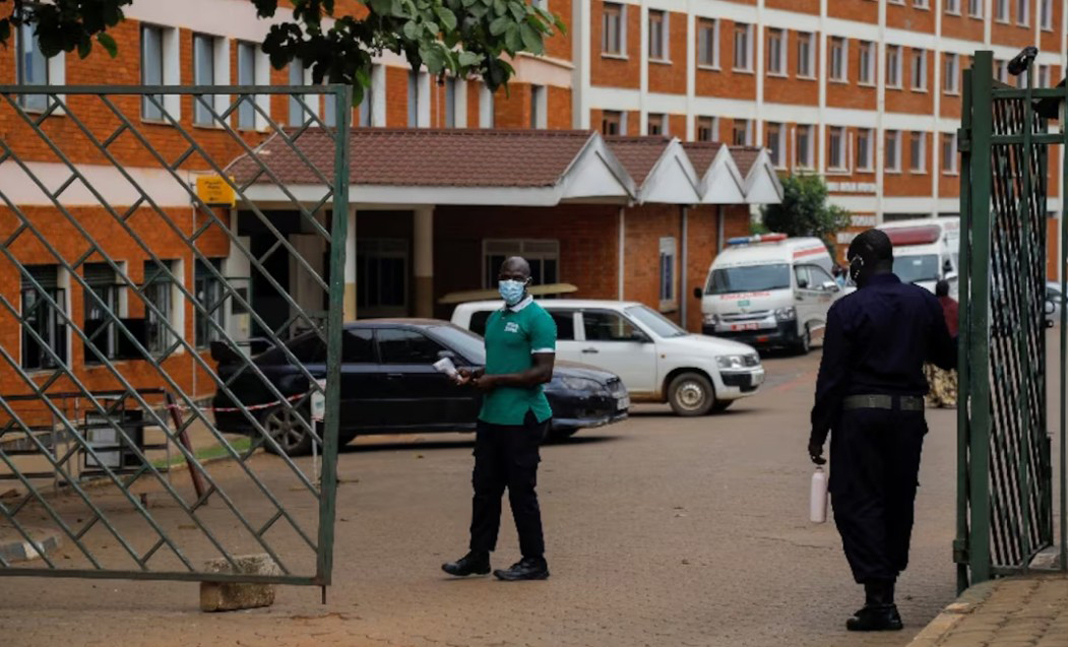 |
Security personnel stand guard at the Kibuli Muslim Hospital gate in suburban Kampala, Uganda, on 16/5, following the death of a Congolese man from Bundibugyo Ebola virus. *Photo: Reuters* |
*Binh Minh* (Reuters, WHO)


