High blood fat, also known as dyslipidemia, often progresses silently for many years, forming atherosclerotic plaques without clear symptoms until it causes ischemia, myocardial infarction, or stroke. The condition is usually discovered incidentally during a health check-up or when complications arise.
Master, Doctor Doan Vinh Binh, from the Medical Information Center at Tam Anh General Hospital, TP HCM, advises individuals with high blood fat to maintain a healthy lifestyle, exercise regularly, avoid alcohol and tobacco, and adhere to a balanced diet. Limiting fats and sweets, and increasing green vegetables and certain fruits, can help control cholesterol and protect cardiovascular health.
Apples are rich in pectin, a type of soluble fiber that binds cholesterol in the intestines and helps excrete it, contributing to reduced blood cholesterol and preventing atherosclerotic plaques. Apples also contain antioxidants like quercetin and catechin, which help reduce inflammation, decrease oxidative stress, and fight blood vessel damage.
Grapefruit contains pectin and vitamin C, which can help lower ldl-cholesterol and increase hdl-cholesterol. Its high fiber and water content promote a feeling of fullness, reducing cravings and indirectly supporting weight management, a factor in controlling blood fat.
Bananas are rich in potassium, which helps regulate blood pressure and reduce pressure on blood vessel walls. They also contain magnesium, soluble fiber, and resistant starch, contributing to stable blood sugar, reduced bad cholesterol, and decreased plaque buildup in arteries.
Avocado contains approximately 14,7 g of monounsaturated fat per 100 g, which helps lower ldl-cholesterol and increase hdl-cholesterol. Avocados are also rich in fiber, vitamin E, potassium, and folate, which can stabilize blood pressure, act as antioxidants, and maintain blood vessel elasticity.
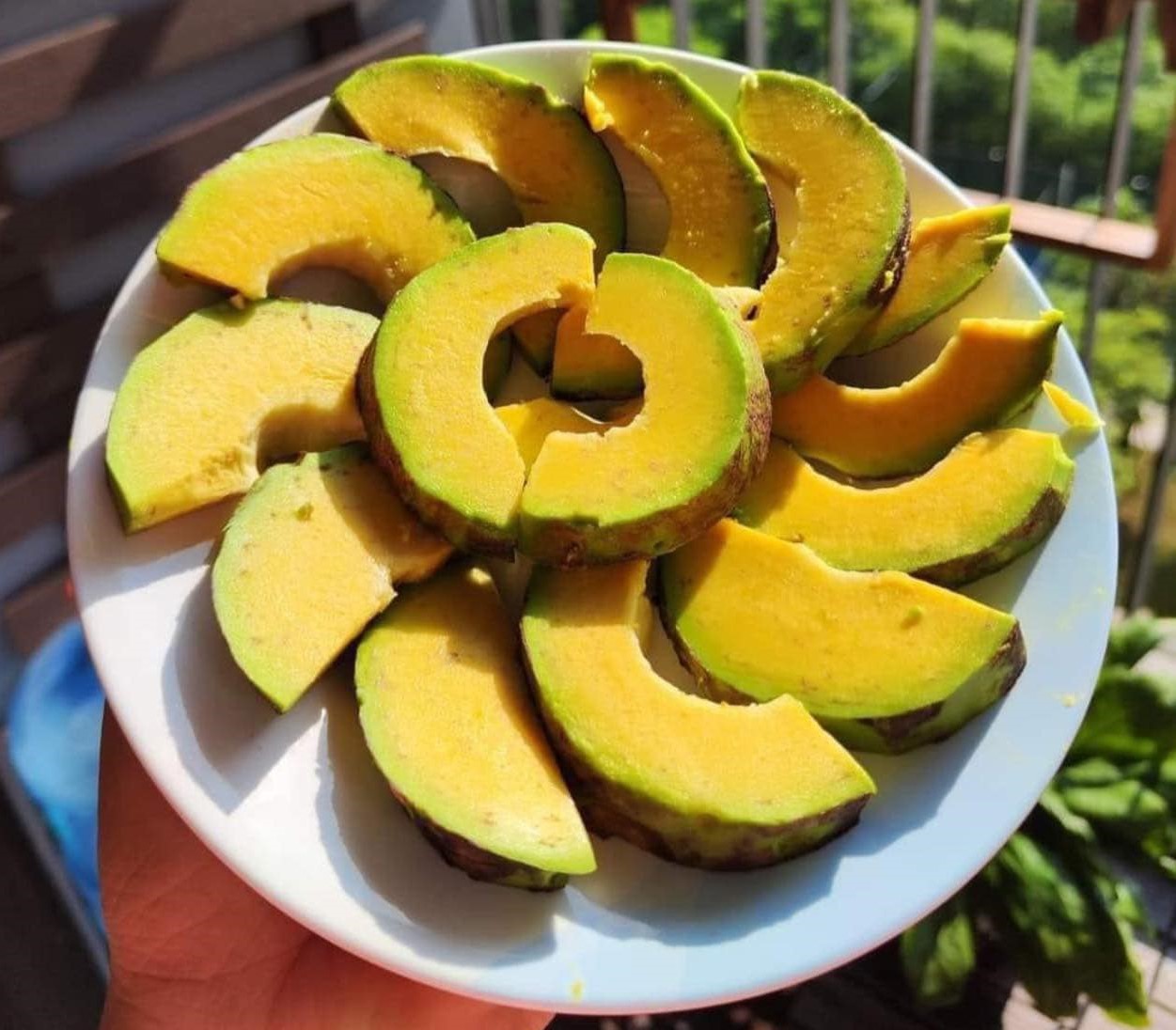 |
Monounsaturated fats in avocado can help reduce blood fat. Photo: Dinh Dieu.
Strawberries are abundant in anthocyanins, powerful antioxidant compounds, as well as fiber and vitamin C, all of which help control blood fat, reduce inflammation, and protect cardiovascular health.
Doctor Binh states that to manage blood fat, patients should undergo regular health check-ups and follow prescribed treatments combined with a healthy lifestyle. Natural extracts like GDL-5 (Policosanol), derived from South American sugarcane wax, can also be supplemented to help regulate blood fat, protect blood vessels, and reduce the risk of cardiovascular disease.
Dinh Dieu
| Readers can submit nutrition questions here for a doctor's response |