Mesotherapy involves using microneedles to deliver medications, therapeutic agents, enzymes, nutrients, and trace elements, along with growth stimulants such as EGF and FGF, directly into the hair follicles of the scalp. Each injection point is typically spaced about one cm apart, with the dosage and depth adjusted according to the specific medical condition and active ingredients. This method provides essential nutrients to the scalp, enhancing blood circulation to the hair roots and stimulating hair growth.
According to Doctor of first-degree specialist Be Thu Thuy from the Department of Aesthetics at Tam Anh General Hospital Hanoi, mesotherapy is a minimally invasive cosmetic procedure. It is generally safe and effective for treating hair loss and baldness. However, complications can arise, including: irritation, swelling, bruising, skin necrosis, infection, or anaphylactic shock. Doctor Thuy advises certain individuals to avoid mesotherapy or postpone treatment to a more appropriate time.
Pregnant or breastfeeding women
During pregnancy, a woman's immune system is often suppressed. Micro-injections on the skin could lead to infection if bleeding occurs, necessitating antibiotics. Such medication may harm both the mother and the fetus.
Breastfeeding women face similar risks. If antibiotics are necessary, the medication can pass into breast milk, potentially affecting infants.
Pregnant and breastfeeding women should avoid this cosmetic procedure, despite its benefits. It is advisable to wait at least 3-6 months after weaning, once hormonal levels have stabilized, before considering mesotherapy. During this period, safer alternatives for managing hair loss include: maintaining a balanced diet rich in iron, zinc, protein, and vitamins B and D, regular scalp massages, and using mild shampoos. For persistent hair loss, a doctor should be consulted to investigate potential hormonal imbalances or micronutrient deficiencies.
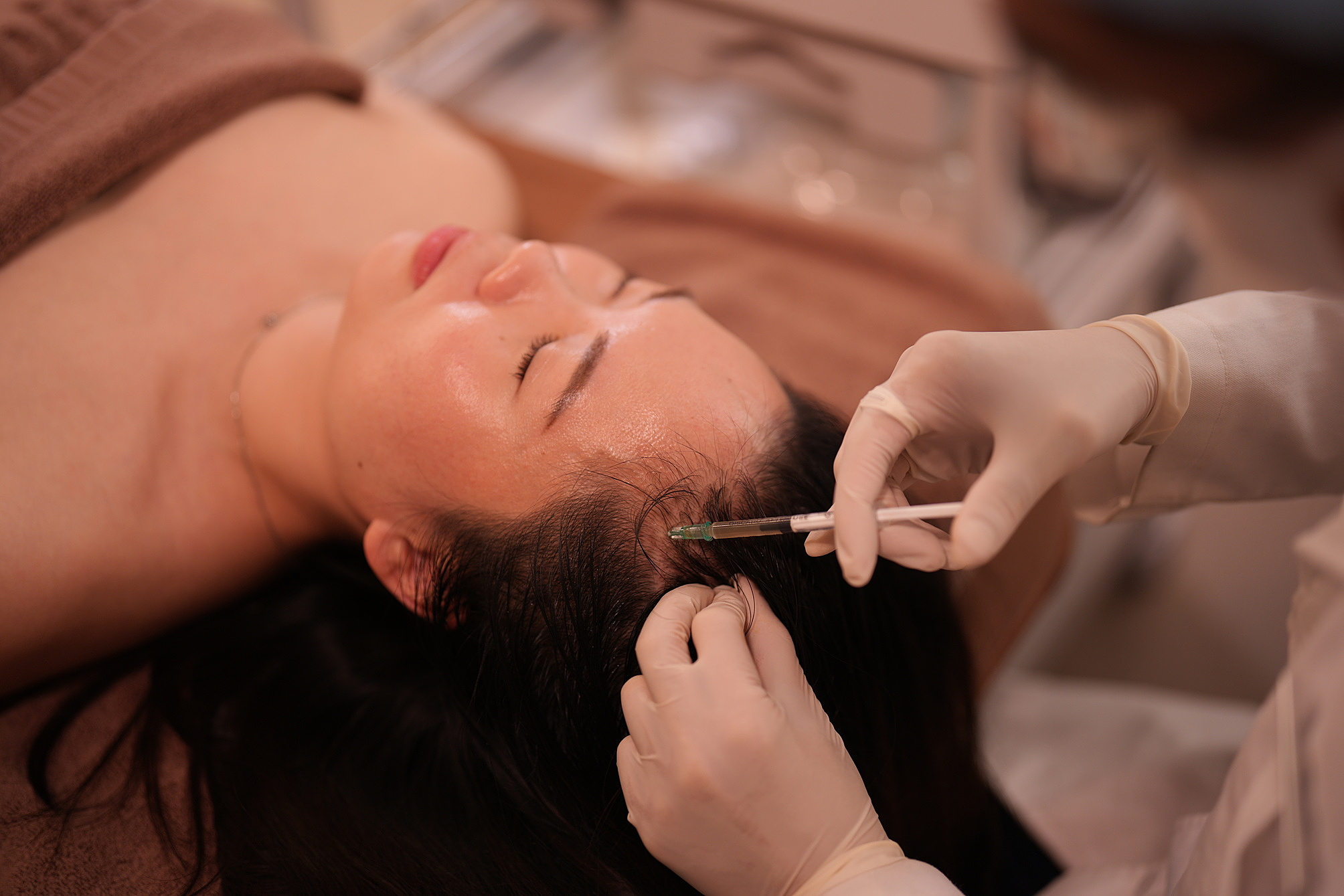 |
A doctor performs mesotherapy for hair loss treatment on a woman. Photo: Tam Anh General Hospital |
A doctor performs mesotherapy for hair loss treatment on a woman. Photo: Tam Anh General Hospital
History of allergies
Mesotherapy involves introducing nutrients into the skin, which can sometimes lead to irritation. Symptoms may include: redness, stinging, tingling sensations, swelling, or even anaphylactic shock. While most mesotherapy ingredients are natural and generally well-tolerated, individuals with sensitive skin or a history of allergies (to medications, chemicals, or food) must inform their doctor. This allows for proper testing and assessment before proceeding with the treatment.
Chronic diseases
Doctor Thuy emphasizes that individuals with chronic conditions, including cardiovascular diseases, insulin-dependent diabetes, a history of cancer, myocardial infarction, or blood clotting disorders, should avoid mesotherapy for hair loss due to a heightened risk of complications.
For patients with insulin-dependent diabetes, impaired microcirculation, suppressed immunity, and delayed wound healing make small needle-induced injuries susceptible to infection, necrosis, or scarring. Blood sugar fluctuations can also intensify inflammatory responses, hindering tissue recovery post-injection. Insulin-dependent diabetes is an absolute contraindication for mesotherapy due to the significant risk of infection and metabolic complications after the procedure.
For individuals with severe cardiovascular conditions, multiple small injections can induce pain, stimulate the sympathetic nervous system, and elevate heart rate and blood pressure. This can lead to hemodynamic disturbances in patients with pre-existing heart issues. Certain active ingredients in the injection solution, such as: vasodilators, caffeine derivatives, or stimulating peptides, may also impact the cardiovascular system, causing palpitations or sudden fluctuations in blood pressure. Patients with cardiovascular disease or insulin-dependent diabetes should defer mesotherapy until their condition is stably managed. They should only proceed under the strict supervision of a dermatologist, in collaboration with an endocrinologist or cardiologist.
Patients with open wounds, inflammation, or infection in the treatment area must achieve complete healing before undergoing mesotherapy. To ensure efficacy and minimize risks, individuals considering mesotherapy should seek consultation at a reputable medical facility. A dermatologist or cosmetic dermatologist can then assess their skin, overall health, and recommend a suitable treatment plan, rather than individuals attempting self-treatment.
Hang Tran