Regular fiber intake
A balanced diet rich in fiber improves digestion, regulates bowel movements, and boosts beneficial bacteria. Adults should aim for 25-30 grams of fiber daily from fruits, vegetables, whole grains, and nuts.
Utilize probiotics and prebiotics
Probiotics are beneficial bacteria living in the gut that aid digestion and strengthen immunity. Prebiotics are indigestible fibers that act as food for these beneficial bacteria, helping them grow and function effectively. Supplementing with both helps balance the gut microbiome, reducing bloating, abdominal discomfort, and diarrhea. Adults can get probiotics from yogurt, kimchi, sauerkraut, and miso, and prebiotics from garlic, onions, asparagus, bananas, and oats.
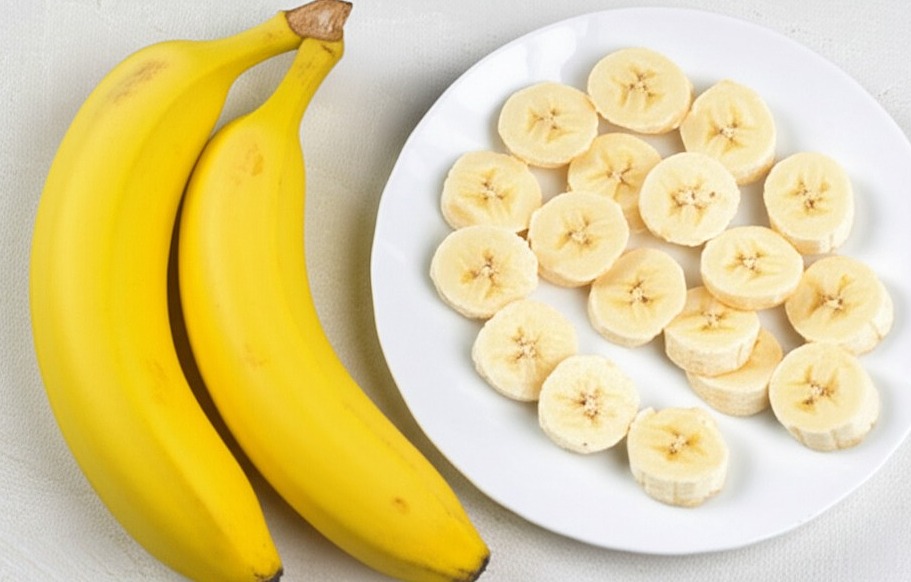 |
Bananas contain natural prebiotics. Photo: Anh Chi |
Practice mindful eating
Mindful eating involves eating slowly and chewing thoroughly to maximize digestive enzymes in saliva, which break down carbohydrates in the mouth and ease the burden on the stomach. This habit supports better digestion and prevents overeating.
Get adequate sleep
Insufficient sleep can worsen digestive issues. During sleep, the digestive system rests, recovers, and regulates hormones that control hunger and fullness. Sleep deprivation often leads to digestive disturbances, so adults should aim for 7-9 hours of sleep each night.
Drink plenty of water
Water acts as a lubricant, helping stool move easily through the intestines and reducing the risk of constipation. Dehydration can lead to hard, dry stools, which may cause bloating. Adequate water intake also regulates the gut microbiome and supports digestion. While daily water needs vary by age, gender, and activity level, most healthy adults should drink about 1.5-2 liters of water daily, including plain water, herbal tea, and juice.
Manage stress
The brain and digestive system are closely linked via the gut-brain axis, meaning stress directly impacts the gut. Chronic stress can disrupt motility, damage the gut lining, imbalance the microbiome, and worsen symptoms like abdominal pain, bloating, constipation, and diarrhea. Reducing stress through activities like reading, listening to music, yoga, meditation, deep breathing, or spending time in nature improves digestion and overall health.
Walk after meals
Regular physical activity promotes healthy digestion. Walking after meals stimulates bowel movements, increases blood circulation, and helps food and waste move more easily, thereby reducing constipation, bloating, and abdominal discomfort.
Limit alcohol and tobacco
Tobacco contains numerous harmful substances that disrupt the gut microbiome, slow digestion, and increase the risk of peptic ulcers and Crohn's disease. Alcohol irritates the stomach, increases acid production, and damages the liver and intestines. Avoiding smoking and excessive alcohol consumption, including passive exposure, helps maintain a healthy digestive system.
Anh Chi (Source: Very Well Health)
| Readers can ask questions about digestive issues here for doctors to answer |