Deep breathing helps transition the body into a state of rest. When experiencing anxiety or stress, the body typically triggers a "fight or flight" response, leading to an elevated heart rate, rapid breathing, and tense muscles. Practicing slow, deep breaths helps to decelerate respiration, fostering a relaxation response that diminishes feelings of restlessness and promotes mental calmness, according to the Times of India.
It also helps control heart rate. Under stress, the heart often beats rapidly and forcefully. If prolonged, this can overwork the heart, potentially causing shortness of breath or dizziness. Slow, deep breathing alleviates stress, allowing the heart rate to stabilize, which in turn reduces nervousness and relaxes the body.
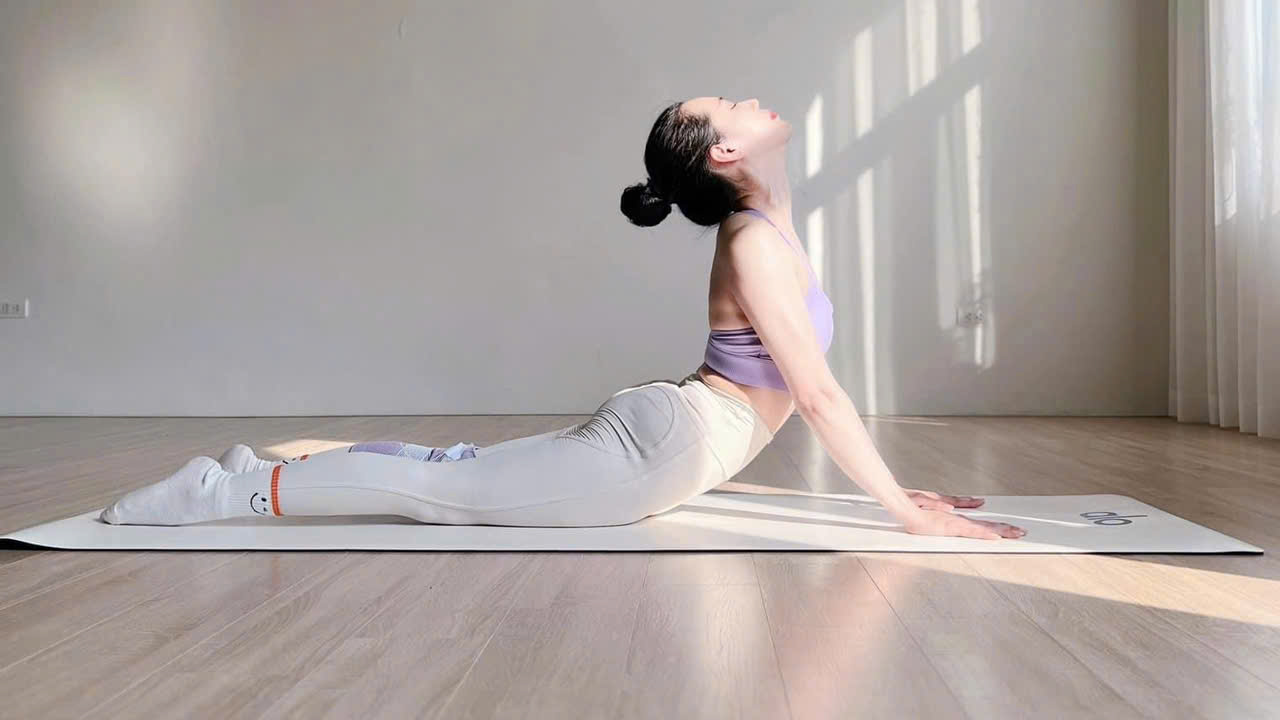 |
Practicing deep breathing in yoga helps relax the mind. Photo: Thuy Linh
Deep breathing can interrupt stressful thought patterns. During anxious periods, the mind often fixates on work, unresolved problems, or negative rumination. Concentrating on your breath redirects attention to the present moment, allowing you to observe each inhale and exhale and notice bodily sensations. This practice lessens the grip of racing thoughts and fosters a sense of tranquility, as reported by Healthline.
It also reduces muscle tension. Persistent stress frequently leads to unconscious tightening of muscles in areas like the shoulders, neck, jaw, or back. Engaging in breathing exercises helps individuals consciously relax their bodies and ease rigid postures. By focusing on the gentle movements of the abdomen or chest, one can identify and alleviate unnoticed muscle tension.
To practice deep breathing effectively, maintain a slow, even rhythm without forcing excessive air intake. Begin by sitting or lying in a comfortable position, ensuring your shoulders and neck are relaxed. Inhale slowly through your nose, feeling your abdomen and chest expand. Then, exhale slowly and gently. Continue this for several minutes, focusing on the movements of your abdomen and chest to prevent rapid breathing. If you experience dizziness, numbness around the mouth, or discomfort, stop and resume your normal breathing pattern. Consistent practice cultivates improved breath control.
Le Nguyen (Compiled)
Readers can send questions about respiratory diseases here for doctors to answer.