Pharmacist Do Xuan Hoa from the Medical Information Center at Tam Anh General Hospital Ho Chi Minh City states that not all cases of skin darkening originate from sun exposure. Any factor that increases melanin production or promotes prolonged oxidative stress can cause the skin to gradually lose its radiance.
Blue light exposure
Prolonged exposure to phone, computer, or television screens can stimulate melanocytes to produce more melanin and increase free radicals. These molecules promote oxidative stress and accelerate skin aging.
While the impact of blue light is not as strong as UV rays, many hours of daily exposure over time can contribute to dull, lackluster skin, particularly in individuals with medium to dark skin tones.
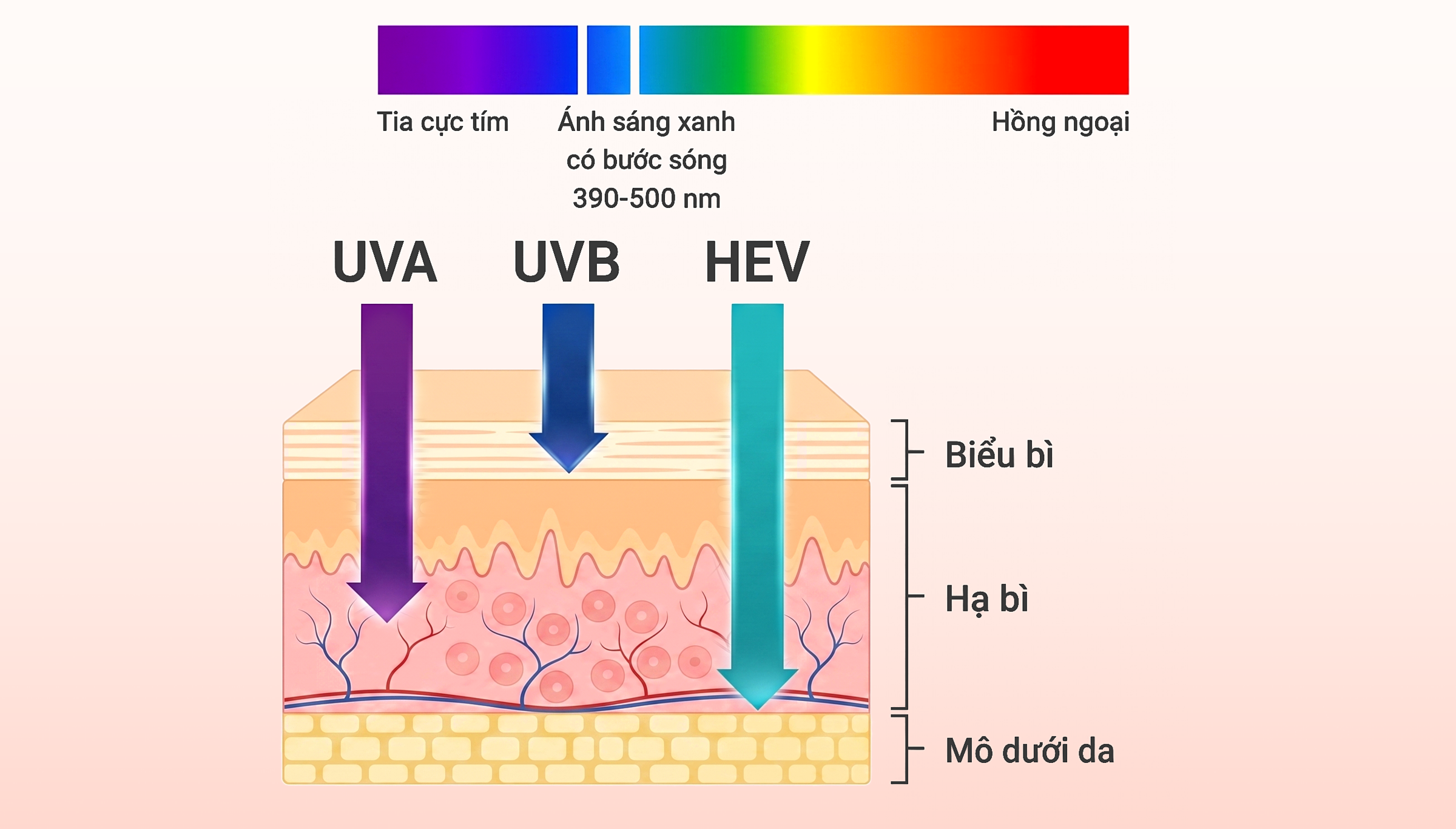 |
Blue light from computer and phone screens can also cause skin to darken and become dull. Photo: Eco Pharmaceutical Joint Stock Company
Hormonal changes
Many women experience melasma or skin darkening postpartum, during pregnancy, or when entering perimenopause. This occurs because hormonal fluctuations make melanocytes more sensitive, increasing melanin production. As individuals age, declining estrogen levels slow collagen and elastin production, causing skin to lose elasticity and age faster.
Dietary habits
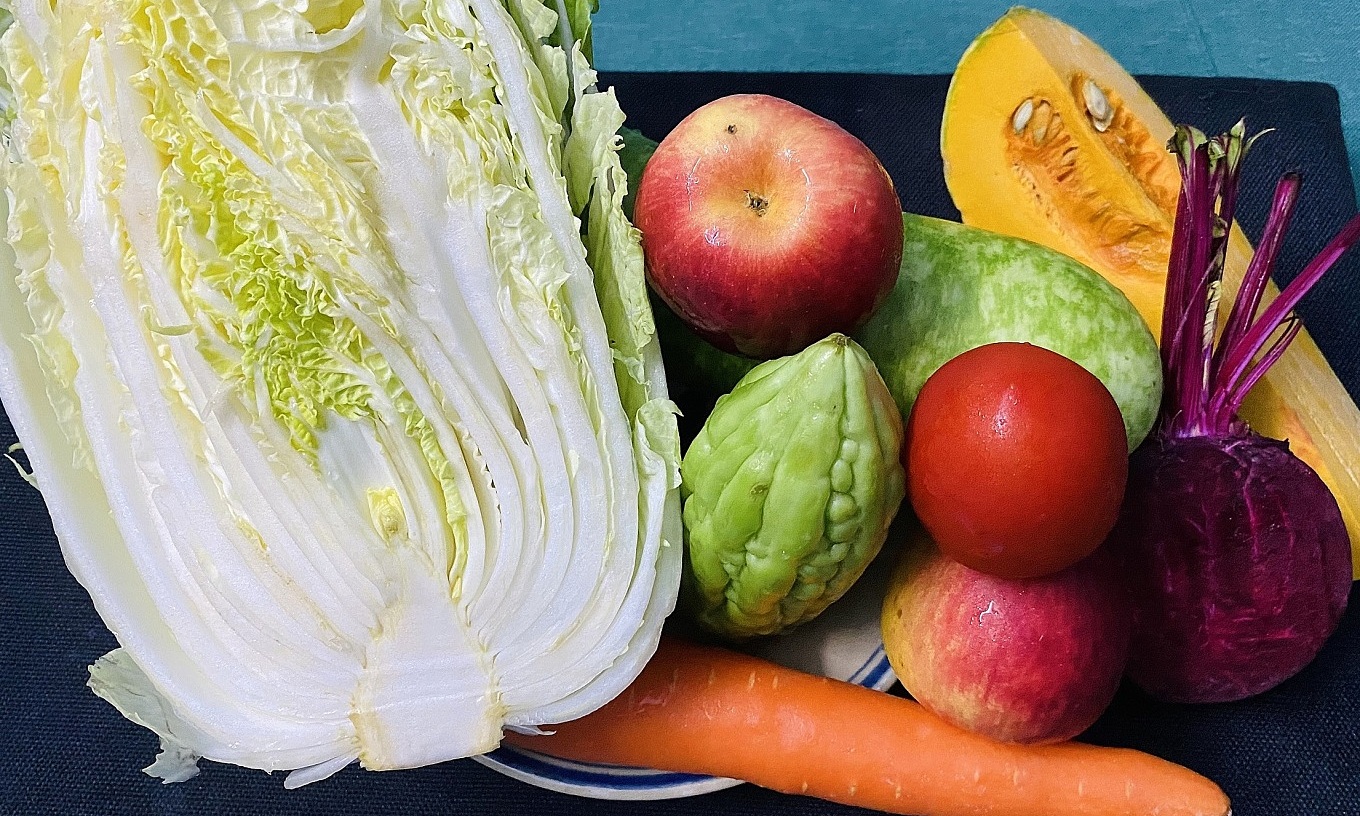
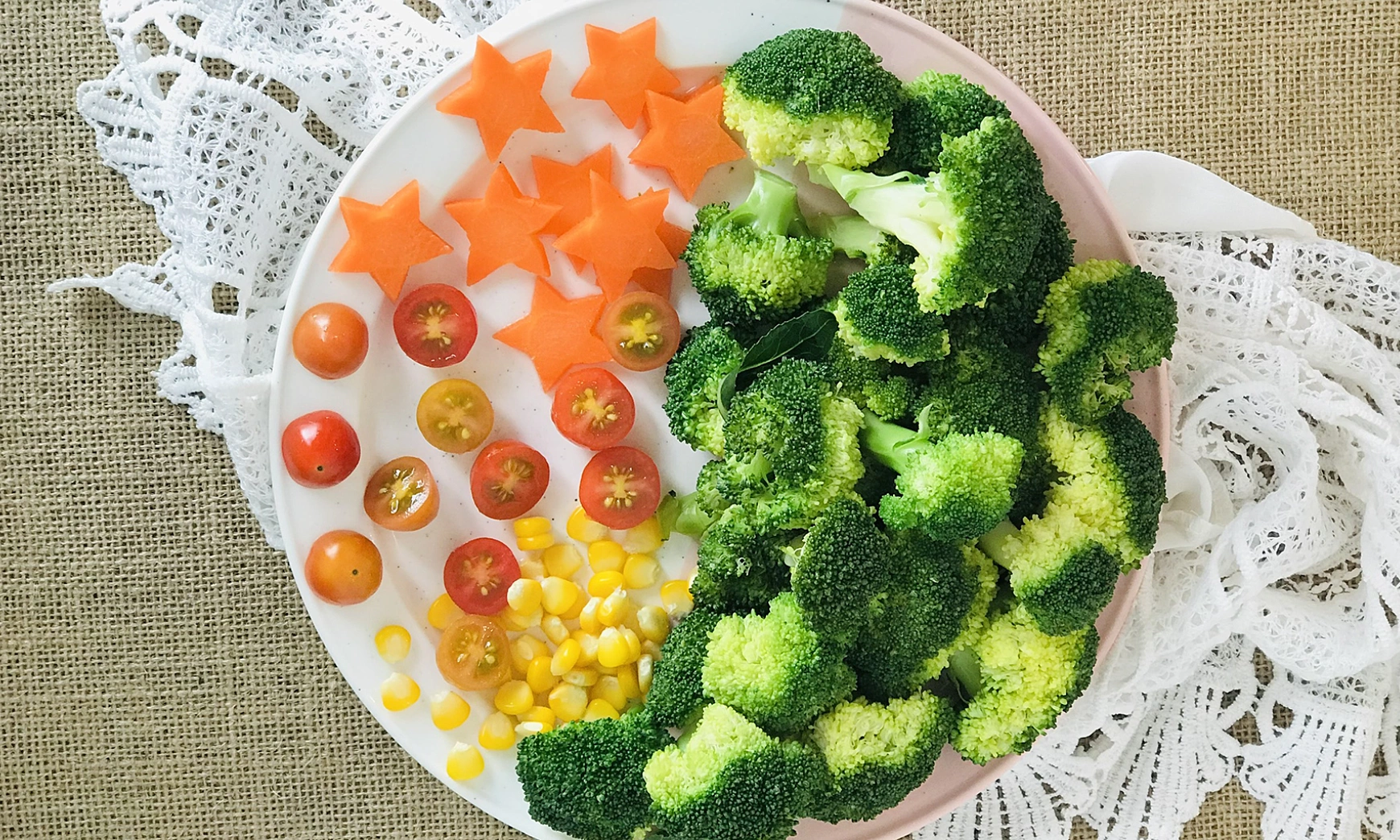
A diet high in refined sugar, processed foods, trans fats, or excessive alcohol consumption can increase oxidative stress and inflammatory responses in the body. This not only stimulates melanin production but also degrades collagen and elastin, leading to a loss of skin elasticity, reduced light reflection, and a dull, lifeless appearance.
Chronic stress
Prolonged stress affects not only mental health but also the skin. When the body is stressed, the hypothalamic-pituitary-adrenal (HPA) axis is activated, increasing cortisol secretion and inflammatory mediators. This can stimulate melanocytes to produce more melanin, heighten oxidative stress, and slow skin recovery, making the skin prone to dullness, faster aging, and prolonged dark spots.
Acne and skin lesions
Inflammatory acne, scratches, or other skin lesions can lead to post-inflammatory hyperpigmentation. According to Pharmacist Hoa, during the skin's self-healing process, melanocytes may be stimulated to produce more melanin to protect the damaged area. If melanin accumulates excessively, the skin after acne or wounds will become darker, and dark spots can persist for many months.
Pharmacist Hoa notes that sun protection remains crucial for limiting the impact of UV rays on the skin. However, to maintain even-toned and healthy skin, individuals should maintain a balanced diet, get adequate sleep, reduce stress, and treat inflammatory skin conditions early. Enhancing supplements with sakura essence, pomegranate extract, l-glutathione, and p. leucotomos supports skin barrier regeneration, helps control melanin formation, reduces dark spots, and slows down the aging process.
Dinh Dieu