Maintaining appropriate physical activity is crucial for managing musculoskeletal conditions. Movement promotes better joint fluid circulation, supporting cartilage nourishment. Conversely, prolonged inactivity can lead to stiffer joints, weakened surrounding muscles, and reduced mobility.
Yoga is a recommended gentle exercise, known for its ability to improve joint flexibility and strengthen muscles. Individuals experiencing musculoskeletal pain can practice yoga, provided they select exercises appropriate for their health and perform them correctly. Stronger muscles reduce the pressure on joint cartilage and subchondral bone during daily activities such as walking, standing, and sitting, thereby alleviating joint pain. Furthermore, yoga can enhance balance and promote relaxation, contributing to better joint pain management.
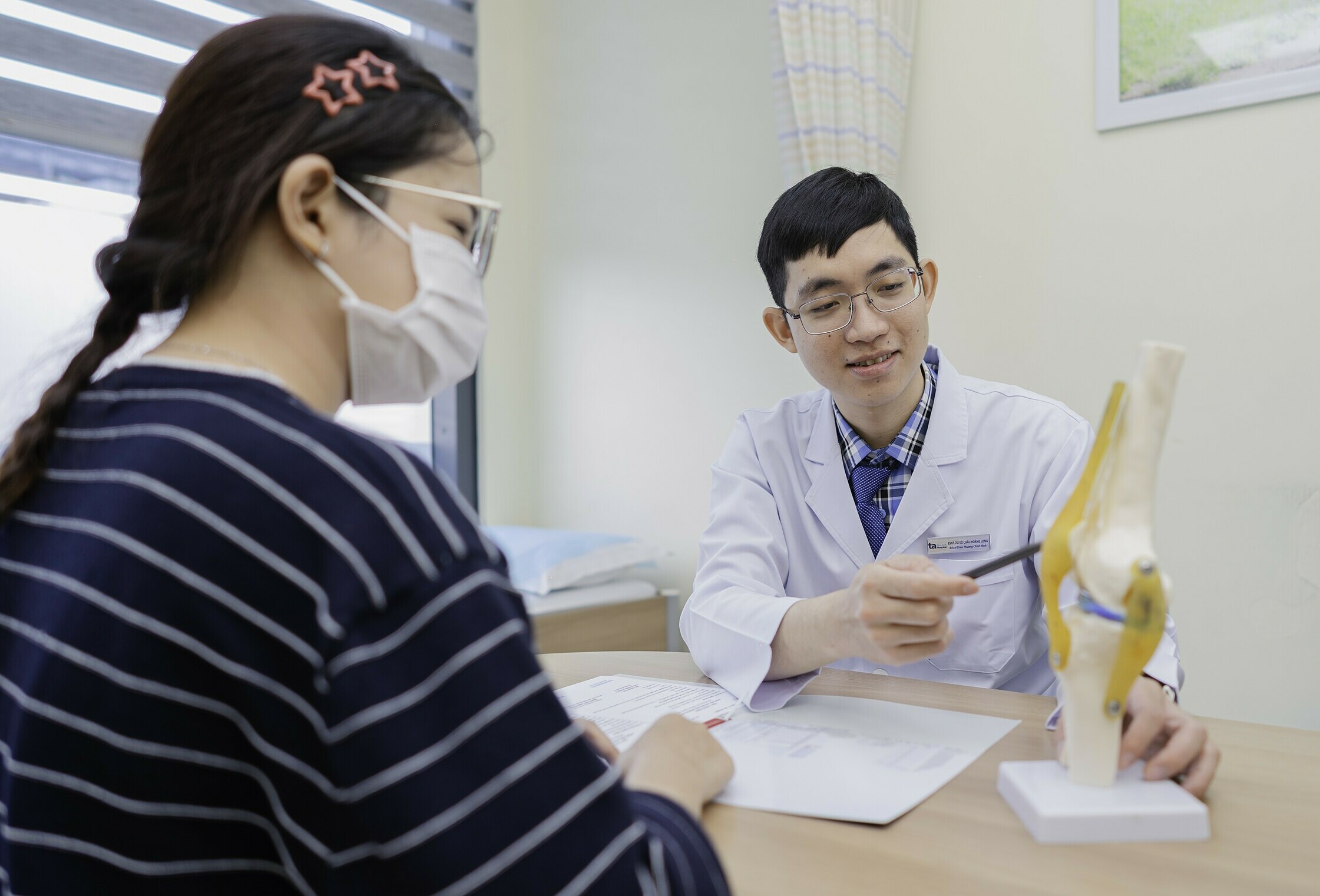 |
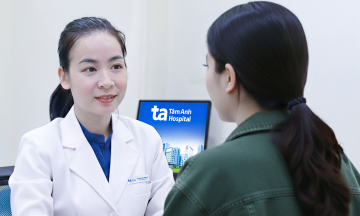
A doctor at Tam Anh General Hospital explains knee joint health to a patient. *Illustration: Provided by the hospital*.
However, yoga is suitable only for certain stages of musculoskeletal conditions. Individuals experiencing severe pain, joint swelling, inflammation, or recent injuries should consult a doctor or rehabilitation specialist before starting.
Initially, it is advisable to practice with a yoga instructor specializing in musculoskeletal rehabilitation. Prioritize gentle movements, avoiding difficult poses or increasing intensity too quickly. If pain significantly increases during or after practice, stop immediately and seek medical evaluation to reassess your condition.
It is important to note that while yoga can help maintain mobility and reduce joint pressure, it does not replace medical treatments. Regular follow-ups and adherence to your doctor's instructions are essential.
Beyond suitable physical activity, a diverse and nutritious diet is recommended to support healthy musculoskeletal function. Supplements containing natural essences such as: undenatured type two collagen, hydrolyzed collagen peptide, eggshell membrane, chondroitin sulfate, and turmeric root can help reduce pain, nourish joint cartilage, and enhance joint durability, flexibility, and resilience.
Doctor Hoang Quyet Tien
Medical Information Center
TP HCM General Hospital