Bowel habits can reflect gut health. Diarrhea, constipation, and frequent bowel movements accompanied by dull abdominal pain may indicate digestive system problems.
Magnesium is an essential mineral, crucial for muscle energy production, bone health, and maintaining a healthy heart. According to Very Well Health, magnesium-rich foods are often recommended for individuals with insomnia to improve sleep and prevent migraines and restless legs syndrome.
However, magnesium supplements or excessive consumption of magnesium-rich foods can impact the digestive tract. Magnesium acts as a laxative, drawing water into the colon. This can increase bowel movement frequency, soften stools, and lead to diarrhea.
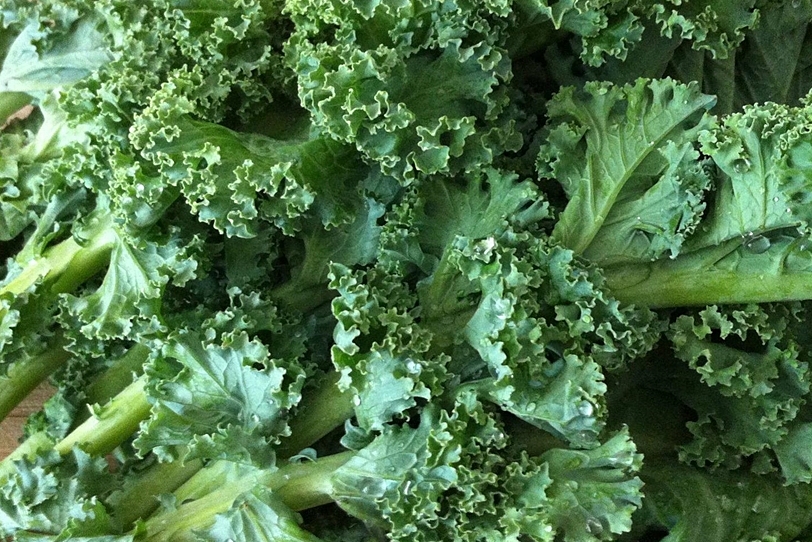 |
Green leafy vegetables like kale are rich in magnesium. Photo: Anh Chi |
Iron can disrupt bowel movements. This mineral helps treat iron deficiency anemia, a condition where low iron levels in the body cause symptoms such as fatigue and dizziness.
However, excessive consumption of iron-rich foods can lead to constipation by slowing bowel movements and hardening stools. When incorporating iron-rich foods like beef and seafood, pair them with fiber and drink plenty of water to mitigate digestive issues.
Zinc is an essential mineral that boosts immunity and aids tissue repair. Foods rich in zinc include seafood, lean beef, lean pork, nuts, and beans. Consuming large quantities of these foods simultaneously can lead to zinc excess, irritating the stomach and intestinal lining. This can result in nausea, vomiting, abdominal cramps, diarrhea, or constipation.
Calcium not only strengthens bones but also supports muscle contraction, nerve transmission, and blood clotting. Many prioritize calcium supplementation for children and the elderly to promote muscle development and address age-related deficiencies. However, a diet high in zinc, combined with low fiber and insufficient water intake, can disrupt digestion. According to Eating Well, calcium itself slows bowel movements, causing stools to move sluggishly through the digestive system, which leads to constipation.
Many believe that increasing fiber-rich foods will alleviate constipation. However, excessive fiber intake without adequate water or other nutrients can actually worsen constipation.
To improve digestion, individuals should eat slowly, chew thoroughly, and avoid holding bowel movements. Regular physical activity is also crucial for smooth digestive function. Exercise stimulates the muscles lining the digestive tract, promoting healthy digestion.
Maintain a diverse diet including protein-rich foods, vegetables, fruits, grains, and healthy fats. Since individual needs vary, consult a nutritionist about appropriate mineral supplementation, especially when considering dietary supplements.
Anh Chi (Compiled)
| Readers can submit questions about digestive issues here for a doctor's response. |