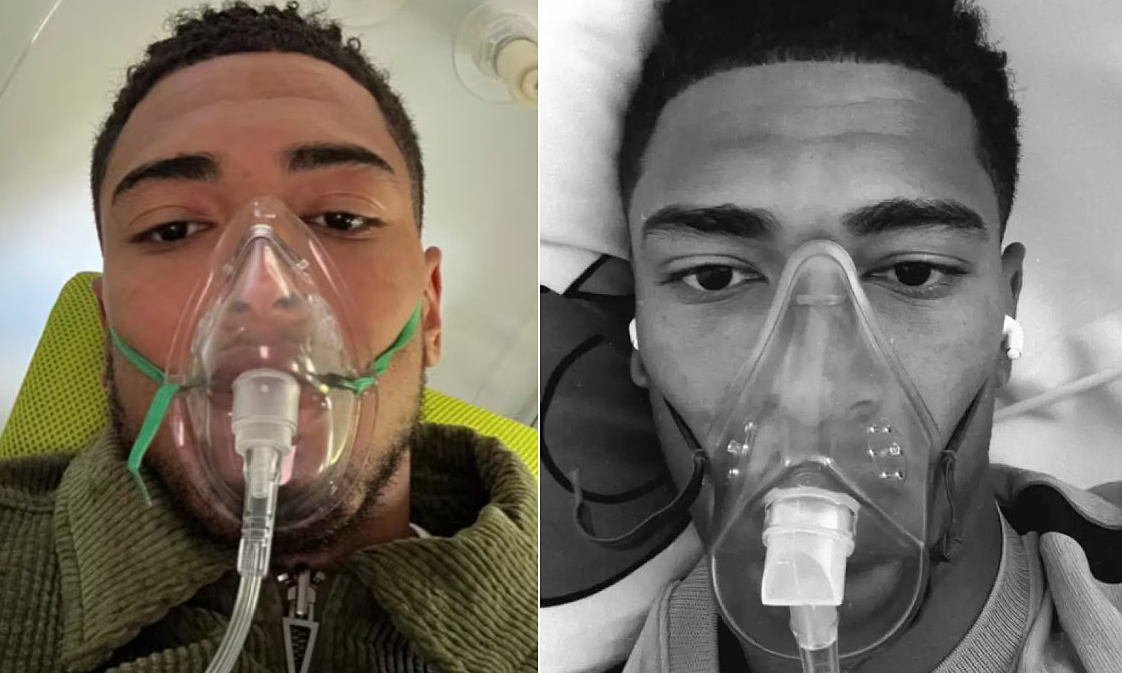
An, measuring 1,68 m and weighing 50 kg, had a weak physique. A general health check-up revealed a hemoglobin (Hb) level of 5,5 g/dL, which is half the normal range. For many years, An had been thin, pale, and tired easily during physical activity. His family attributed this to picky eating and food allergies, so they did not seek medical attention.
Specialist Doctor Level I Nguyen Thi Hanh Trang, Deputy Head of Pediatrics at Tam Anh General Hospital Ho Chi Minh City (HCMC), stated that hemoglobin is a protein in red blood cells responsible for transporting oxygen to organs. For children aged 12-15, normal Hb levels are typically 12-15 g/dL for females and 13-17 g/dL for males. An's level indicated severe anemia.
Dr. Trang prescribed a transfusion of 500 ml of red blood cell concentrate and ordered further specialized tests to find the cause. Endoscopy and biopsy results confirmed An had eosinophilic gastritis. This is a rare, chronic inflammatory gastrointestinal condition characterized by significant eosinophil infiltration in the gastrointestinal epithelium.
Children with this condition often experience hypersensitivity issues such as: asthma, eczema, or allergic rhinitis, or have an allergic predisposition, like An. The disease damages the gastric and duodenal lining, leading to prolonged microscopic blood loss (small, difficult-to-detect blood loss) and poor iron absorption, resulting in severe anemia.
Dr. Trang prescribed iron supplements, medication to treat eosinophilic gastritis, and a suitable diet for An. After 4 days, An's hemoglobin level increased from 5,5 g/dL to 8 g/dL. His skin regained its healthy color, he ate well, his dizziness resolved, and he was discharged.
 |
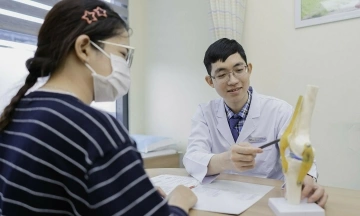
Dr. Trang examines An before discharge. Photo: Tam Anh General Hospital |
Dr. Trang noted that many children with chronic anemia continue to attend school, play sports, and live normally because their bodies gradually adapt to the lack of oxygen. Families often discover it incidentally during health check-ups or when the disease worsens. Prolonged anemia can lead to malnutrition, stunted growth, a weakened immune system, and increased susceptibility to infectious diseases. Without intervention, severe anemia can overwork the heart over time, potentially leading to myocardial hypertrophy, arrhythmias, or heart failure.
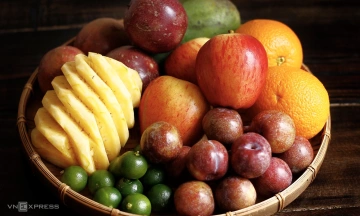
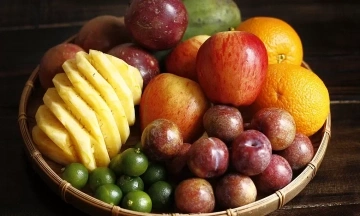
Dr. Trang advised that after treatment, children need a balanced diet, prioritizing iron-rich foods such as: red meat, liver, eggs, fish, legumes, and leafy green vegetables. Combining these with vitamin C-rich fruits like: oranges, tangerines, grapefruits, and strawberries can enhance iron absorption. Micronutrient supplements should be taken as directed by a doctor, and regular health check-ups are important to detect any abnormalities early.
According to the World Health Organization (WHO), iron deficiency anemia is one of the most common nutritional disorders among children globally. In Vietnam, the Ministry of Health states that iron deficiency, anemia, and essential micronutrient deficiencies remain priority nutritional issues for improvement.
Minh Tam
* Patient's name has been changed
| Readers can submit questions about childhood diseases here to be answered by a doctor. |