A recent survey, "Awareness of Fruit and Vegetable Consumption by Diabetic Patients 2026," published by the Chinese Diabetes Education Association, revealed that 75% of patients avoid fruit due to fear of high sugar content. This situation has barely improved over a decade, resulting in an average daily fruit intake for patients of only 0,4 portions, significantly lower than recommended.
Dr. Ly Thuan Quyen, Secretary of the association's executive board, noted that many patients equate sweetness with a rapid rise in blood sugar. This misconception leads diabetics to consume 30% less fruit than their family members. Notably, while 98% of people have heard of the "glycemic index (GI)," 65% admit they do not truly understand its nature.
In reality, many intensely sweet fruits, such as golden kiwi or papaya, have a low to medium GI. Conversely, foods that do not seem sweet, like corn, can cause a rapid blood sugar increase depending on the variety, yet 72% of survey participants are unaware of this. Relying on taste instead of scientific knowledge is pushing patients into a severe deficiency in fiber and vitamin C.
Au Hoang Nghi, President of the Chinese Diabetes Education Association, explained that an extreme reduction in fruit intake increases insulin resistance and inflammatory responses in the body, while also hindering wound healing. This consequence stems from patients being overly concerned about blood sugar fluctuations, neglecting essential nutrients for immune system maintenance.
To manage the condition scientifically, diabetes education expert Ha Minh Hoa recommends that patients adhere to the dietary guidelines from the American Diabetes Association (ADA). Accordingly, patients should consume two portions of whole fresh fruit daily. Instead of abstaining, patients need to prioritize fruits with a low GI, rich in fiber, and high in nutrient density to protect their health sustainably.
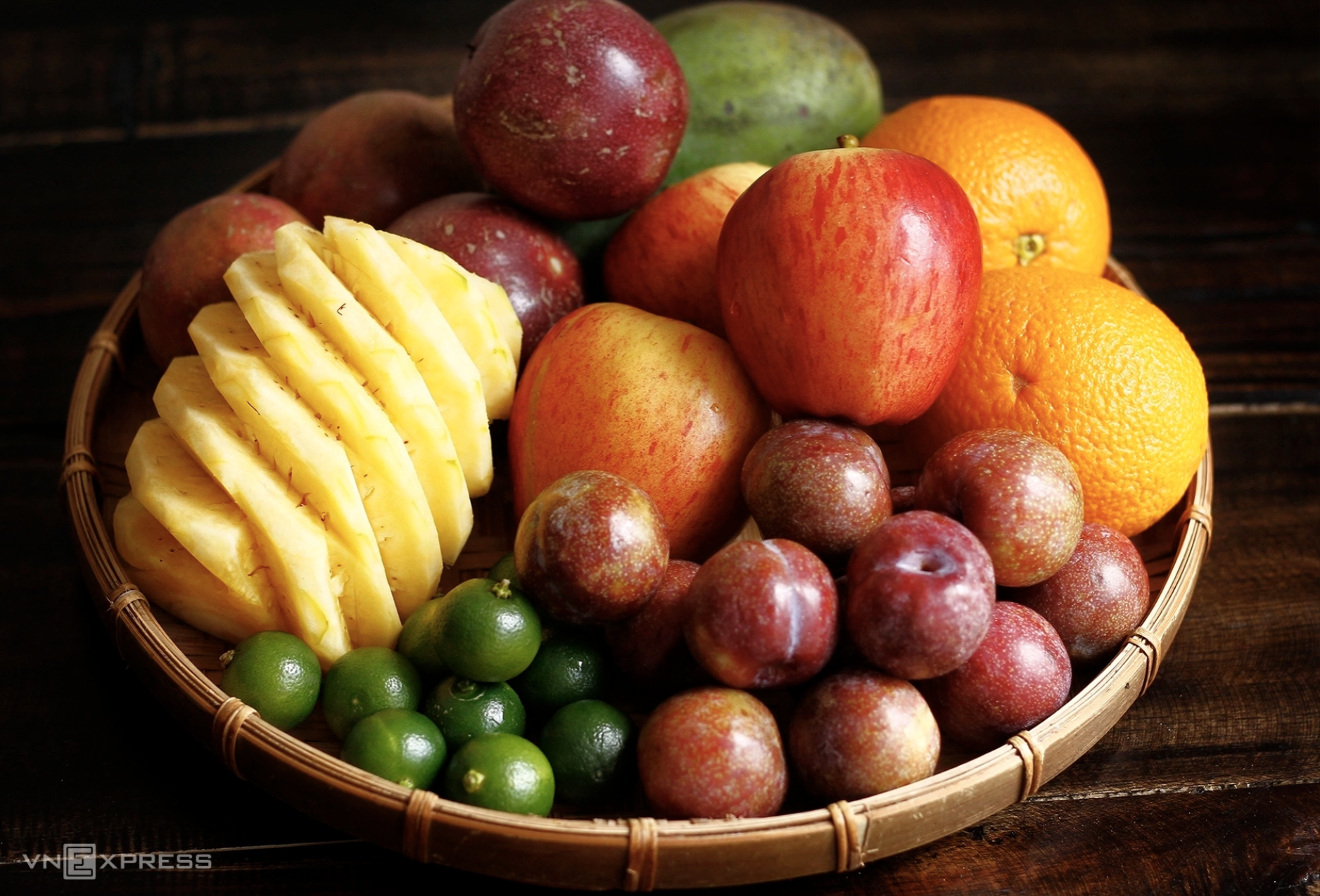 |
Many people avoid fruit due to fear of sweetness, leading to severe nutritional deficiencies and worsening inflammation. Photo: Bui Thuy
My Y (According to SETN)