Many individuals adopt intermittent fasting (IF), an eating method with fixed time frames for normal eating and complete fasting, to manage their weight. During the fasting window, dieters typically consume only water or low-calorie beverages, such as unsweetened tea or black coffee. However, as experienced by Ngoc My, strict adherence to a regimen like the 16:8 method does not always guarantee weight loss and can sometimes lead to weight gain.
The 16:8 regimen involves 16 consecutive hours of fasting followed by an 8-hour window for consuming healthy foods. A common pitfall that can lead to weight gain instead of loss is not controlling the total calorie intake. If two meals are consumed within the 8-hour window, but these meals consist of excessive amounts of high-fat, high-calorie foods, weight loss is unlikely; instead, it can lead to weight gain. To achieve effective results, prioritizing healthy food choices and limiting fast food and sweets is crucial, regardless of whether one is fasting.
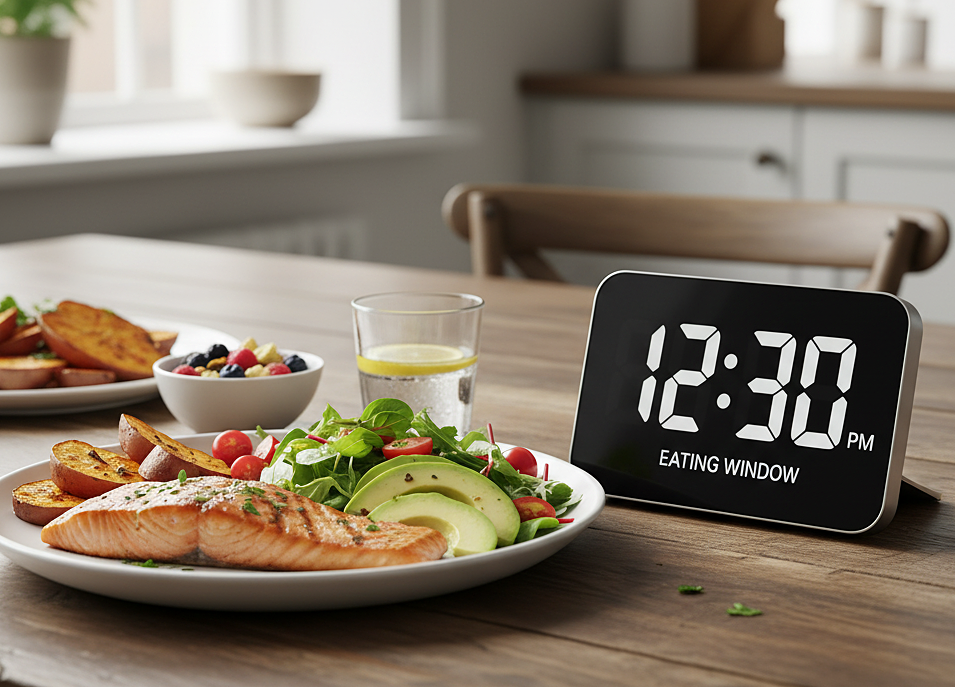 |
Intermittent fasting encourages healthy foods like vegetables and fish. Image created by AI |
Another factor contributing to weight gain can be skipping breakfast during the 16-hour fast. This practice often increases hunger, leading to excessive calorie intake at lunch or overeating unhealthy foods later in the day. Common recommended eating windows for the 16:8 diet are 9 a.m. to 5 p.m., 10 a.m. to 6 p.m., or 12 p.m. to 8 p.m. The intermittent fasting cycle can range from one to two times per week to daily, based on personal preference.
To enhance weight loss effectiveness with the 16:8 diet, individuals should consistently fast within the prescribed hours and select nutritious, balanced foods: protein from meat, fish, legumes, eggs; whole grains; green vegetables; fruits; and healthy fats.
Beyond weight management, intermittent fasting offers several health benefits. These include reducing obesity, balancing blood pressure, lowering blood cholesterol, improving vascular health, and decreasing insulin levels and blood sugar. However, this diet is unsuitable for pregnant or breastfeeding women, individuals with eating disorders, debilitation, kidney disease, or special nutritional needs.
Nutritionist Trinh Ha Nhat Quyen
Endocrinology and Diabetes Unit
Tam Anh General Clinic, District 7
| Readers can submit questions about endocrine diseases here for a doctor's response. |