Perimenopause marks a natural transition before menopause, typically beginning after age 40 as estrogen and progesterone levels decline. This phase can span several years, even up to 10 years, leading to menstrual irregularities, hot flashes, vaginal dryness, and mood changes as ovarian function diminishes. However, some women in their late 30s also experience hot flashes, missed periods, fatigue, or emotional shifts, which may stem from various causes.
**Genetics**
Early perimenopause has a clear genetic component. If your mother, sisters, or direct blood relatives experienced early menopause (especially before 40), your risk of encountering this condition is significantly higher.
**Medical interventions**
Certain medical interventions, such as oophorectomy, chemotherapy, or radiation therapy for cancer, can cause a sudden decline in hormones, leading to early menopause in younger women. Hysterectomy alone does not cause immediate menopause but can accelerate its onset compared to the normal timeline.
**Medical conditions**
Polycystic ovary syndrome (PCOS), obesity, diabetes, and thyroid disorders are common among women. These conditions exacerbate hormonal imbalances, triggering early perimenopausal symptoms.
**Lifestyle stress**
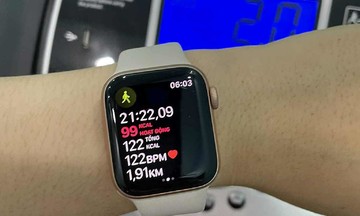
Busy lives, irregular work schedules, insufficient sleep, and a sedentary lifestyle generate stress, causing female hormone imbalance. Stress increases cortisol, disrupting estrogen and progesterone, which leads to symptoms resembling early perimenopause.
**Environmental toxins**
Some chemicals found in plastics, pesticides, and environmental pollution are considered endocrine disruptors, potentially interfering with natural hormone activity. Prolonged exposure may link to menstrual irregularities and reduced ovarian function.
While perimenopause is a natural process, women can mitigate uncomfortable symptoms by maintaining a healthy lifestyle. This includes eating plenty of green vegetables and calcium-rich foods, exercising at least 30 minutes daily, getting enough sleep, managing stress, and avoiding smoking. Women should monitor their menstrual cycles and seek early medical attention for any unusual signs.
Le Nguyen (According to Times of India)
| Readers can submit questions about obstetrics and gynecology here for doctors to answer. |