Answer:
Displaying flowers during Tet is a cherished tradition, but for individuals, especially children, with allergic rhinitis, it can pose challenges. Allergic rhinitis is a condition where the nasal passages become irritated and inflamed, triggered by environmental factors rather than viruses or bacteria. Understanding the triggers and taking preventative measures can help ensure a festive yet symptom-free holiday.
Common triggers for allergic rhinitis include pollen, dust, house mites, animal dander, and insect hairs. Symptoms often manifest as nasal congestion, itching, continuous sneezing, itchy eyes, watery eyes, and a runny nose. Allergic rhinitis is broadly categorized into two types: seasonal, which typically occurs at specific times of the year, and perennial, which can flare up whenever an irritant is encountered.
The presence of Tet flowers indoors can stimulate a child's nasal lining, potentially triggering a flare-up of their allergic rhinitis. Fine pollen from flowers easily disperses in the air, and strongly scented varieties can directly irritate the nose. Furthermore, mold found in the soil of some ornamental plants can also adversely affect a child's mucous membranes.
 |
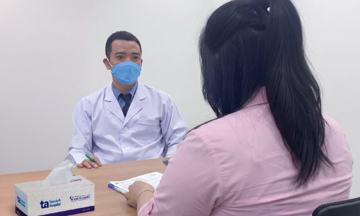
Doctor Huong is advising a parent. Photo: Tam Anh General Hospital. |
To enjoy a festive Tet atmosphere without worsening allergic rhinitis symptoms, consider prioritizing flowers with minimal pollen and scent. Good choices include peach blossoms, apricot blossoms, or some less fragrant orchid types. For children with a history of severe allergies, artificial flowers are a safer alternative. Position flowers in well-ventilated areas like the living room, and avoid placing them in a child's bedroom. Maintain good airflow throughout the house by limiting closed doors. Additionally, change vase water daily, clean flower stems, and avoid overcrowding enclosed spaces with too many flowers.
Daily care is essential for managing symptoms. Rinse your child's nose with saline solution two times a day to remove allergens, dust, and mucus. If your child is currently prescribed medication for allergic rhinitis, such as nasal sprays or antihistamines, ensure you have an adequate supply for the entire Tet holiday. Administer all medications as directed by a doctor, and do not stop treatment prematurely, even if symptoms appear to improve.
If, despite these precautions, your child experiences continuous sneezing, severe nasal congestion, or prolonged nighttime coughing after flowers are displayed, adults should remove the flowers, rinse the child's nose multiple times, and seek consultation with an ear, nose, and throat specialist if symptoms persist.
Dr. Nguyen Thi Huong
Ear, Nose, and Throat Center
Tam Anh General Hospital, Ho Chi Minh City
| Readers can submit questions about ear, nose, and throat conditions here for doctors to answer. |