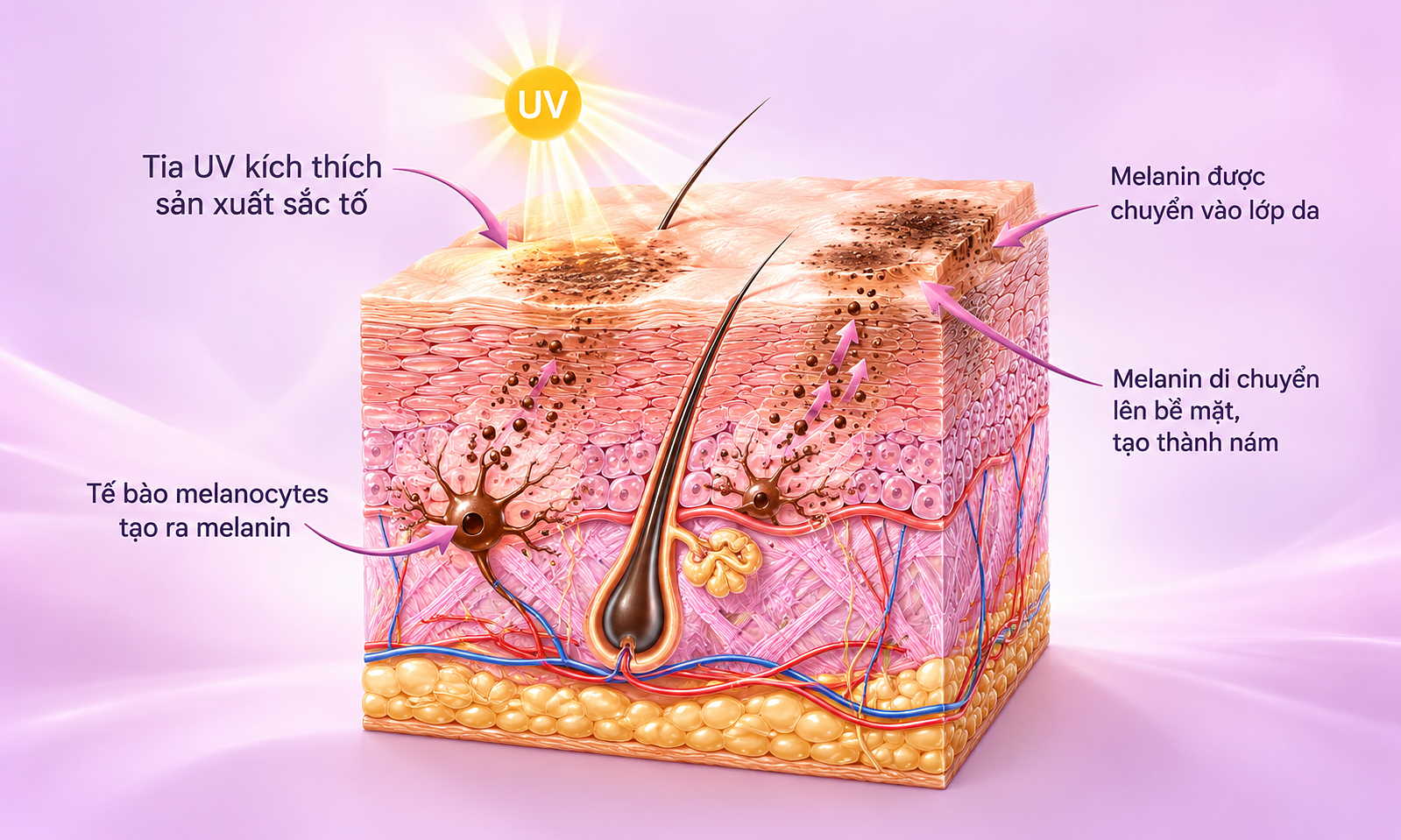
Many people only notice bruises on their arms and legs when changing clothes or bathing, without recalling any specific impact. Beneath the skin are numerous small capillaries, which are easily damaged by impact. The force of an impact can rupture these blood vessels, causing blood to leak into surrounding tissues and form a bruise, even if the skin is not broken. Bruises typically change color from red and purplish-blue to green and yellow, then gradually fade as the body reabsorbs the blood. The severity of a bruise depends on the force of the impact, the location of the injury, and the body's ability to protect itself and stop bleeding.
Age-related vulnerability of blood vessels
According to Mayo Clinic, older adults are often more prone to bruising because their skin gradually thins and loses some of the protective fatty layer that cushions blood vessels from impacts. Supporting tissues for blood vessels also change with age, making minor impacts more likely to cause damage.
Bruises commonly appear on forearms, hands, and lower legs, areas with less protective fatty tissue or those frequently exposed to impacts with objects. In older adults, bruises can be larger than expected for the impact and take longer to fade.
 |
Knee bruises can form when small blood vessels beneath the skin are damaged by impact. *Illustration: AI* |
Certain medications
Anticoagulants and antiplatelet medications can make blood clot less easily, prolonging bleeding from small blood vessels and leading to more noticeable bruises. Some nonsteroidal anti-inflammatory drugs (NSAIDs) can also affect platelet function. Additionally, certain antidepressants can alter platelet activity, while prolonged use of corticosteroids can thin the skin, making it more vulnerable to injury.
If you notice increased bruising after starting a new medication or supplement, discuss it with your doctor to assess risks and potential drug interactions. Do not stop anticoagulants, cardiovascular medications, or chronic disease treatments without medical advice, as this can increase the risk of complications.
Nutritional deficiencies
Vitamin C is essential for collagen synthesis, a key component that maintains the structure and strength of skin and blood vessel walls. Severe vitamin C deficiency can make blood vessels fragile, leading to bruising, bleeding gums, and slow wound healing.
Vitamin K plays a role in blood clotting. When the body lacks this vitamin, its ability to stop bleeding can be impaired. However, deficiencies in vitamin C or K severe enough to cause bruising are uncommon in individuals with a balanced diet.
Iron deficiency should also be considered if bruising is accompanied by pale skin, fatigue, or shortness of breath. However, iron deficiency is not a common direct cause of bruising in everyone. This condition can be linked to thrombocytopenia (low platelet count) in some cases.
Individuals who bruise frequently should not self-medicate with vitamins or iron based on assumptions of nutrient deficiency. Medical examination and necessary tests help identify the cause, preventing inappropriate supplementation.
Platelet and blood clotting disorders
Platelets are blood components that help form a plug to stop bleeding when blood vessels are damaged. If platelet count is low or platelet function is abnormal, the body may struggle to control bleeding, making bruises appear more easily.
Some genetic conditions, such as von Willebrand disease and hemophilia, also affect blood clotting ability. Individuals with these conditions may experience extensive bruising, prolonged nosebleeds, extended bleeding after minor cuts, or abnormally heavy menstrual periods.
Furthermore, certain liver diseases, autoimmune conditions, and disorders affecting bone marrow can impact platelet count or clotting factors.
For bruises resulting from minor impacts, applying a cold compress wrapped in a cloth for about 15-20 minutes at a time, especially during the first one or two days, can reduce swelling and limit further blood leakage. Most bruises will fade naturally within one to two weeks, depending on their size and severity. If a bruise grows larger, causes severe pain, becomes tense and swollen, or restricts movement, medical attention should be sought instead of waiting for it to heal on its own.
Bao Bao (Compiled)