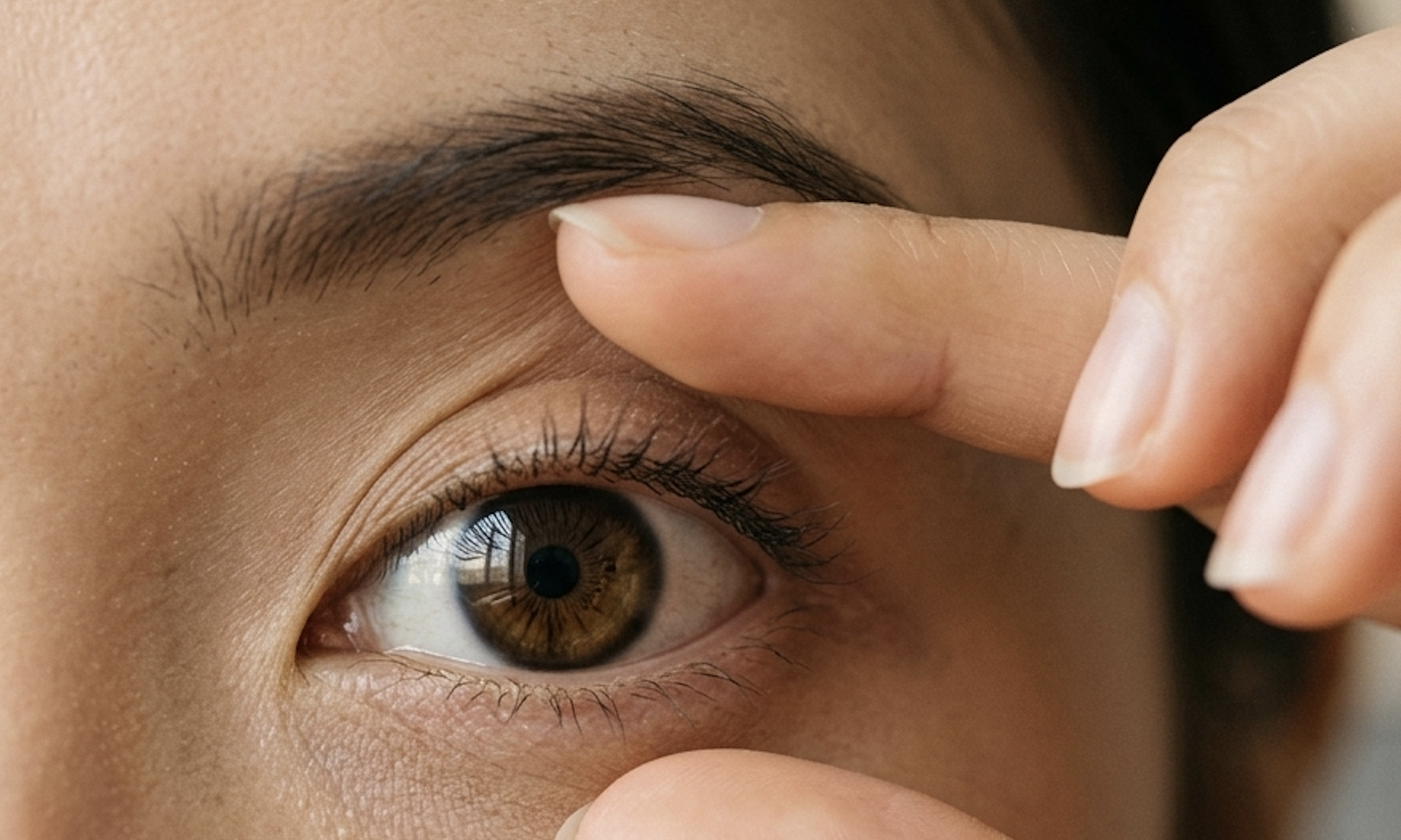
Hemifacial spasm is an involuntary contraction of muscles on one side of the face, often caused by blood vessels compressing the facial nerve (7th cranial nerve). According to Health, doctors may order magnetic resonance imaging (MRI) to identify the cause and rule out other lesions. Depending on the condition, patients may receive botox injections to reduce spasms or undergo microvascular decompression surgery when indicated.
Parkinson's disease is a neurodegenerative condition linked to the decline of dopamine-producing cells in the brain. The disease typically progresses over time, causing symptoms like slow movement, resting tremors, muscle rigidity, and difficulty with balance. Some patients also experience sleep, mood, or memory problems, according to the U.S. National Institute of Neurological Disorders and Stroke (NINDS).
 |
Parkinson's patients prescribed medication must strictly follow doctor's instructions. Photo: Anh Chi |
Focal seizures can cause muscle twitching in a specific body area, including facial spasms or automatic movements like chewing and lip-smacking. Some seizures impair consciousness, making patients unresponsive to their surroundings. Hypoglycemia can also cause seizures, but it is a separate cause and not a characteristic symptom of focal seizures.
Alcoholic neuropathy occurs when peripheral nerves are damaged by prolonged heavy alcohol consumption, often coupled with nutritional deficiencies. According to Verywell Health, common symptoms include numbness, tingling, burning pain, muscle weakness, or cramps in the limbs. Some cases may involve lip and eyelid twitching. Individuals who consume heavy alcohol for extended periods should consult a doctor for guidance on safe alcohol withdrawal, as abrupt cessation can lead to severe withdrawal syndrome, including seizures.
Stress can exacerbate muscle twitching, including in the face and lips. Practices such as meditation, yoga, deep breathing, or muscle relaxation can help reduce stress and limit symptom triggers. However, if twitching persists or recurs, patients should seek medical attention to identify the cause instead of assuming it is a psychological reaction.
Facial nerve palsy, or Bell's palsy, involves weakness or paralysis of muscles on one side of the face, leading to a mouth droop, difficulty smiling, or inability to close one eye completely. Some cases may relate to the reactivation of the herpes simplex virus. However, the exact cause of Bell's palsy is not fully understood.
Beyond neurological conditions, lip twitching can be related to stress, fatigue, high caffeine intake, or side effects of certain medications. Electrolyte imbalance can also cause neuromuscular symptoms. If lip twitching persists, recurs, or affects daily life, patients should consult a doctor. If sudden facial drooping, weakness or numbness on one side of the face or limbs, or difficulty speaking occurs, seek immediate emergency care, as these could be signs of a stroke.
Anh Chi (Compiled)
| Readers can submit questions about neurological conditions here for a doctor's response. |