The woman, approximately 5 weeks pregnant with an unplanned pregnancy, visited a private clinic where she was prescribed abortion pills. She took the medication home, and within hours, she experienced heavy bleeding, leading to exhaustion, cold extremities, nausea, and diarrhea. She was then rushed to the National Hospital for Tropical Diseases for emergency treatment.
On 13/1, Doctor Nguyen Thi Thu Ha, Head of the Obstetrics Department at the National Hospital for Tropical Diseases, reported that the patient suffered from hemorrhage, hypovolemic shock, shortness of breath, and incontinence. Doctors immediately resuscitated the patient, performing an emergency blood transfusion and uterine aspiration to remove retained fetal tissue. Following the intervention, her hemodynamic status gradually stabilized, bleeding was controlled, and the patient was out of danger.
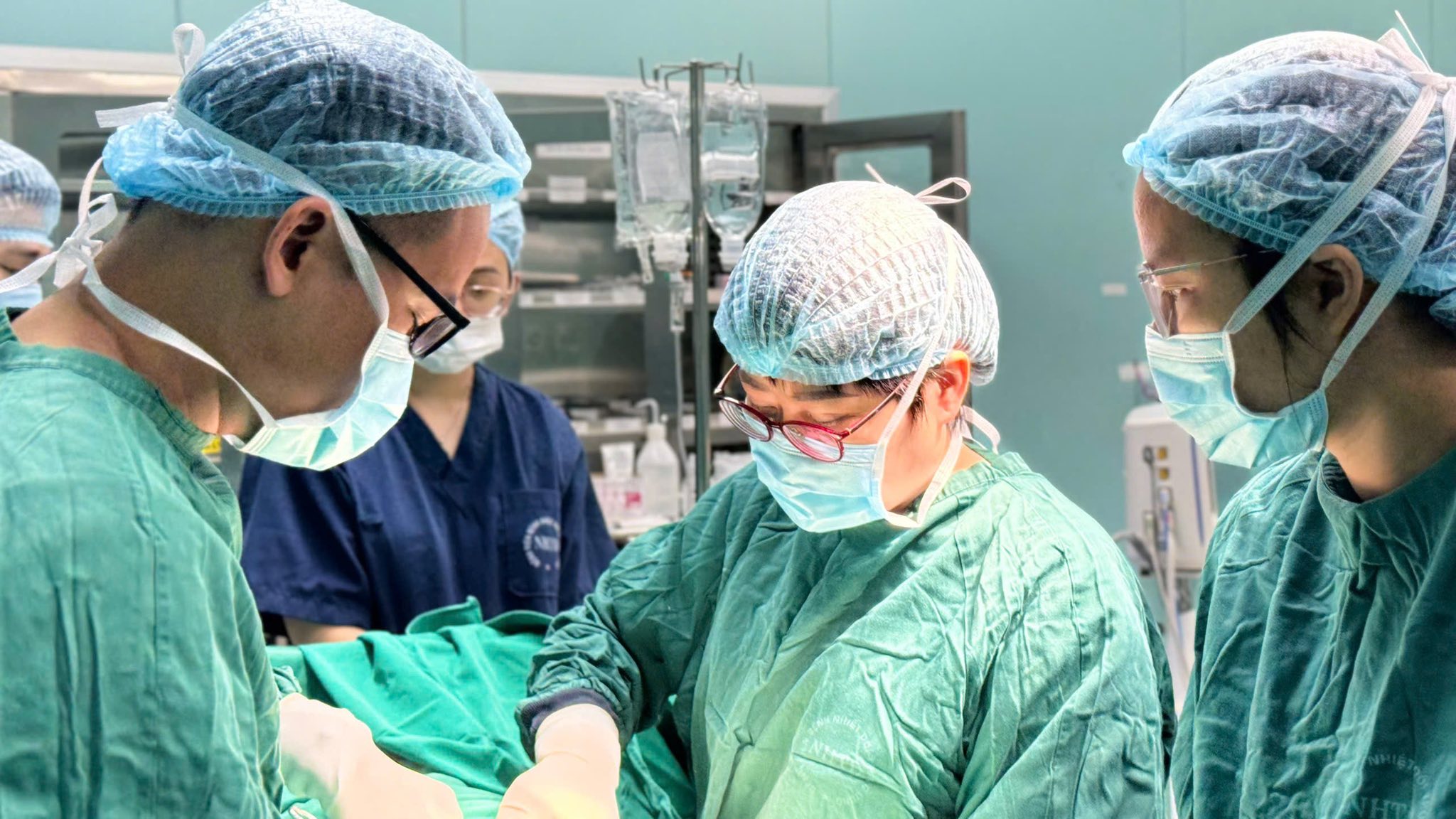 |
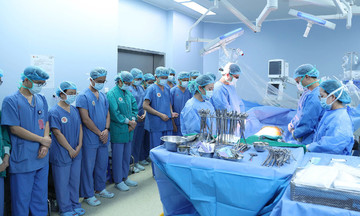
Doctors perform surgery on a patient with hemorrhage. *Photo: Hospital provided* |
According to doctors, abortion pills detach the fetus from the uterine wall. However, if fetal tissue is not completely expelled or the uterus contracts poorly, heavy bleeding can occur, leading to prolonged hemorrhage and rapidly progressing to hypovolemic shock. If patients arrive at the hospital late, the condition can progress to coagulopathy, leading to death.
Medical abortion is only safe when performed and monitored at a licensed medical facility equipped for emergencies. Patients who have taken the medication must adhere to instructions, closely monitor their bleeding, and seek immediate hospital care if they experience severe abdominal pain, heavy bleeding, or fatigue.
This patient was young and had no underlying health conditions, which contributed to her resilience. However, older patients, those with pre-existing anemia, or underlying medical conditions face a higher risk of mortality, according to Doctor Ha.
Thuy An