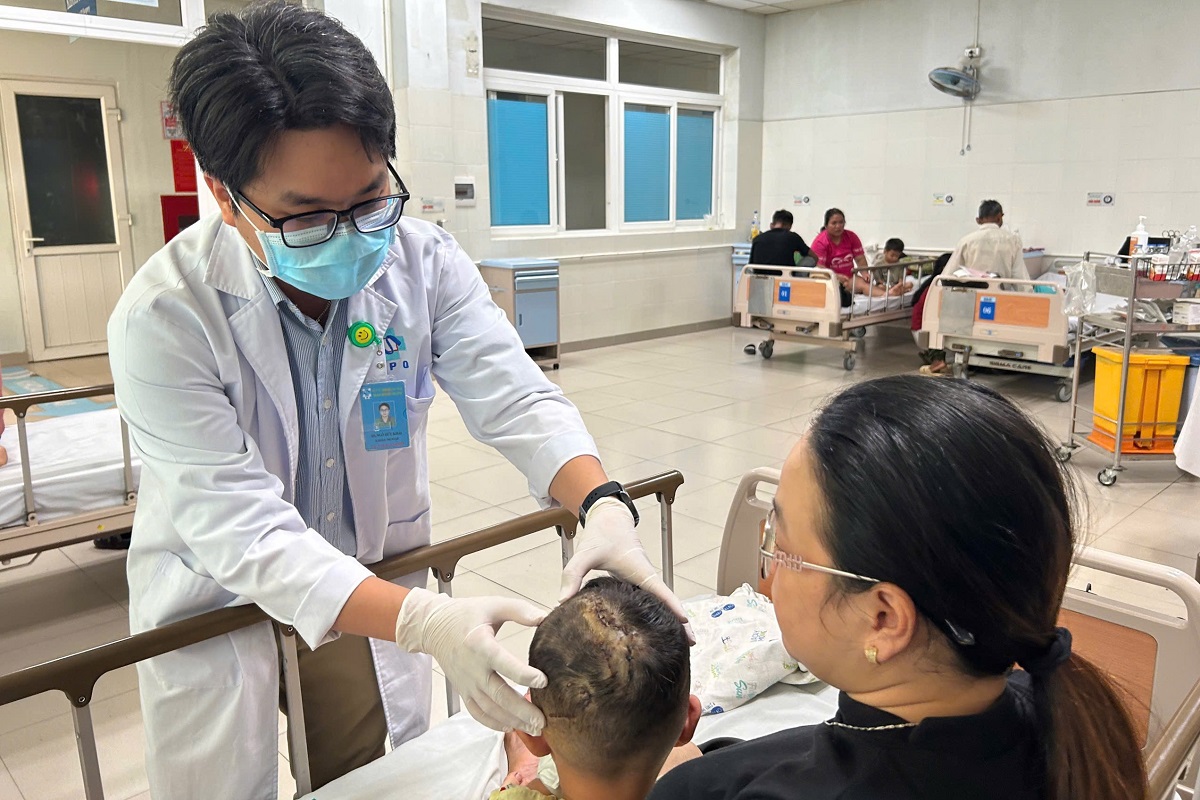
According to Master, Doctor Nguyen Quang Huy, from the Department of Nephrology - Dialysis at Tam Anh General Hospital Hanoi, patients with stage 4 kidney failure experience severe decline in kidney function. However, dialysis can be delayed if they adhere to treatment, manage blood pressure effectively, and attend regular follow-up appointments. This stage is critical, nearing end-stage kidney failure, and demands close monitoring and strict adherence to the treatment regimen.
Doctors prescribed Ms. Lan medication to control blood pressure, advised dietary adjustments, and scheduled regular monitoring of her kidney function and treatment for co-existing disorders. However, for over a year, she failed to attend scheduled follow-up appointments and did not take her prescribed medication. Instead, Ms. Lan began using unverified traditional herbal remedies, purchased from acquaintances and online, which were anecdotally claimed to "nourish kidneys" and "cool the liver." These remedies lacked specific dosage instructions or medical supervision. She also neglected to monitor her blood pressure or undergo regular tests to assess kidney function.
Ms. Lan's health progressively declined, leading to a noticeable increase in shortness of breath, severe fatigue, and widespread swelling by early this year. Examination results at Tam Anh General Hospital Hanoi revealed a significant decrease in her glomerular filtration rate, indicating stage 5 kidney failure, the final stage of chronic kidney disease. With her kidneys nearly non-functional, the accumulation of toxins and excess fluid in her body became life-threatening, necessitating regular dialysis to sustain life.
Before commencing dialysis, Ms. Lan received a central venous catheter for temporary vascular access. This facilitated the initial dialysis process, which aimed to remove accumulated toxins and excess fluid from her body. Underlying conditions, such as hypertension, were carefully managed with medication and close monitoring to mitigate complications. Once her overall condition stabilized, she underwent surgery to create an arteriovenous fistula in her forearm, preparing her for long-term dialysis.
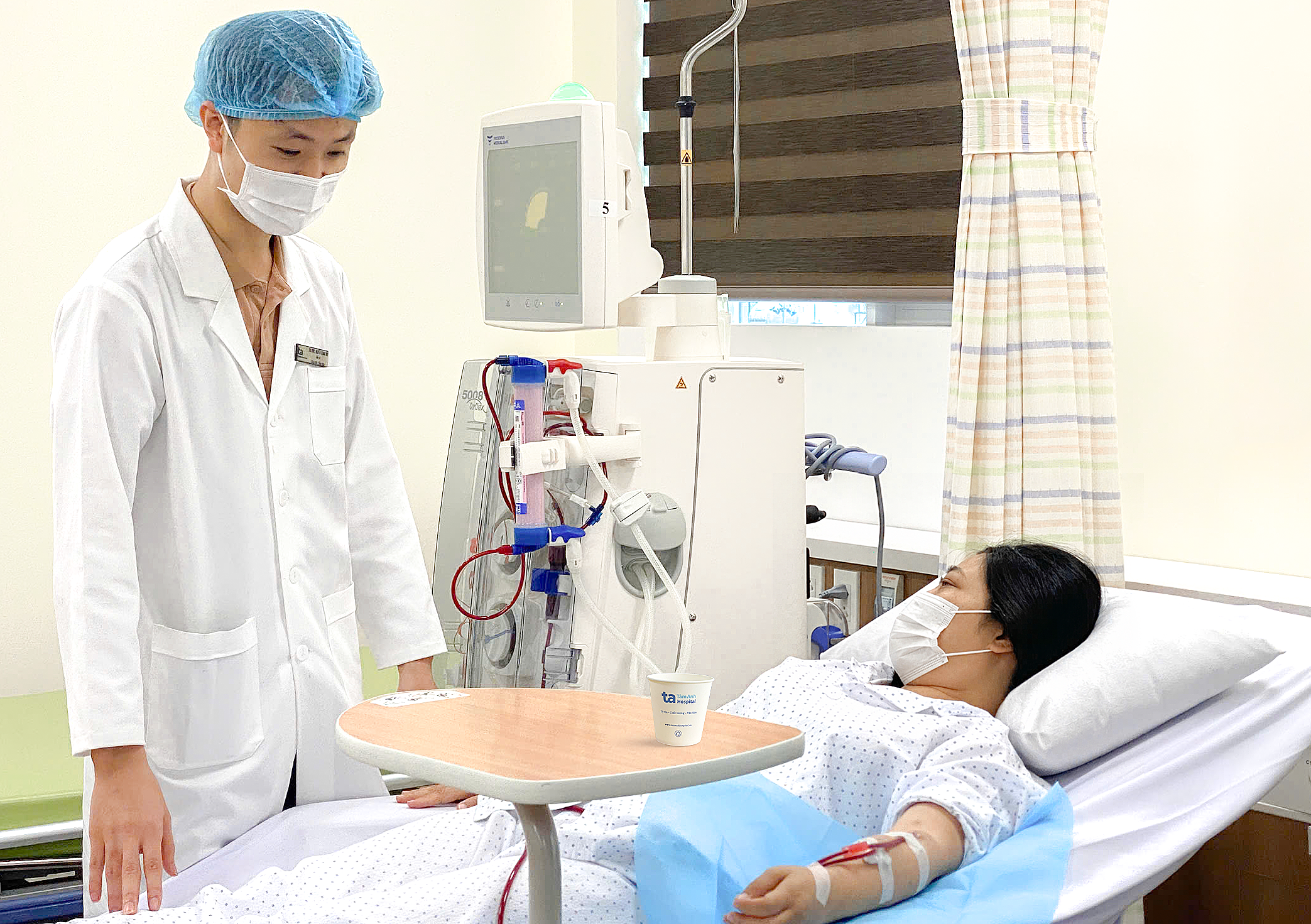 |
Ms. Lan undergoes regular dialysis for end-stage kidney failure. Photo: Tam Anh General Hospital |
After two months of treatment, Ms. Lan experienced reduced shortness of breath and swelling, with her health stabilizing. She currently undergoes dialysis three sessions each week, with each session lasting approximately four hours. To prevent electrolyte imbalances and reduce the burden on her kidneys, she must adhere to a diet restricted in salt, carefully control her fluid intake, and limit foods rich in potassium and phosphorus.
Doctor Huy emphasized that chronic kidney disease is an irreversible, progressive condition, but its progression can be controlled and slowed. He strongly advises patients to adhere to treatment from the early stages, never abandon their prescribed regimen, attend all scheduled follow-up appointments, and manage risk factors. This approach is crucial to prevent a rapid decline in glomerular filtration rate, which could accelerate the disease to its final stage and necessitate lifelong dialysis.
Thu Giang
*Patient's name has been changed