Parents often face a dilemma when their children's schools announce outdoor activities or skill-building summer camps. While these experiences offer valuable growth opportunities, many parents, like My Han, 30, from Ho Chi Minh City, and Thanh Hung, 35, from Hanoi, express deep concerns about their children's health and safety. My Han's 10-year-old daughter, Sua, for instance, is eager to explore nature and learn self-reliance, but My Han's primary concern is her daughter's sensitive health, recalling a flu incident two years prior that kept Sua out of school for nearly a week after a summer trip. Similarly, Thanh Hung initially hesitated before allowing his 15-year-old son to join a two-day mountain climbing and camping trip, despite recognizing it as a chance to build resilience and independence.
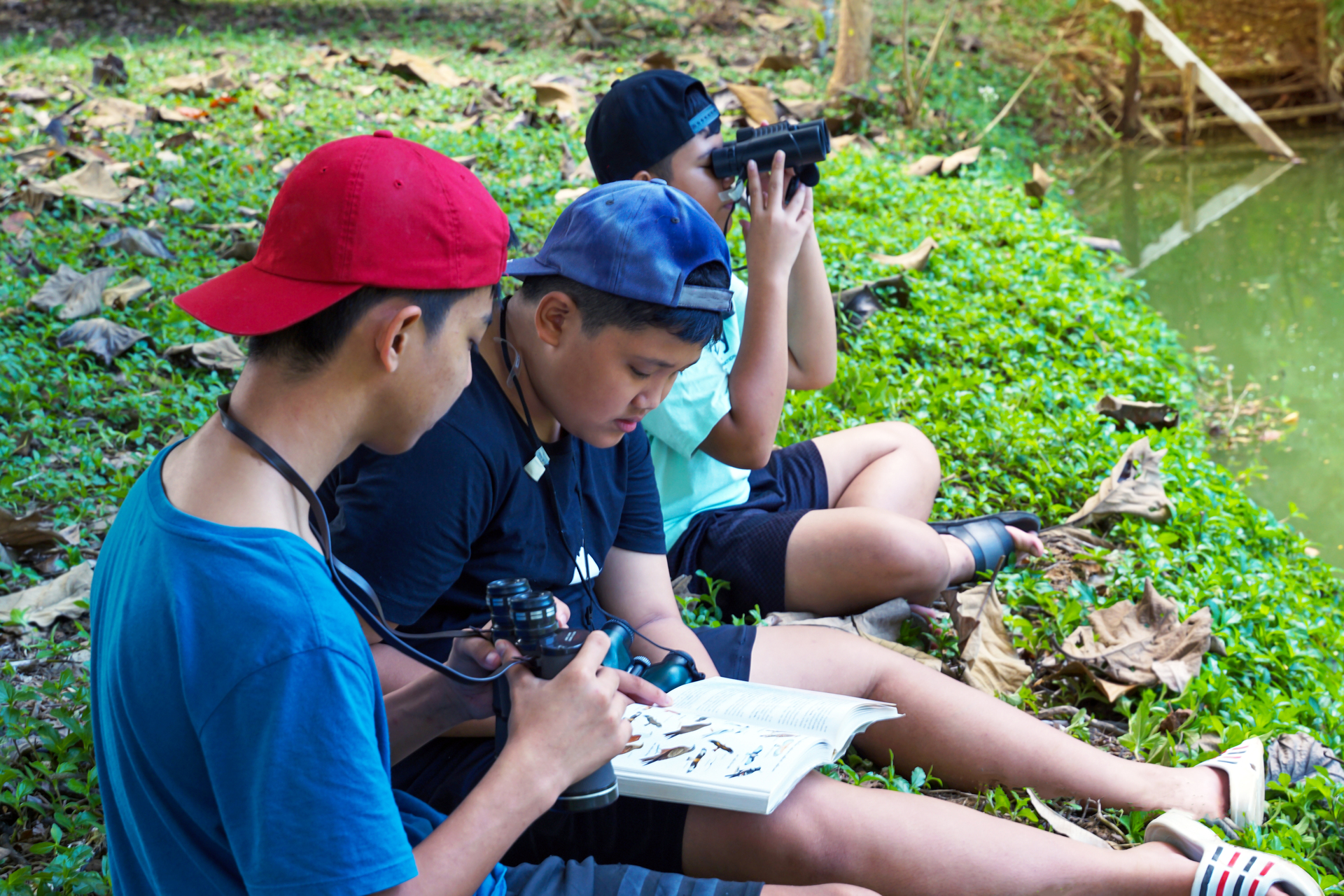 |
Outdoor experiential activities offer many benefits for children's development. *Illustration: Vecteezy*
These parental worries are well-founded, according to Doctor Tran Huynh Tan, Medical Manager at the VNVC Vaccination System. While activities such as camping, mountain climbing, and scouting offer significant benefits like improved health, self-reliance, teamwork skills, and adaptability, the nature of these trips inherently carries risks. Outdoor excursions often span many hours or days, requiring children to adapt to new environments, eating habits, and rest patterns. Factors like late nights, strenuous activity, and sleeping in unfamiliar tents can lead to fatigue and weakened immunity.
Unpredictable weather further complicates matters, exposing children to heat, sudden rain, or drastic temperature shifts between day and night. These conditions create an ideal breeding ground for respiratory illnesses, particularly when children are tired or haven't fully adjusted. Moreover, group living environments significantly heighten the risk of disease transmission. When children share meals, sleep, play, and engage in close contact, respiratory diseases spread easily. Doctor Tan warns that "some dangerous infectious diseases have subtle initial symptoms, easily mistaken for a common cold or flu. Delayed detection can increase the risk of severe progression." A child incubating an illness or showing mild symptoms can quickly become a source of infection for the entire group.
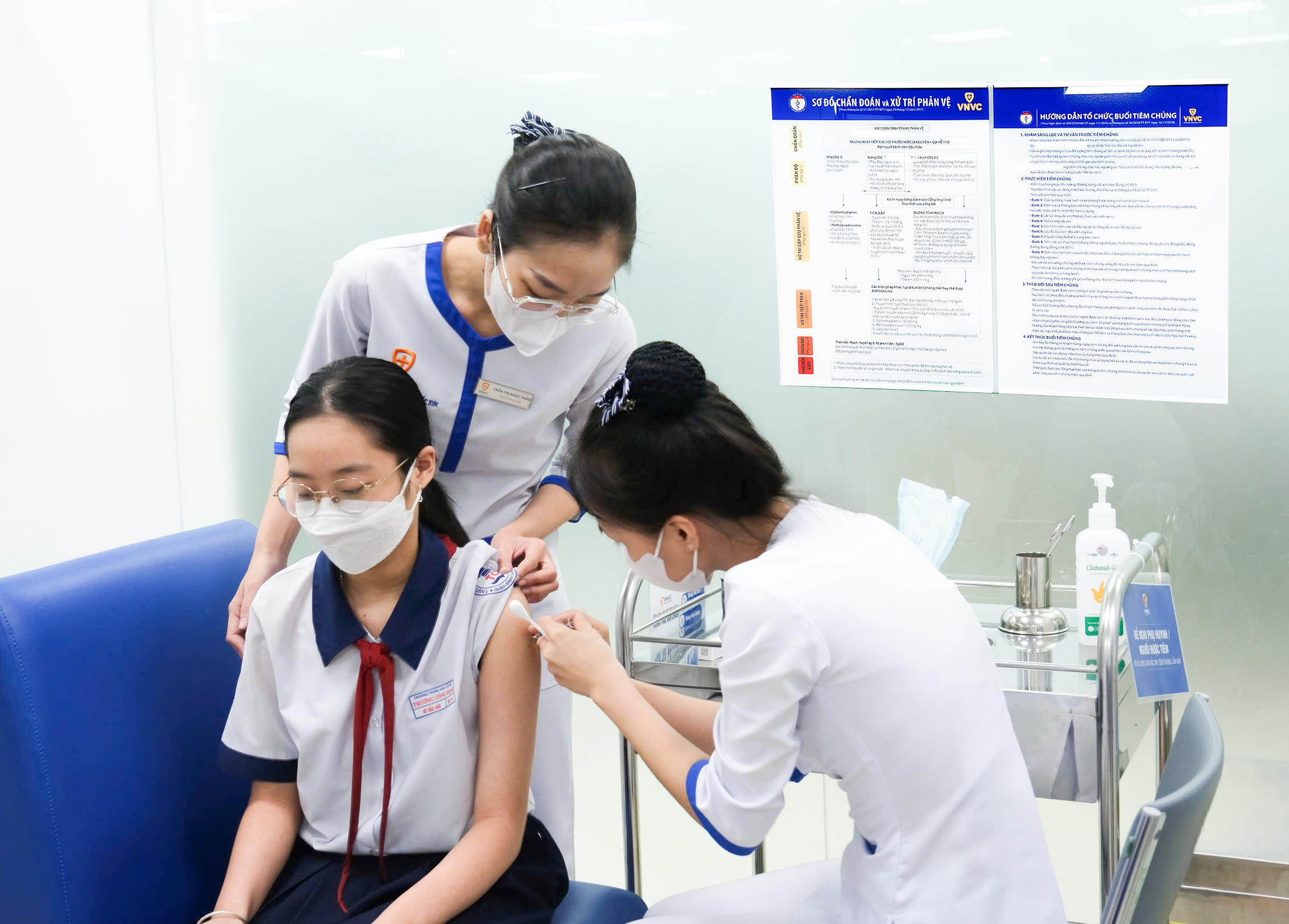 |
Students receive disease prevention vaccines at the VNVC Vaccination System. *Photo: Moc Thao*
Despite these concerns, Doctor Tan advises against restricting children's experiences due to excessive worry. Instead, thorough preparation is key. Parents should select well-organized programs that have clear safety plans and incident response procedures. Before the trip, essential items to prepare include weather-appropriate clothing, raincoats, drinking water, antiseptic, insect repellent, and personal hygiene items. Children must be instructed on frequent handwashing, avoiding sharing water bottles or face towels, getting enough sleep, and immediately reporting any symptoms like fever, fatigue, sore throat, or discomfort to their supervisor.
Crucially, Doctor Tan emphasizes reviewing a child's vaccination schedule before any trip. Many common diseases encountered in group or outdoor settings, such as influenza, pneumococcal disease, meningococcal disease, chickenpox, measles, mumps, dengue fever, and Japanese encephalitis, are preventable with vaccines. Children should have their vaccinations checked and updated at least two weeks, and ideally about one month, before the trip to allow their bodies sufficient time to produce protective antibodies. If a child is already feverish, coughing, fatigued, or suffering from an acute illness, parents should consider postponing the trip to safeguard their child's health and prevent spreading illness to others.
Binh An