The brain, though accounting for only about 2% of body weight, consumes approximately 20% of the body's oxygen. When oxygen deprivation occurs due to stroke, injury, or neurological conditions, nerve cell function is compromised.
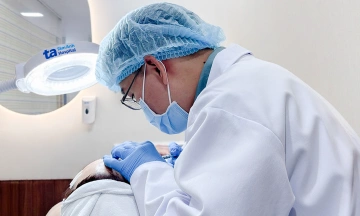
Doctor, Medical Doctor Nguyen Thi Minh Duc, Head of the Neurology Department at the Neuroscience Center, Tam Anh General Hospital Ho Chi Minh City, states that hyperbaric oxygen therapy involves patients inhaling nearly 100% pure oxygen in a treatment chamber at a higher-than-normal atmospheric pressure. This method increases the amount of oxygen dissolved in plasma, delivering it to oxygen-deprived tissues. Consequently, this therapy is applied in treating many neurological conditions.
Stroke sequelae
Following cerebral infarction or hemorrhagic stroke, many patients experience weakness, paralysis, speech disorders, or cognitive decline due to damage to parts of the neural network. Hyperbaric oxygen helps increase oxygen supply to viable but underperforming brain regions after a stroke, facilitating the brain's reorganization of neural pathways. This offers patients an enhanced opportunity to recover motor function, language, and other lost abilities when combined with rehabilitation.
Vestibular disorders
Patients often experience frequent dizziness, lightheadedness, and loss of balance, which impact their daily lives and work.
For certain cases of vestibular disorders linked to cerebral hypoxia or nerve damage, doctors may consider prescribing hyperbaric oxygen to increase oxygen delivery to brain tissue, support microcirculation, and restore nerve function. When combined with appropriate treatments, this therapy can help reduce dizziness, improve balance, and enhance adaptation to postural changes.
 |
A patient inhales pure oxygen in a hyperbaric oxygen chamber. Illustration: Tam Anh General Hospital |
Cognitive decline
Some individuals experience memory loss, difficulty concentrating, or slow information processing after a stroke, traumatic brain injury, or other neurological conditions. Hyperbaric oxygen supports the activity of nerve cells and synapses—the junctions where signals are transmitted between neurons. This contributes to improving the functional efficiency of neural networks involved in memory, attention, and cognitive abilities.
Sequelae after poisoning or brain infection
Carbon monoxide poisoning, encephalitis, or other brain injuries can cause prolonged oxygen deprivation, damaging nerve cells even after the acute emergency phase has passed. Hyperbaric oxygen helps increase dissolved oxygen in the blood, promotes the repair of damaged tissue, reduces secondary injury, and supports the recovery of affected neurological functions.
Chronic insomnia
Chronic insomnia prevents the brain from adequate rest and recovery, leading to increased fatigue, memory impairment, and reduced concentration. Hyperbaric oxygen can help improve brain metabolism, contribute to regulating autonomic nervous system activity, and reduce prolonged stress. Consequently, some patients may experience improved sleep quality and increased daytime alertness.
Chronic fatigue due to psychological stress
Prolonged work or academic pressure can keep the body in a constant state of stress, reducing concentration and impairing work performance. Patients can use hyperbaric oxygen therapy to increase oxygen supply to the brain and other organs, supporting cellular energy production. This can help patients alleviate lethargy, enhance alertness, and improve overall physical recovery.
According to Doctor Duc, hyperbaric oxygen is a supportive treatment method that requires medical assessment and prescription. Individuals with persistent neurological symptoms should consult a specialized neurology facility to determine the cause and select an appropriate treatment approach.
Trong Nghia
| Readers can submit questions about neurological conditions here for doctors to answer. |