Many people incorrectly assume that any collagen supplement benefits joints. However, this is not entirely accurate. Research indicates there are 28 distinct types of collagen, each distributed in different tissues and performing specific functions. For example, collagen type I is predominantly found in skin, bones, tendons, and ligaments, often appearing in beauty products. In contrast, collagen type II is the specific type characteristic of joint cartilage.
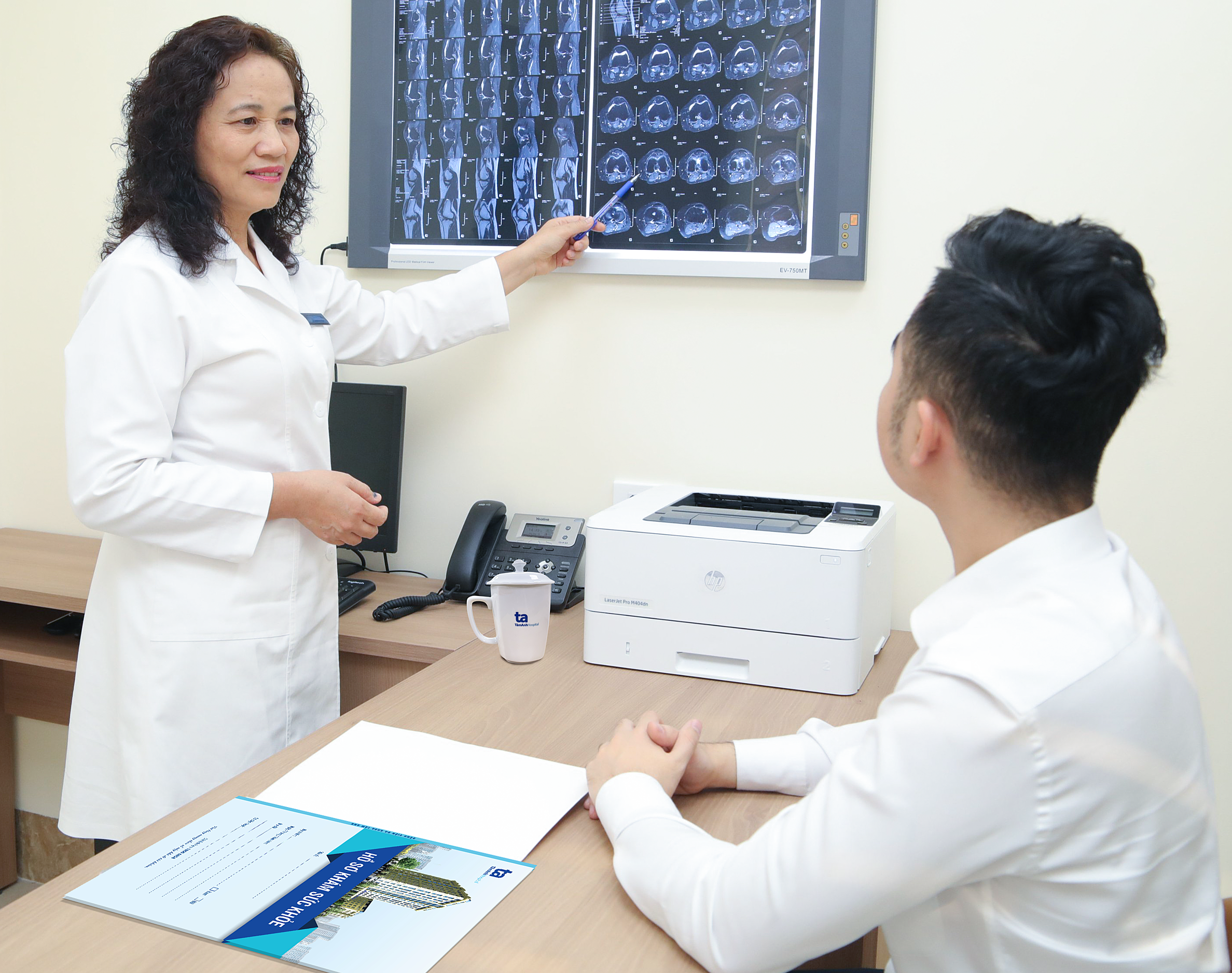 |
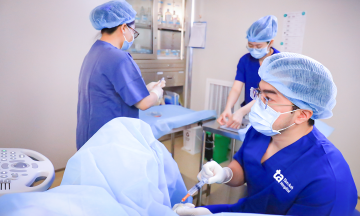
A doctor at Tam Anh General Hospital consults a patient with musculoskeletal disease. Illustration: Provided by the hospital.
Collagen type II constitutes 90-95% of the collagen in cartilage and 60-70% of the dry weight of cartilage tissue. Together with proteoglycans, it forms a supportive structure, allowing cartilage to withstand pressure, retain water, maintain elasticity, and provide a smooth surface for flexible joint movement. With aging or degeneration, type II collagen in cartilage diminishes. This loss reduces cartilage elasticity and firmness, making it susceptible to cracks, erosion, and increased friction between bone ends, resulting in pain, joint stiffness, and limited mobility.
Collagen type II comes in two forms: denatured and undenatured. Undenatured collagen type II is specially processed to retain its natural structure and biological properties. This allows it to interact with immune cells in the digestive tract, activating the oral tolerance mechanism. This mechanism regulates immune responses, preventing the body from attacking its own type II collagen in cartilage, which helps reduce inflammation and protects cartilage tissue from degeneration. Denatured collagen type II, however, mainly provides raw materials for protein synthesis.
Supplementing with approximately 40 mg of undenatured collagen type II daily can alleviate joint pain, reduce stiffness, and enhance mobility. Additionally, consider incorporating other specialized nutrients such as: hydrolyzed collagen peptide, eggshell membrane, chondroitin sulfate, and turmeric root extract. These substances help chondrocytes synthesize cartilage components and improve joint fluid quality, leading to stronger, more elastic cartilage and greater joint flexibility.
Doctor Hoang Quyet Tien
Medical Information Center,
Tam Anh General Hospital, TP HCM
| Readers can submit questions about musculoskeletal diseases here for a doctor's response. |