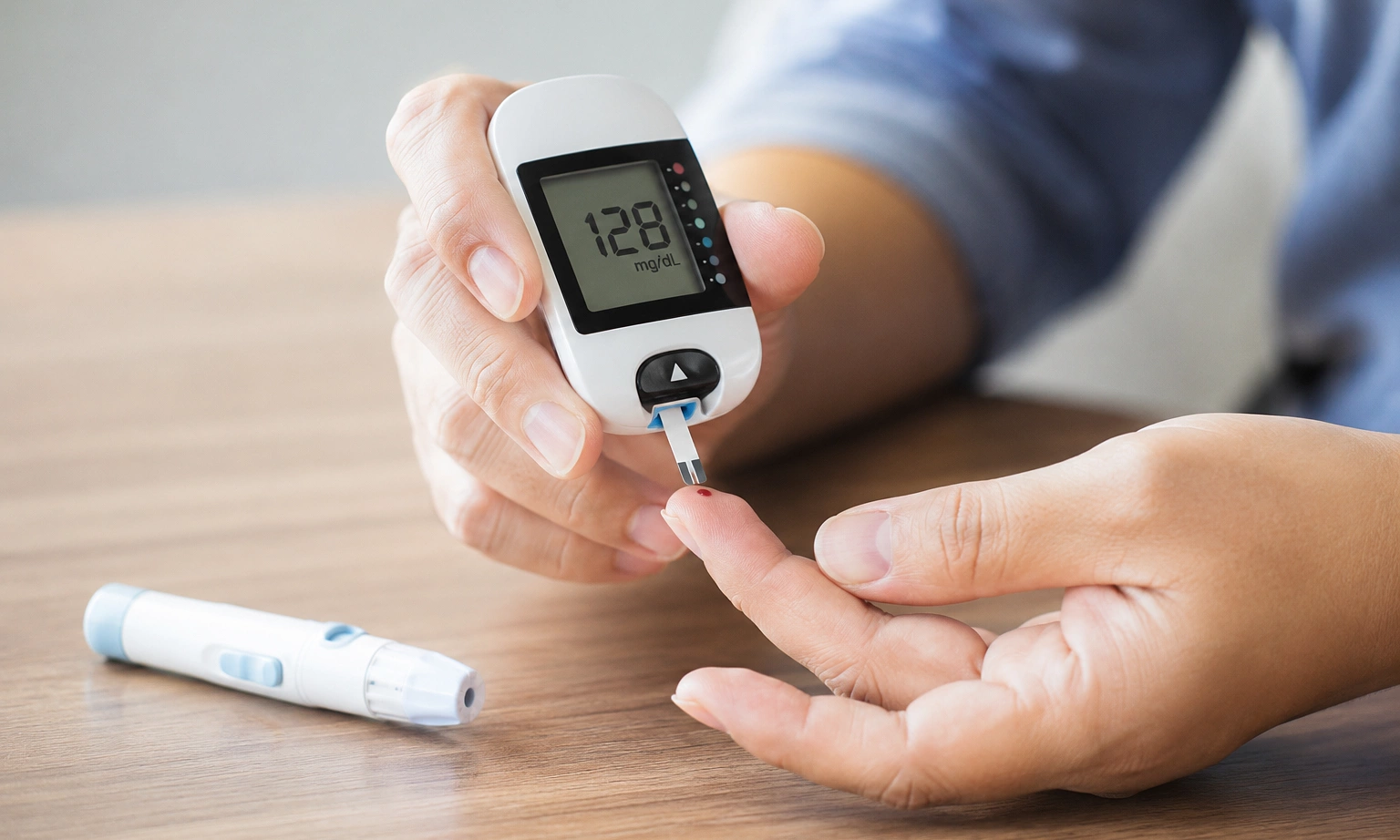
Dinner replenishes the body's energy after a day and directly impacts cardiovascular health. Meals high in saturated fat and salt can elevate blood pressure, cholesterol, and blood sugar, increasing the risk of heart disease. Conversely, making smart food choices and adopting healthy dinner habits can benefit heart health.
Prioritize green vegetables
According to Eating Well, vegetables such as broccoli, spinach, cabbage, carrots, pumpkin, and tomatoes are packed with fiber, vitamins, minerals, and antioxidants. Fiber aids in reducing cholesterol absorption, managing weight, and stabilizing blood sugar. Potassium, present in many vegetables, helps balance sodium levels, contributing to healthy blood pressure. Antioxidants work to limit inflammation, protecting blood vessel walls from damage.
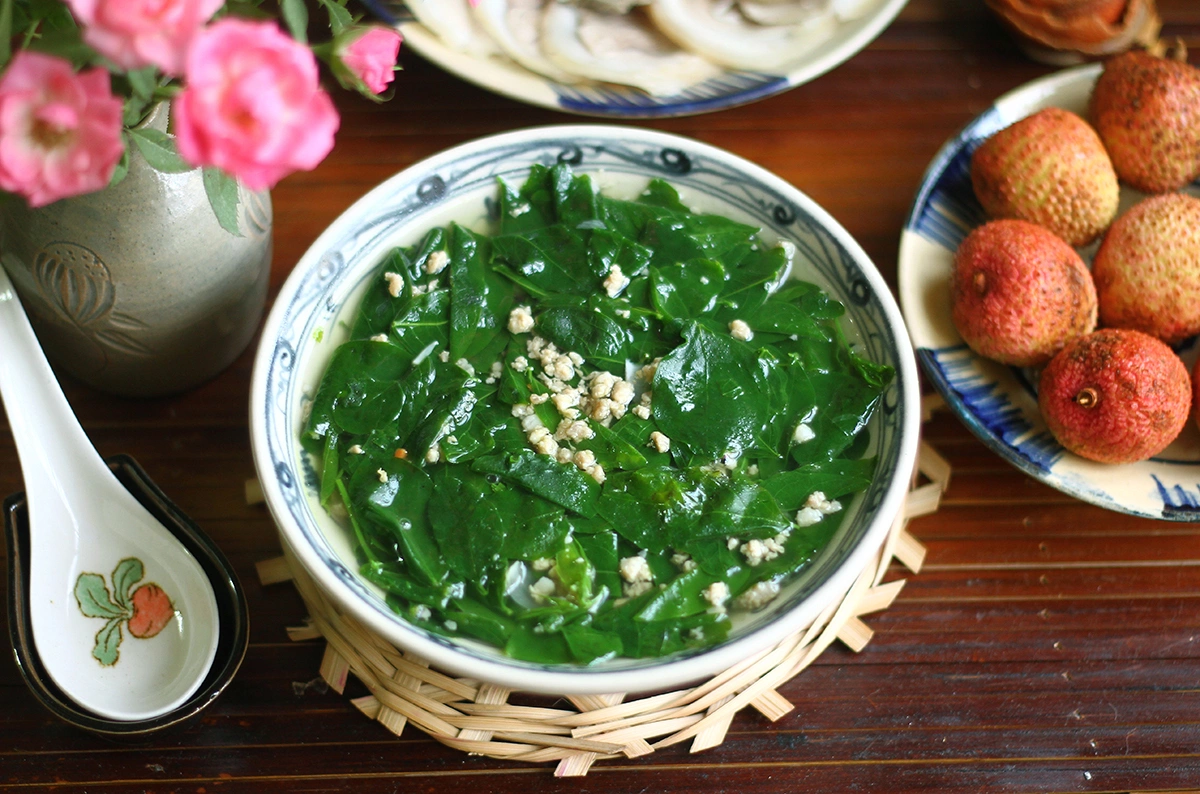 |
Green vegetables, rich in fiber, are good for heart health. Photo: Bui Thuy. |
Choose lean protein over red meat
The protein source at dinner also affects cardiovascular health. Opt for fish, skinless chicken, tofu, legumes, and seafood instead of fatty beef, lamb, or processed meats like sausages and bacon.
Reduce salt intake at dinner
Excessive salt intake is a common cause of high blood pressure. Sustained hypertension forces the heart to overwork and damages blood vessel walls. To limit salt, season meals moderately during preparation, reduce dipping sauce use, and avoid processed foods like instant noodles and canned goods. Instead, enhance flavors with natural spices such as garlic, ginger, onion, pepper, lemon, or other herbs.
Prioritize healthy fats
Unsaturated fats, found in olive oil, avocado, almonds, walnuts, flaxseeds, and chia seeds, can improve blood cholesterol. Fatty fish such as salmon, mackerel, and sardines are rich in omega-3 fatty acids. These contribute to reducing triglycerides, limiting inflammation, and stabilizing heart rate, as reported by the Times of India.
Avoid overeating
Eating too little during the day and then overeating at dinner can overload the digestive system, leading to the storage of excess energy as fat. This habit also contributes to increased blood sugar, weight gain, obesity, and a higher risk of hypertension, dyslipidemia, and cardiovascular disease. It is advisable to eat dinner two to three hours before bedtime, allowing the body sufficient time to digest food and minimizing the risk of acid reflux.
Limit alcohol and sugary drinks
Regular alcohol consumption can elevate blood pressure, increase triglycerides, and impact heart rate. Sugary soft drinks, high in calories, contribute to weight gain and metabolic disorders. Water remains the best choice for health; if you desire a different flavor, consider unsweetened herbal tea.
Le Nguyen (Compiled)
| Readers can submit questions about cardiovascular disease here for doctors to answer. |