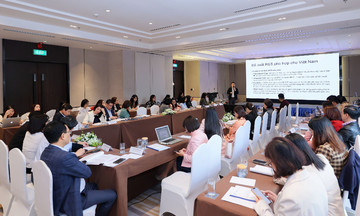
A Hanoi office worker, Minh Tuan, prioritizes health alongside his career. He maintains a healthy lifestyle, undergoes regular check-ups, and actively researches common illnesses, including sexually transmitted infections, on social media platforms.
He discovered an HPV video on TikTok and subsequently sought further information from the World Health Organization (WHO) website. Human Papillomavirus (HPV) is a common sexually transmitted virus that causes human papillomas. Medical literature indicates that while most HPV infections clear naturally, persistent infections can lead to conditions such as genital warts, precancerous lesions, and related cancers. The majority of sexually active individuals face a risk of HPV infection at some point, often without realizing they have been infected.
Recognizing his own susceptibility to HPV and other sexually transmitted infections, Minh Tuan decided to research preventive measures thoroughly. He shared these educational materials with his friends.
Tuan exemplifies a growing number of young people who are adopting a more positive approach to sexual health. Historically a sensitive and often avoided topic, sexual health is now viewed by younger generations as an integral aspect of self-care. This newfound openness stems from both education and the widespread dissemination of personal stories, medical advice, and scientific information on social media platforms.
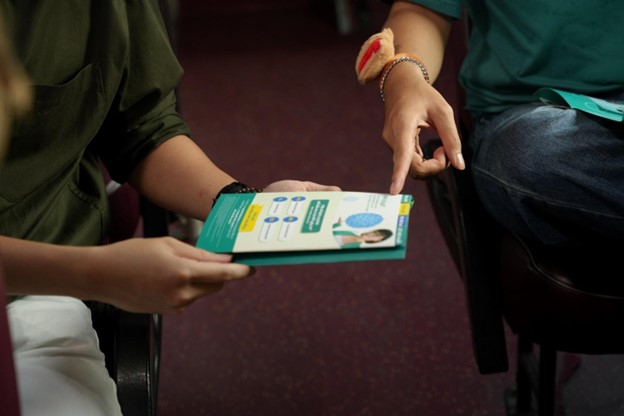 |
Young people access HPV information through flyers. *Pham The Hien* |
Many young people consider discussing HPV, safe sex, and proactive prevention as an act of responsibility towards themselves and their partners. Videos titled "How I discovered cervical cancer" and "What to do if infected with HPV" regularly garner hundreds of thousands of views.
Doctors and celebrities, including singer-actress Hari Won, are actively participating in media campaigns. These initiatives aim to raise awareness about these conditions and share personal journeys of overcoming cervical cancer.
A survey titled "Community understanding of HPV," conducted by the Central Center for Health Communication and Education under the Ministry of Health between 21/4 and 23/5, highlighted significant engagement from young men and women. The findings indicated that younger generations primarily access HPV information and are heavily influenced by social media platforms like Facebook and TikTok, alongside traditional sources such as television, newspapers, and medical professionals.
Ngoc Linh, a 22-year-old student, had a podcast about cervical cancer shared by her close friend. After listening, Linh's perception of HPV shifted; she no longer believed that only individuals with promiscuous sexual activity could contract the virus. Subsequently, she and her friend scheduled an appointment with a specialist for advice on HPV prevention.
Mai Anh, a 20-year-old student, noticed an HPV advertisement on a double-decker bus while sightseeing in Hanoi. The presence of Khoai Lang Thang, her favorite key opinion leader (KOL), in the advertisement piqued her interest, prompting her to research the virus and related conditions upon returning home.
 |
A bus carrying an HPV prevention message features KOL Khoai Lang Thang. *Pham The Hien* |
The World Health Organization (WHO) estimates that approximately 80% of sexually active individuals will face a risk of HPV infection at some point, irrespective of gender. Furthermore, US studies on human papillomavirus prevalence among sexually active individuals aged 14-59, conducted from 2013 to 2014, generally showed higher rates of both any HPV and high-risk HPV in males compared to females. However, this prevalence can vary with age.
The proactive engagement of young people in seeking information, asking questions, and consulting healthcare professionals signals a positive shift in public awareness regarding HPV. This proactive approach to reproductive health not only reduces the risk of virus-related diseases but also fosters long-term health-conscious habits.
Yen Chi