 |
Eggs are a source of lean protein. A large egg provides 74 calories and 6,2 g of protein, promoting satiety and reducing cravings. Eggs also contain lutein and zeaxanthin, which help prevent macular degeneration—a common diabetic complication. Diabetics can consume 3-4 eggs per week, ideally boiled, steamed, or stir-fried with vegetables. |
 |
Tuna, similar to salmon, is rich in lean protein. A 100 g serving provides 86 calories, 19 g of protein, 1 g of fat, and only 0,2 g of saturated fat. This fish benefits diabetics due to its high omega-3 content, supporting heart health and offering anti-inflammatory effects. Consume 1-2 tuna meals per week to limit the risk of mercury accumulation. |
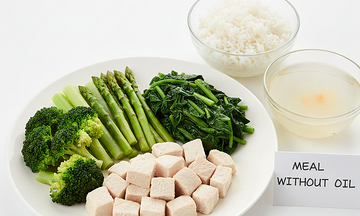
Tofu, made from soybeans, is a staple in many vegetarian and vegan diets. It is an excellent plant-based protein source, providing all essential amino acids, containing no cholesterol, and benefiting heart health. Tofu has a low glycemic index (GI), making it suitable for diabetics. It is best prepared by steaming, boiling, or stir-frying. Avoid deep-frying or using excessive seasonings, which can increase unhealthy fats and blood sugar.
 |
Chicken contains lean protein, especially skinless chicken breast, which is low in fat and does not cause post-meal blood sugar spikes. The protein in chicken promotes satiety, reduces snack cravings, and aids weight management. Chicken digests slowly, helping maintain stable blood sugar. |
 |
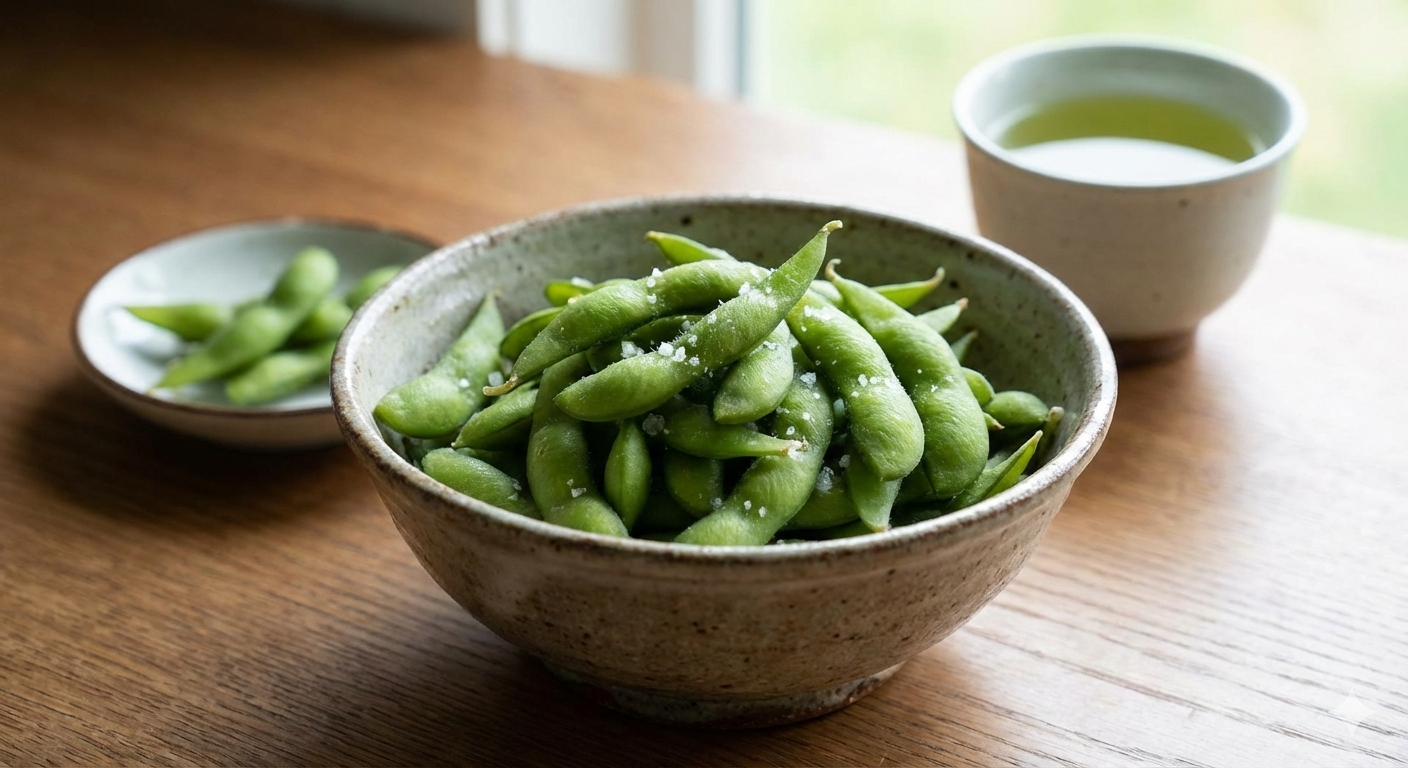
Edamame, or Japanese soybeans, are a source of lean protein. A 120 g serving of edamame contains 9,2 g of protein and approximately 94 calories, contributing to lasting fullness. Diabetics can enjoy edamame as a snack or dessert without concern for blood sugar spikes, thanks to its low GI. |
 |
By Anh Chi (Source: EveryDay Health)
Images: Bui Thuy, Anh Chi, AI
Readers can submit questions about diabetes here for a doctor's response.