In response to your question, goosegrass (Eleusine Indica Gaerth), also known as nguu can thao, tet suat thao, co vuon trau, or thanh tam thao, is a common weed in Vietnam. It typically grows along roadsides, field edges, and vacant lots. The plant reaches a height of 20-60 cm, with flattened, upright stems and distinctive flower clusters containing two to seven branches without petals. Its leaves are 10-30 cm long, embracing the stem at their base.
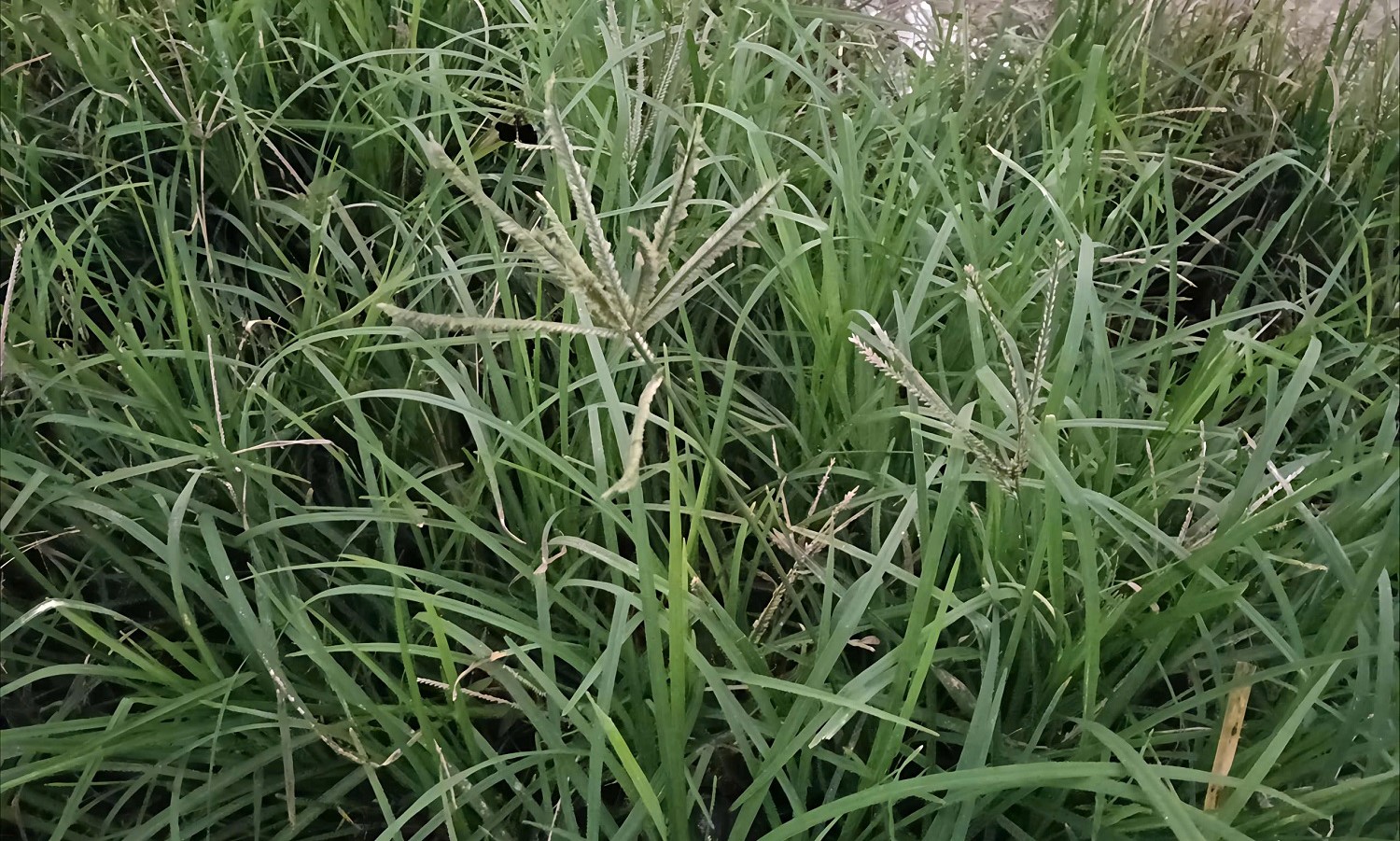 |
Goosegrass grows wild by the roadside. Photo: Hoang Duong |
Goosegrass grows wild by the roadside. Photo: Hoang Duong
According to traditional Eastern medicine, goosegrass has a sweet taste and a cool nature. Its entire plant, including stems, leaves, and flowers, can be used medicinally. This herb possesses properties that can treat high blood pressure, detoxify, cool the liver, relieve pain, soothe, promote urination, reduce fever, and act as an anti-inflammatory. However, its effectiveness varies by individual, and you must consult a medical professional before using it to treat coughs or reduce fever in children.
Current cold and humid weather creates conditions conducive to the development of numerous respiratory diseases, including flu, respiratory syncytial virus (RSV), pneumococcal disease, and measles. These illnesses cause coughs and fevers, and can lead to complications such as pneumonia, meningitis, bronchiolitis, and respiratory failure. You should closely monitor your child's signs by counting their breaths and observing their chest. If your child experiences a high fever that does not subside, convulsions, or cyanosis, seek immediate medical attention at the nearest hospital.
Young children have immature immune systems, making them susceptible to infection and complications from these pathogens. Therefore, families need to implement preventive measures for their children. Vietnam offers various vaccines that provide active and effective disease prevention.
For flu, four types of vaccines are available to protect against influenza A and B strains, suitable for children aged 6 months and older, and adults. Children aged 6 months to under 9 years who have not been vaccinated require two doses, while individuals aged 9 years and older need one dose. An annual booster vaccine is necessary.
Regarding pneumonia and bronchiolitis caused by RSV, Vietnam also has a Pfizer vaccine for pregnant mothers between 24 and 36 weeks of gestation. This vaccine helps transmit passive antibodies, protecting the baby during the first six months of life. Both Pfizer's RSV vaccine and GSK's vaccine are administered to adults aged 60 and above for disease prevention, requiring only one dose.
If a mother cannot receive the vaccine during pregnancy, she can opt for the Nirsevimab monoclonal antibody, brought to Vietnam by Sanofi, to prevent RSV in infants. This involves a single dose for infants up to 12 months of age, or two doses at two different sites on the same day for children aged 12-24 months, providing protection throughout the 5-6 month RSV season.
Five types of pneumococcal vaccines are currently available to prevent pneumonia and meningitis: pneumococcal 10, pneumococcal 13, pneumococcal 15, pneumococcal 20, and pneumococcal 23. The vaccination schedule depends on the individual's age and prior vaccination history.
Additionally, parents should review their children's vaccination history and ensure they receive any missing vaccines, such as those for measles, chickenpox, diphtheria, and whooping cough. Children also need age-appropriate nutrition. Keep them warm when outdoors, ensure they wear masks, and limit their exposure to crowded places, especially individuals exhibiting coughs or fevers.
Dr. Bui Cong Su
(Medical Manager, VNVC Vaccination System)
Readers can submit vaccine-related questions for a doctor's response here.