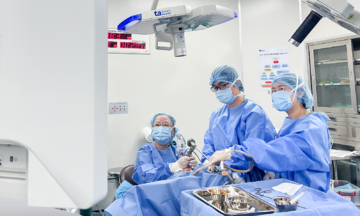
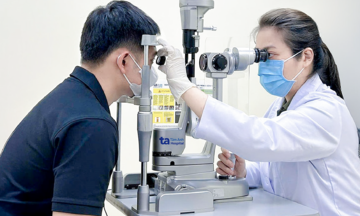
In a medical first for China, an 8-year-old girl, identified as Mengmeng, underwent fertility preservation surgery at Shanghai Children's Hospital on 25/12. Mengmeng was diagnosed with ovotesticular disorder of sex development (DSD), a rare intersex condition.
Mengmeng's condition involved the coexistence of both ovarian and testicular tissues in her body. Despite having a female chromosome set (46,XX), the presence of testicular tissue led to the development of male characteristics from birth.
Following extensive consultation, leading experts from Shanghai and Beijing decided to affirm Mengmeng's female gender, aligning with her 46,XX chromosome set. The surgical team performed a procedure to remove the testicular tissue, reconstruct her external genitalia, and carefully extract ovarian tissue from the mixed gonads for cryopreservation.
Professor Ruan Xiangyan, Head of the Endocrinology Department at Beijing Obstetrics and Gynecology Hospital (Capital Medical University), who personally collected the child's tissue, highlighted the significance of the procedure: "Ovaries maintain female characteristics and produce eggs. This tissue cryopreservation technique helps preserve a woman's reproductive capacity. When Mengmeng reaches puberty, we will assess her remaining ovarian function to determine the optimal time for transplanting the cryopreserved tissue."
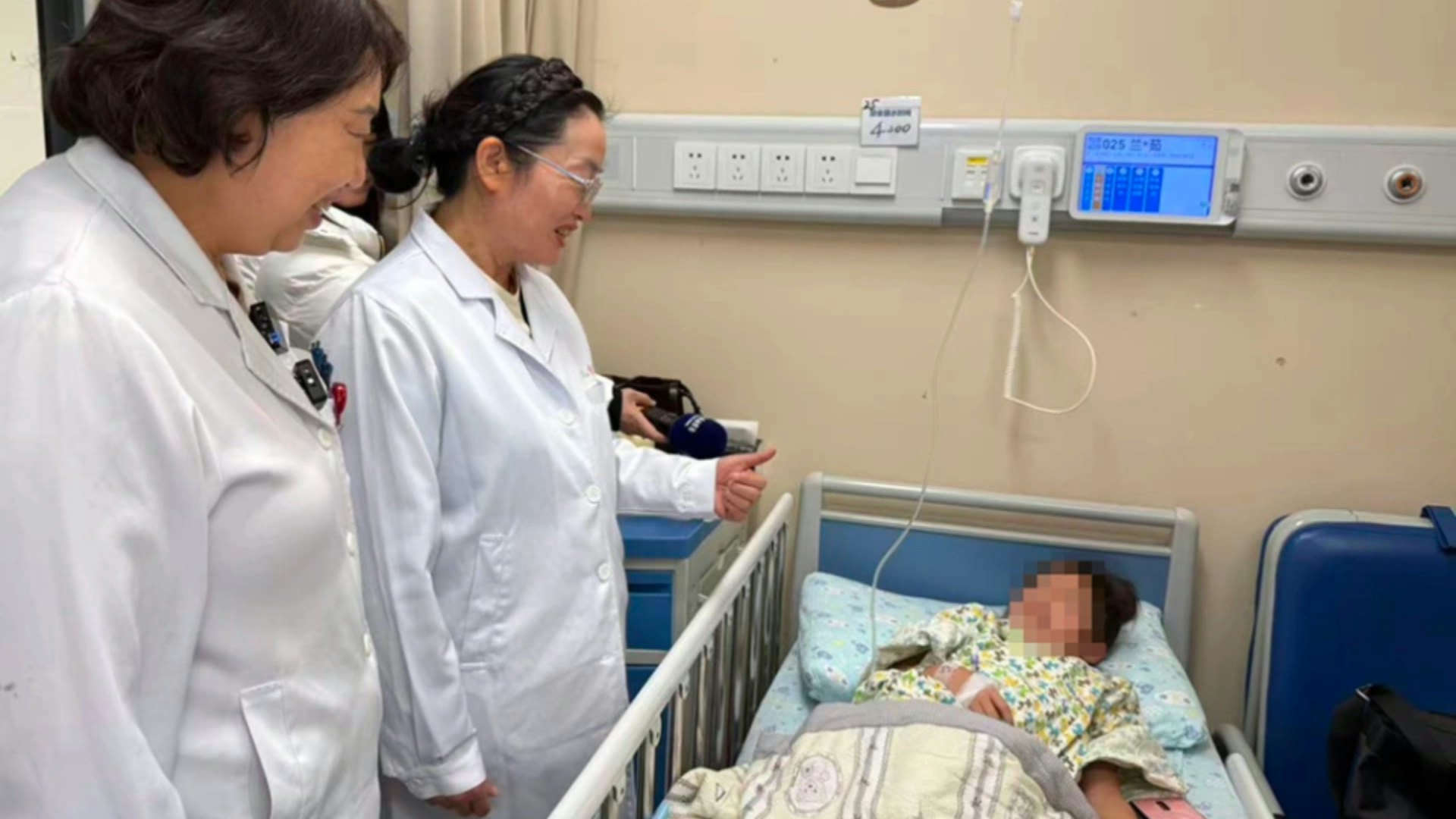 |
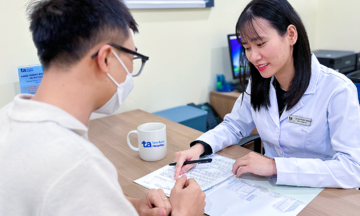
Before the surgery, experts visited the ward to examine and encourage the girl. Photo: The Paper |
Mengmeng's medical journey began 7 years ago. Her father reported that she was born with an unusually large clitoris, measuring about 1 cm and growing over time. At 19 months old, doctors suspected adrenal hyperplasia and referred her to the Endocrinology Department at Shanghai Children's Hospital.
Doctor Li Pin, a leading clinical expert in the Endocrinology Department, confirmed that initial endocrine and chromosomal tests showed normal female chromosomes. However, a detailed examination by Doctor Lü Yiqing, Deputy Head of the Urology Department, revealed a uterus, an underdeveloped left gonad, and a right gonad with bipolar differentiation: testicular tissue at the upper pole and ovarian tissue at the lower pole.
While ovotesticular DSD is not uncommon, Mengmeng's specific presentation is rare in clinical practice. Before the surgical intervention, the hospital conducted a psychological assessment, which confirmed Mengmeng's female gender identity. The hospital ethics committee subsequently approved the plan to raise the child as female, honoring the family's wishes.
Doctor Li Pin emphasized the broader impact of the successful surgery: "It not only brings hope to the patient's family but also establishes a valuable reference treatment protocol for children with similar conditions."
Medical experts view this case as a significant breakthrough in pediatric medicine in China. Shanghai Children's Hospital has treated over 10,000 children with DSD, with approximately 80 cases similar to Mengmeng's. Previously, fertility preservation procedures were typically reserved for adults. The hospital plans to closely monitor Mengmeng's endocrine function in the coming years to ensure normal development and will utilize the reserved tissue if necessary.
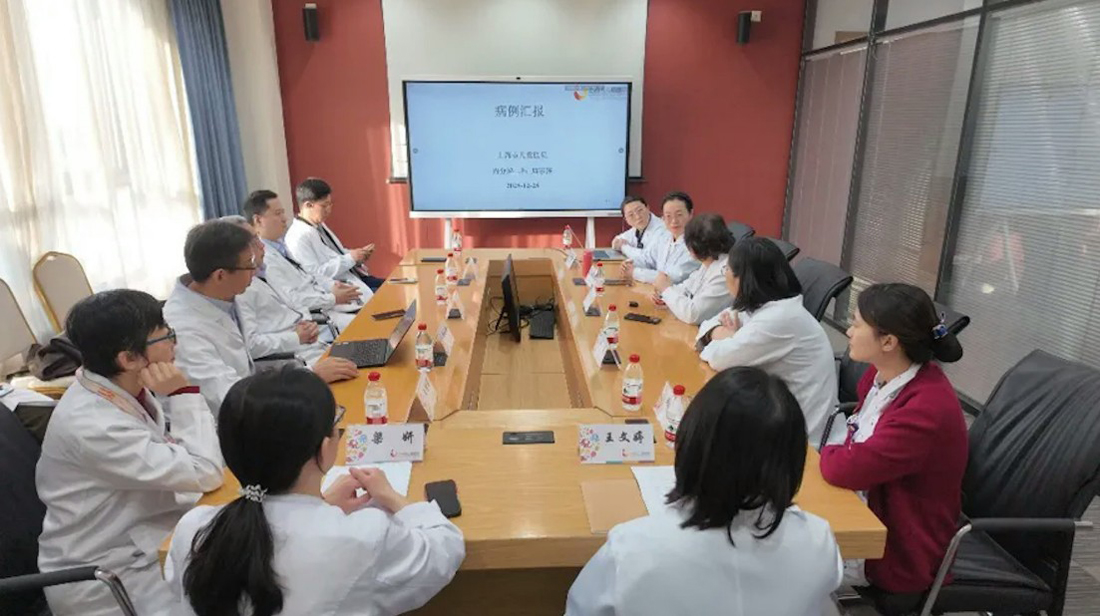 |
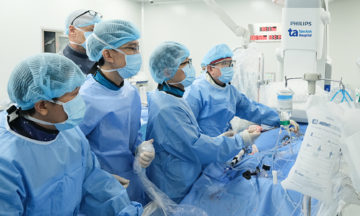
A multidisciplinary team of experts from Shanghai Children's Hospital consulted before surgery with doctors from the Endocrinology Department, Beijing Obstetrics and Gynecology Hospital. Photo: The Paper |
Binh Minh (According to The Paper, HK01)