The Drug Crime Investigation Department (C04) of the Ministry of Public Security announced details of a special investigation on the afternoon of 19/5.
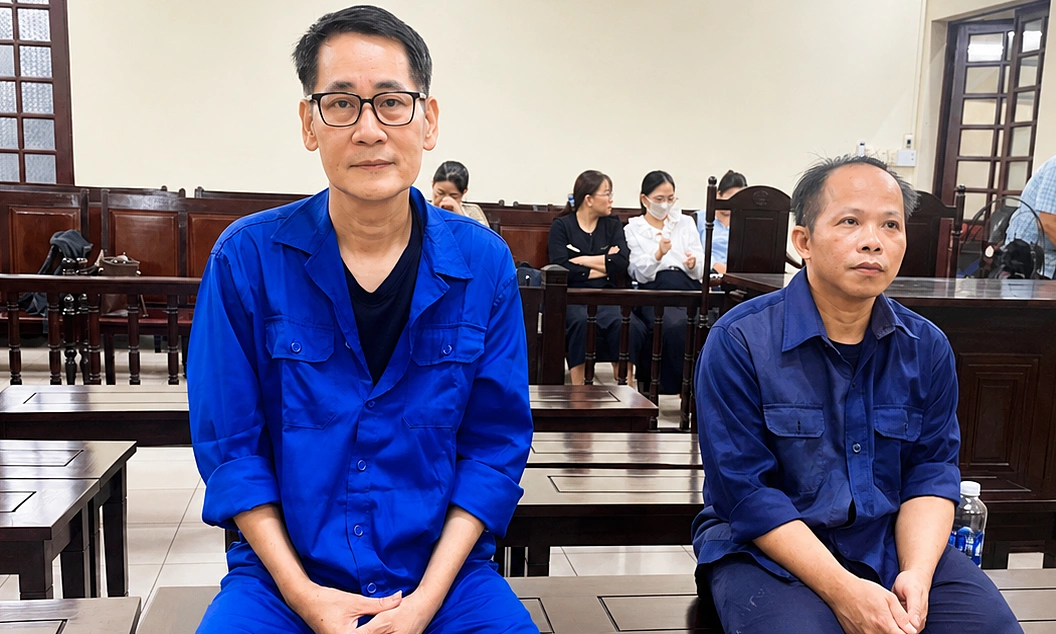
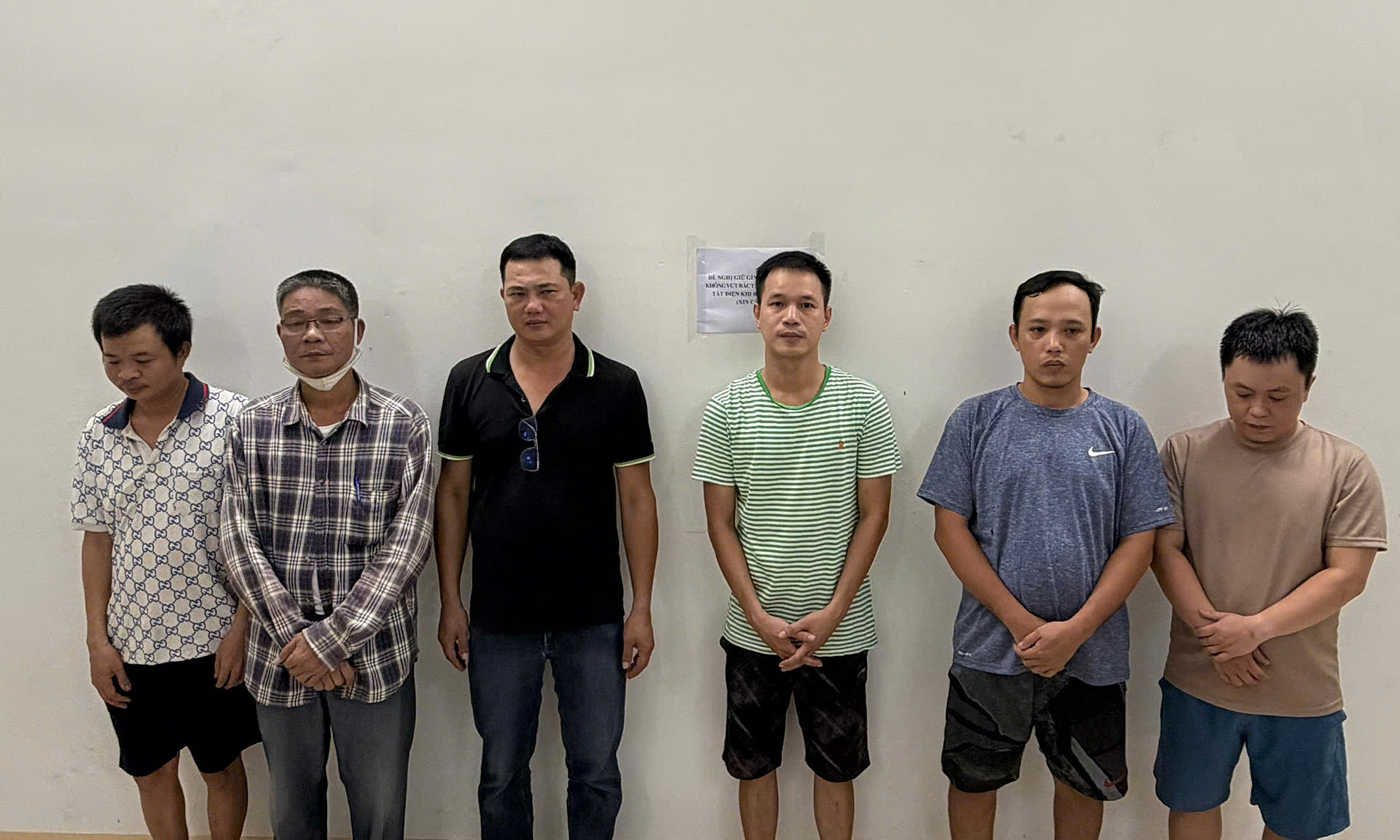
Doctor of Pharmacy Hung, along with five other individuals, was charged with smuggling. Three people face charges of illegal invoice issuance, and one suspect is accused of bribery brokerage. In Laos, the Lao Ministry of Public Security arrested and charged six suspects with trading and transporting drug precursors under Lao law.
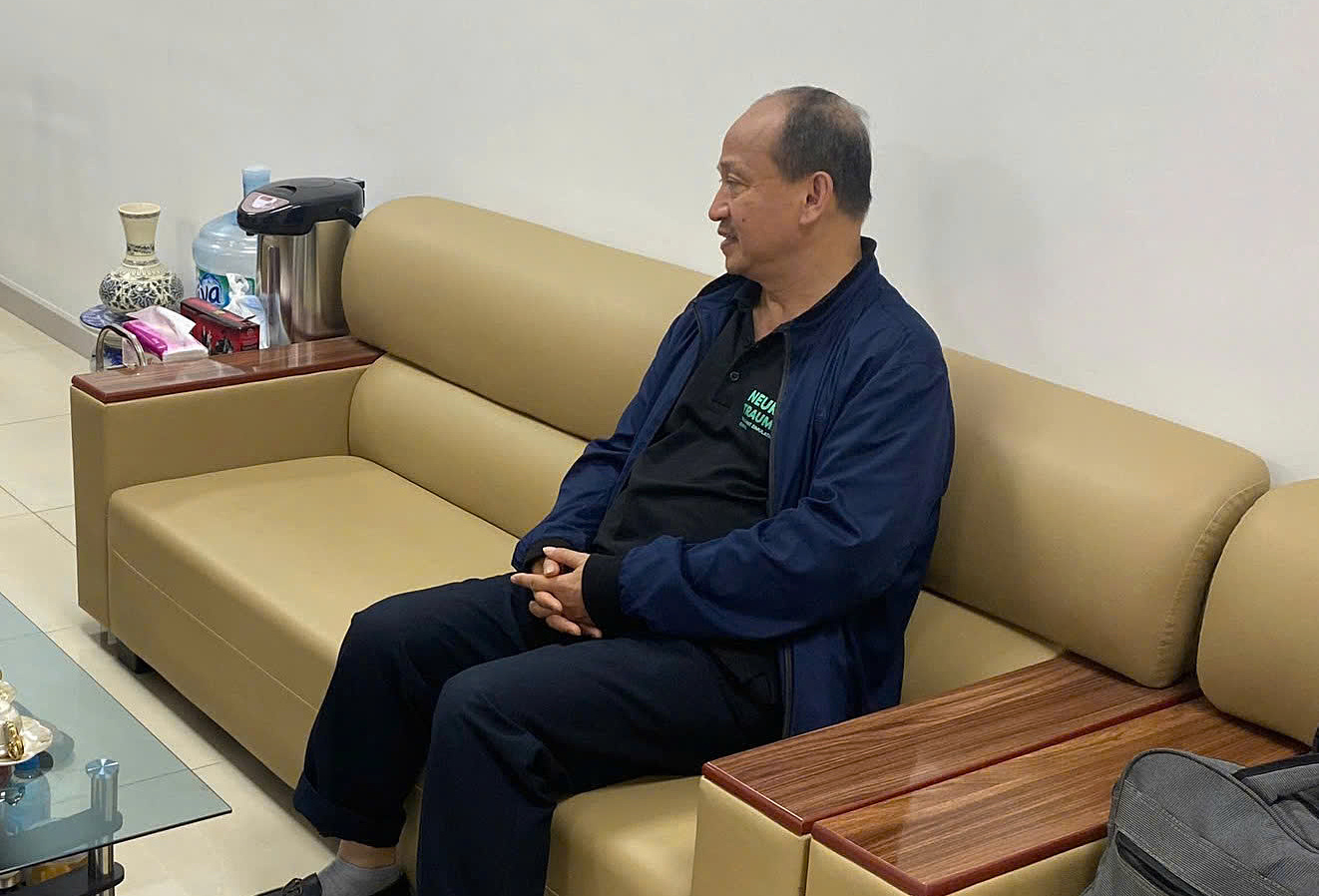 |
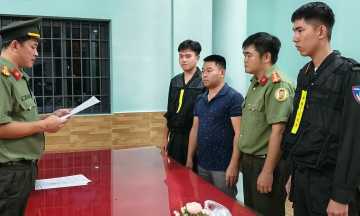
Suspect Tran Phi Hung. Photo: Police provided |
According to C04, this was a large-scale, organized, transnational caffeine smuggling ring. Caffeine was transported from abroad into Vietnam, then through Laos to Myanmar, where it was used to produce synthetic drugs.
The criminal group exploited differences in legal regulations between countries and lenient electronic customs clearance processes. They established the smuggling ring using sophisticated methods.
Specifically, China classifies caffeine as a psychotropic substance. In Laos, caffeine is regulated as a drug precursor, with offenses punishable by death. However, in Vietnam, caffeine is licensed for organizations and individuals for medical, pharmaceutical, food, or industrial purposes and is not considered a drug precursor.
Exploiting this loophole, Doctor of Pharmacy Tran Phi Hung established a network for trading and transporting large quantities of caffeine. The operation began with Khoi Nguyen Company and Chemical Pharmaceutical - Pharmaceutical one Company, both licensed to import caffeine for medical purposes. Hung orchestrated contracts for caffeine sales, colluding with Cao Thi Lien and Trinh Thi Hoa to find buyers and distributors in third countries such as Laos and Myanmar.
To legitimize the caffeine smuggling, Hung directed his son and nephew to establish Vinh Hoang Company and Van Phuc Company. These companies then signed fictitious caffeine purchase and sale contracts. He then issued fake invoices to phantom customers, deliberately omitting information to prevent police from tracing the caffeine's movement.
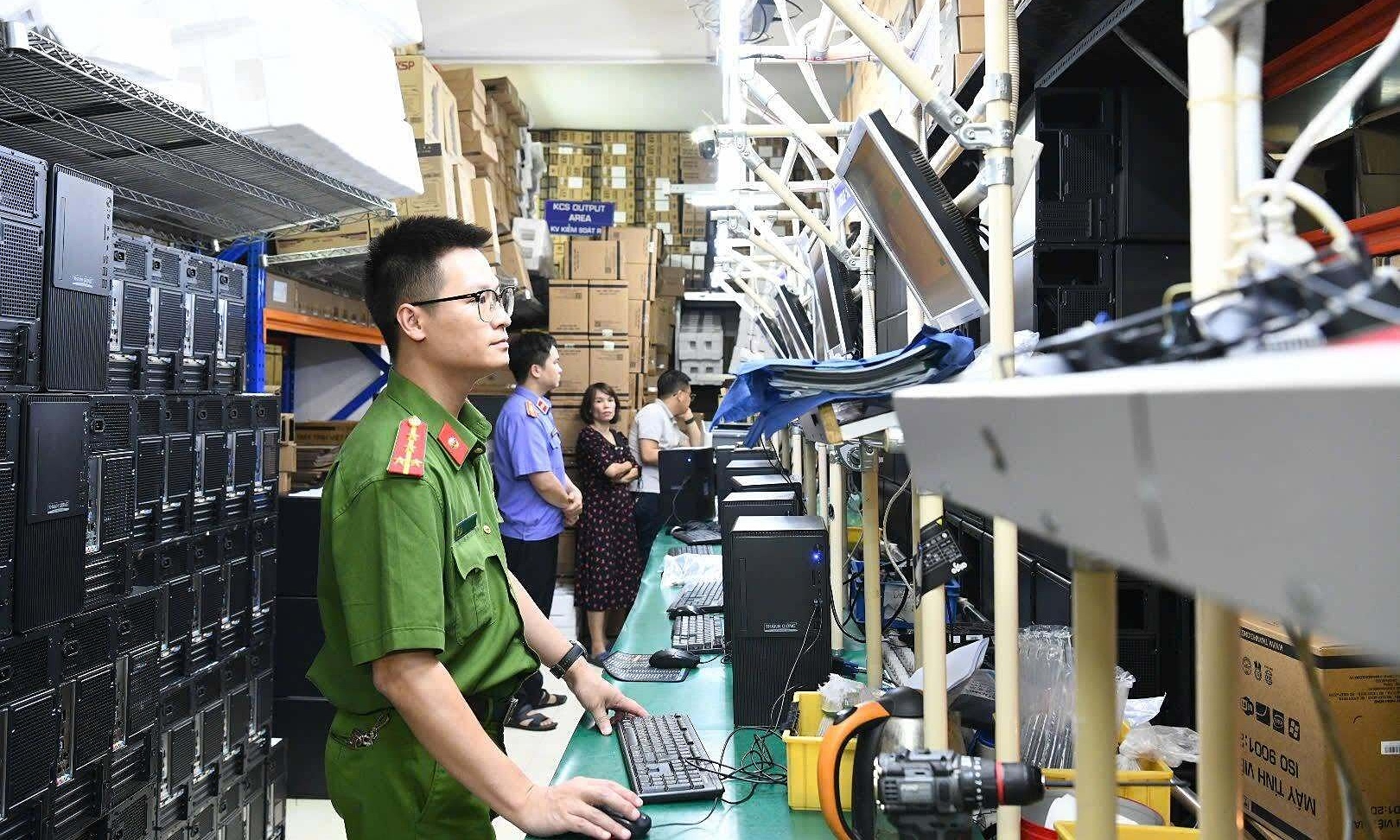
The caffeine was transported to the T&T VINA Co., Ltd. warehouse in Nghe An. There, the smuggling ring changed the packaging, disguising the caffeine as cement bags or animal feed. This allowed the caffeine to be hidden among regular goods declared for customs clearance.
For the caffeine transactions, the ring hired Vietnamese individuals in Laos to transfer money into acquaintances' accounts, legitimizing the funds for profit sharing.
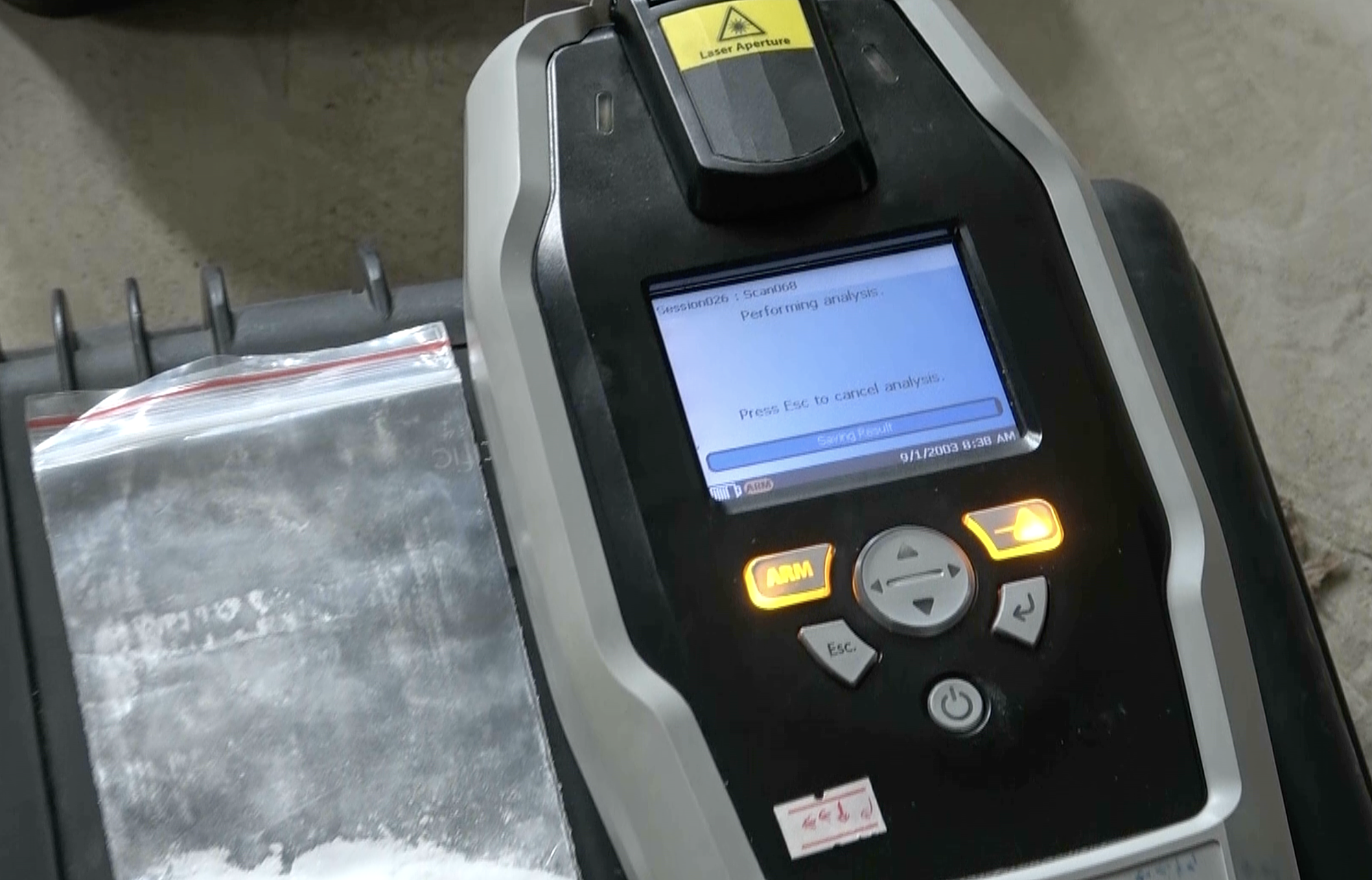 |
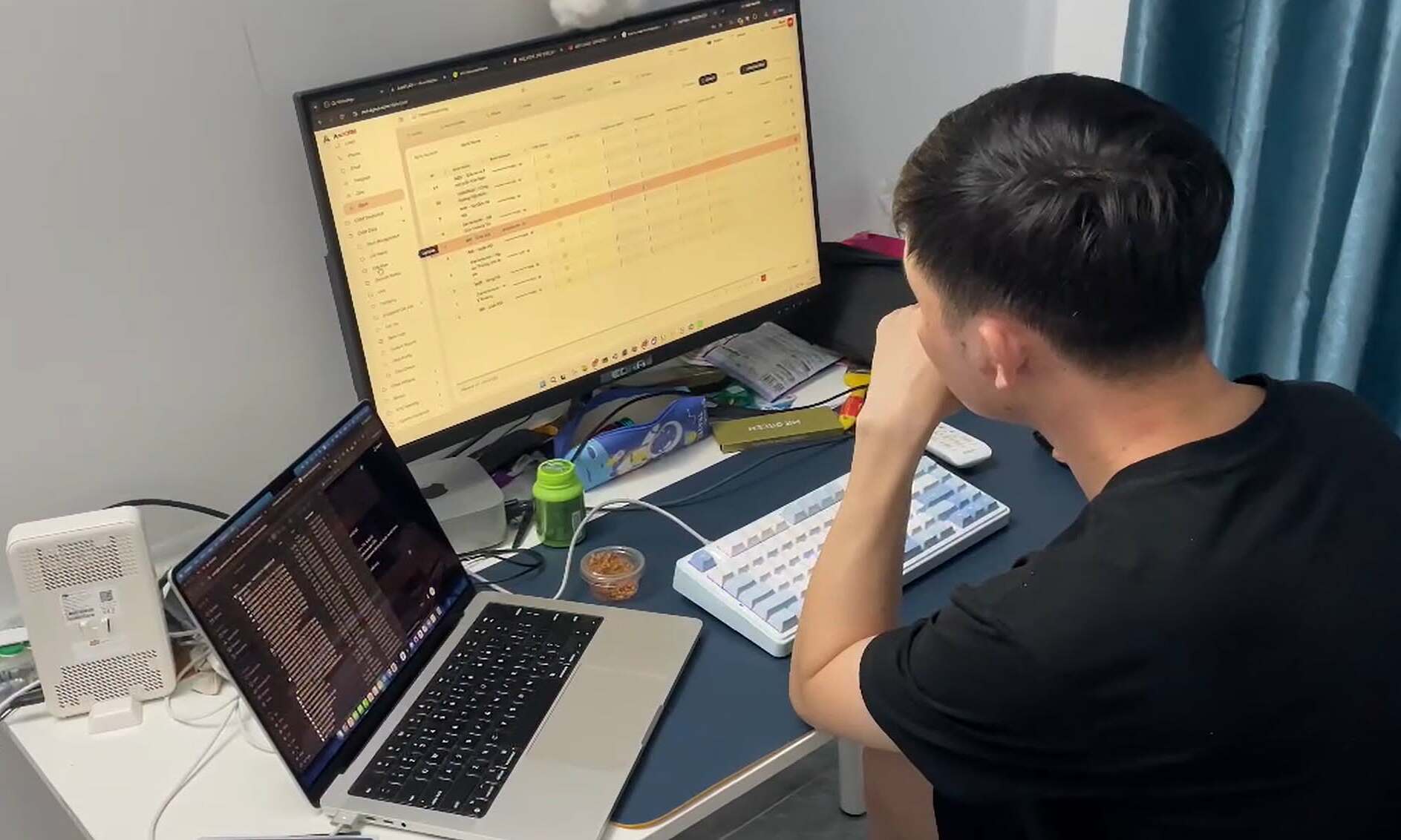
Seized evidence. Photo: Police provided |
On 27/2, police dismantled the operation, seizing 19 tons of caffeine that had passed customs without proper declaration. This shipment was found mixed in with regular goods belonging to T&T VINA Co., Ltd., which was preparing for transport through Laos to Myanmar.
Including the goods hidden in Vietnam, police have now seized a total of 50,7 tons of caffeine, six oto, 12 computers, and 25 mobile phones. Police also froze and temporarily suspended transactions for 60 bank accounts and verified seven real estate properties linked to the suspects in the case.