Phoenix, Arizona, agreed last week to pay USD 605,000 in compensation to the wife of Ronald Shuck, 76, who died after being dropped by firefighters from a staircase on 5/1/2024.
Shuck's wife had called 911 when he felt unwell. Firefighters responded and, instead of a standard stretcher, moved him in a wheeled office chair. Ronald fell backward from the chair, rolling down concrete stairs to the ground, an incident his wife witnessed.
Due to severe injuries, Shuck entered a vegetative state and died 18 days later. His family accused the firefighters of hastening his death.
The lawsuit filed by his wife alleged the Phoenix Fire Department used "improperly trained and grossly negligent" firefighters.
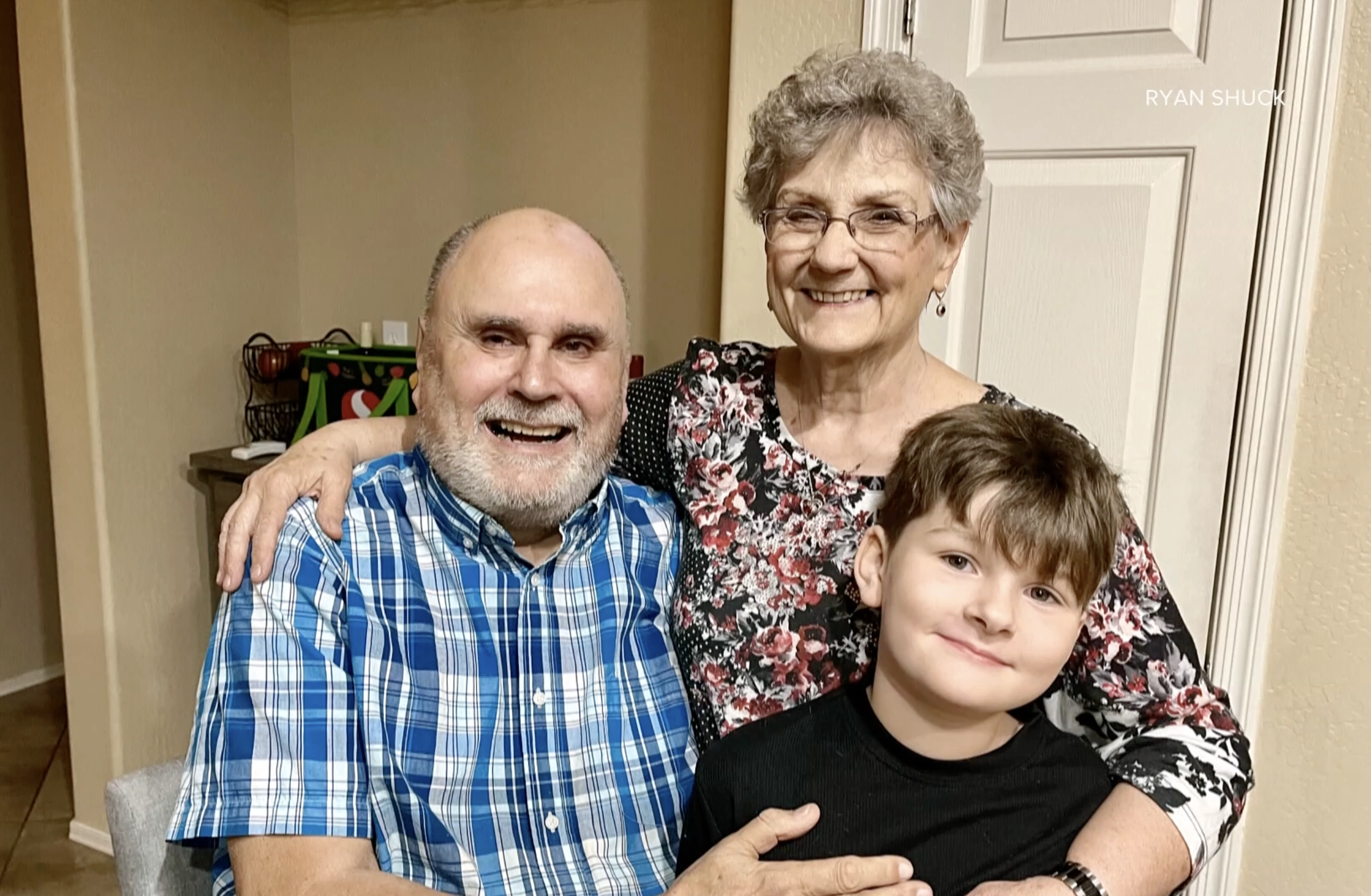 |
Ronald Shuck with his wife and grandson before the incident. Photo: 12 News |
Why do firefighters respond when there is no fire?
In many US states and cities, firefighters function as emergency medical services (EMS), responding to medical emergencies even when there is no fire.
Firefighters often arrive faster than ambulances due to densely located fire stations, ensuring short response times. Many jurisdictions mandate that fire trucks deploy immediately upon an emergency call, with ambulances following or arriving simultaneously.
Firefighters are trained and certified in emergency care; many are also emergency medical technicians. They can administer first aid, resuscitation, use defibrillators, and provide respiratory support before patients are transported.
Most fire department calls in the US are for rescue operations, not fire suppression.
In many cities, 70-80% of fire department deployments address medical calls, traffic accidents, falls, technical rescues, or other urgent situations. Fires constitute only one-fifth of calls.
Hai Thu (According to Law and Crime, Fire Engineering)