Julie Ann Gonzalez and George De La Cruz were high school sweethearts who moved in together after graduation and had a daughter.
The couple married in 5/2009, but their relationship quickly deteriorated due to financial difficulties and George's gaming addiction. While Julie secured a good job as a pharmacy technician, George was unemployed, played video games constantly, and left his wife to bear most of the family's responsibilities.
After separating for about one month, Julie filed for divorce in 12/2009, though George had not yet signed the papers. The couple shared custody of their daughter.
Subsequently, Julie rekindled her relationship with a former boyfriend, Aaron Breaux, and began building a new life.
Suspicious messages
On 26/3/2010, 21-year-old Julie Ann Gonzalez suddenly disappeared. A post on her social media account read: "I met a man named James and will be living with him in Colorado." When responding to confused family members' messages, she asserted she was fine and reiterated her desire to leave her home state of Texas.
However, Aaron could not understand why Julie would leave with another man. On 25/3, she had spent the night at Aaron's house, leaving the next morning to pick up her daughter from her soon-to-be ex-husband. Julie left Aaron a two-page handwritten love letter on his pillow, expressing her desire to marry him and have his children.
"I still can't believe how lucky I am to be with you," Julie wrote.
Late on 26/3, Aaron unexpectedly received a breakup text message from Julie, but she did not answer his calls. Suspecting the sender was not Julie, Aaron texted back, asking for his middle name to verify her identity. He received no response.
Julie's family also grew suspicious because the replies contained misspellings, abbreviations, and slang, which were completely unlike Julie's usual communication style. They also found it unbelievable that Julie would abandon her 2-year-old daughter.
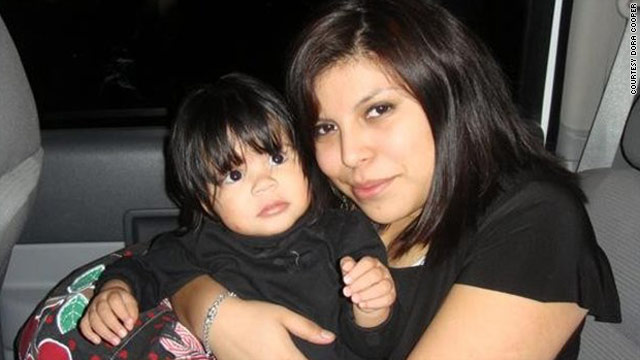 |
Julie Gonzalez and her daughter. Photo: CNN |
The family reported Julie missing to the Austin Police Department. However, as Julie was an adult and potentially left voluntarily, police initially believed they had limited options.
Determined to find Julie, the family retraced her possible route from Aaron's apartment to George's house to pick up their daughter. They discovered Julie's oto abandoned in a nearby pharmacy parking lot.
When questioned by police, George claimed that on the morning of her disappearance, Julie "acted strangely" and asked him to watch their daughter that weekend because she had "things to do." He allowed police to search his home, but nothing suspicious was found.
A 'no body' case
In 5/2010, George appeared on The Dr. Phil Show, agreeing to a polygraph test, claiming he had "nothing to hide." However, he failed the test.
Experts indicated George showed signs of deception when providing negative answers to questions such as "Are you responsible for Julie's disappearance?" and "Did you make Julie disappear in 3/2010?"
"I didn't do it. I just think I should have stopped her," George said tearfully backstage when questioned about the results.
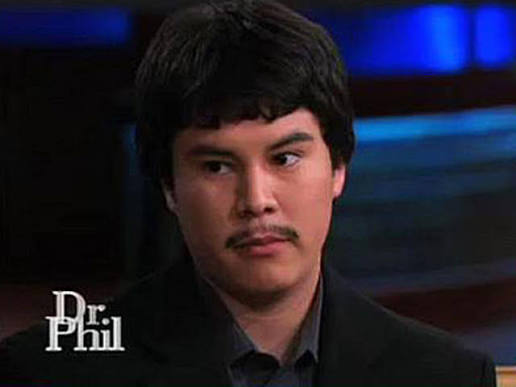 |
George De La Cruz on The Dr. Phil Show. Photo: CBS |
Polygraph results are not considered legal evidence, but they helped intensify focus on the case.
Austin police quickly escalated their investigation, discovering no evidence that Julie had ever met a man named James or fled the area as suggested by the social media posts.
"There was no trace of her anywhere. That is when the case shifted from a missing person investigation to a homicide inquiry," said detective Rogelio Sanchez.
Cass Castillo, a former assistant state prosecutor in Florida and now a consultant on "no body" cases, explained that information about Julie's family, work, and relationships became circumstantial evidence, helping prosecutors prove it was a murder.
"The first thing you have to prove is that she's dead, not that she simply left," Mr. Castillo said. According to the former assistant prosecutor, after Julie disappeared, all traceable activities, such as financial transactions, social security records, and phone usage, abruptly ceased. This complete "disappearance" was one of the pieces of evidence indicating her death.
The perpetrator behind the charade
Investigators gathered digital forensic evidence linking George to Julie's disappearance.
They discovered that numerous posts on Julie's social media profile, supposedly made from Colorado after she vanished, originated from the vicinity of George's home. Furthermore, in the first 48 hours after Julie disappeared, her phone consistently connected to cell towers at locations where George was confirmed to have been present. This raised suspicions that he was using Julie's phone and social media accounts to create a facade that she was still alive.
Investigators also found that George, a "gaming addict" who typically spent up to 18 hours a day playing, had an unexplained 20-hour gap in his gaming activity on the day Julie disappeared.
Cameras also recorded George using Julie's debit card to make purchases at a supermarket shortly after she vanished.
On 13/9/2013, George was arrested. While in custody, he allegedly confessed to another inmate, who later testified against George at trial.
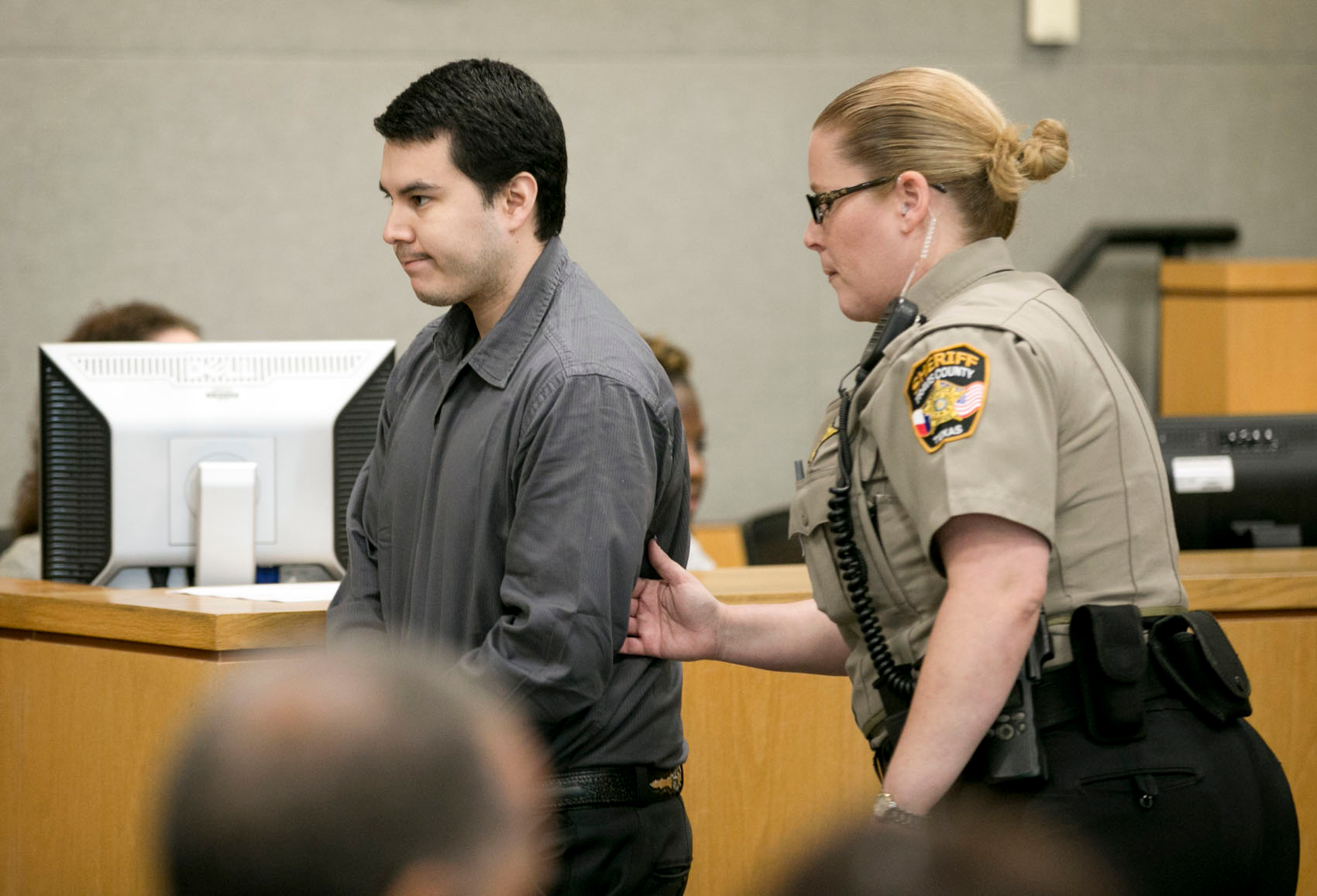 |
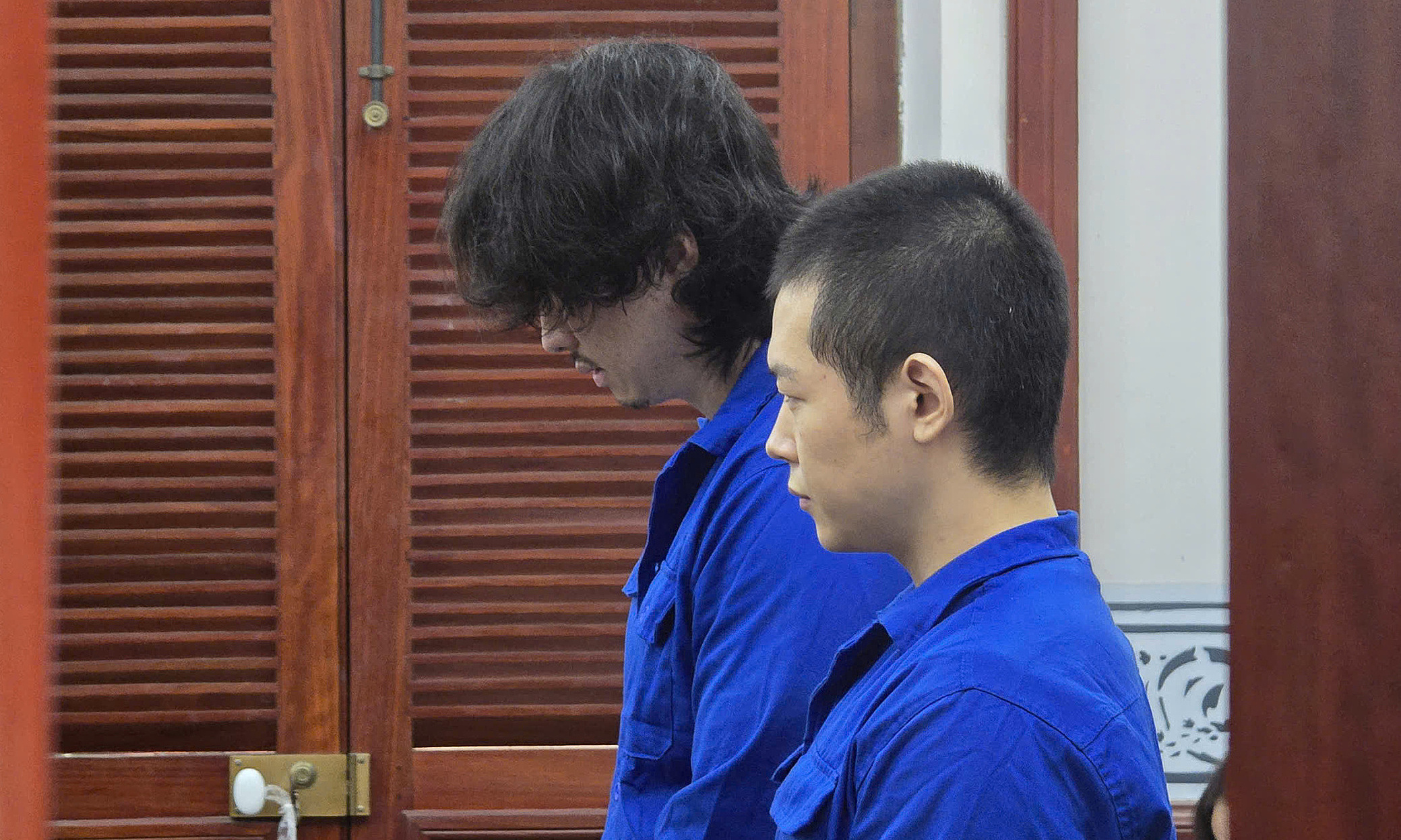
George De La Cruz in court in 2015. Photo: Austin American-Statesman |
Despite his persistent claims of innocence, George was convicted of Julie's murder on 22/4/2015 and sentenced to life in prison, with a minimum of 30 years before parole eligibility.
Prosecutors believed the motive for the crime was George's inability to accept Julie leaving him permanently and moving on with another man.
Prosecuting without a body
Prosecutors stated that charging George with murder was not an easy decision.
A crucial factor in dispelling any jury doubts about Julie potentially being alive was the prosecution's presentation of evidence demonstrating no signs or proof of the victim being alive after her disappearance.
Mr. Castillo argued that the paradox of "no body" cases is that they sometimes offer an advantage to the prosecution. In the process of proving the victim's death, prosecutors can present extensive evidence about the victim's life, work, and relationships to show they had no reason to voluntarily disappear. This not only strengthens the argument that the victim is deceased but also fosters empathy in the jury, making them more inclined to seek justice for the perpetrator.
Tue Anh (according to AETV, Oxygen)