The Politburo has agreed in principle to approve the proposal to develop the public lawyer institution within Vietnam's current socialist rule of law state. According to the conclusion issued on 7/4, the pilot program will be implemented in 8 ministries: National Defense, Public Security, Construction, Finance, Justice, Industry and Trade, Foreign Affairs, and Agriculture and Environment. It will also be rolled out in the People's Committees of 10 provinces and cities: Hanoi, Ho Chi Minh, Da Nang, Hai Phong, Can Tho, Quang Ninh, Lam Dong, Khanh Hoa, Dong Nai, and Bac Ninh.
The pilot period will run from 1/10 to 30/9/2028.
A public lawyer is defined as an official, civil servant, public employee, People's Public Security officer, People's Army officer, or an employee in a state-owned enterprise who holds a lawyer's practicing certificate. This definition does not include public employees currently providing legal aid.
In addition to existing standards, public lawyers must possess at least 5 years of experience in law or litigation and judicial activities, have participated in resolving complex legal cases, and demonstrate a strong political ideology, professional ethics, and integrity.
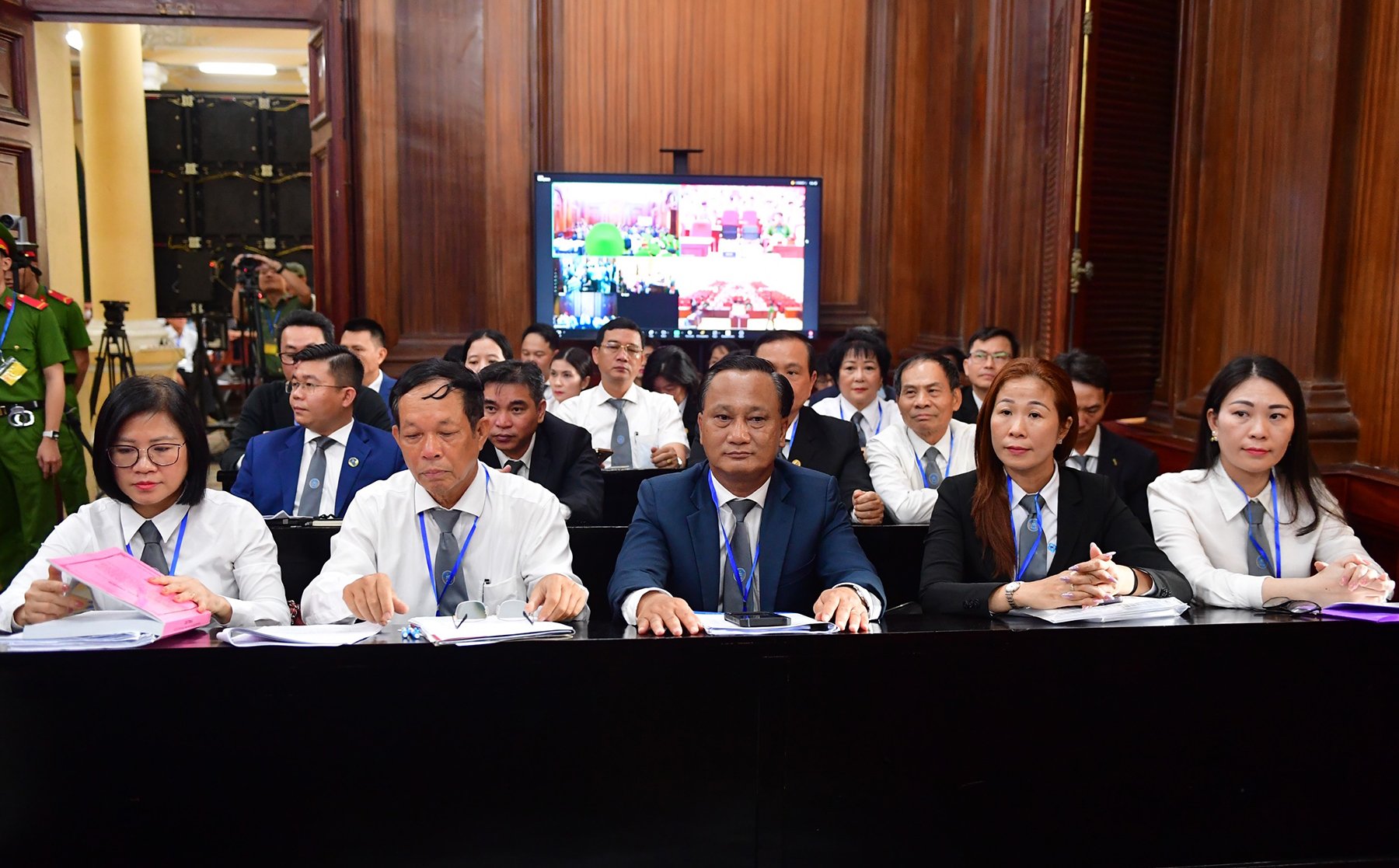 |
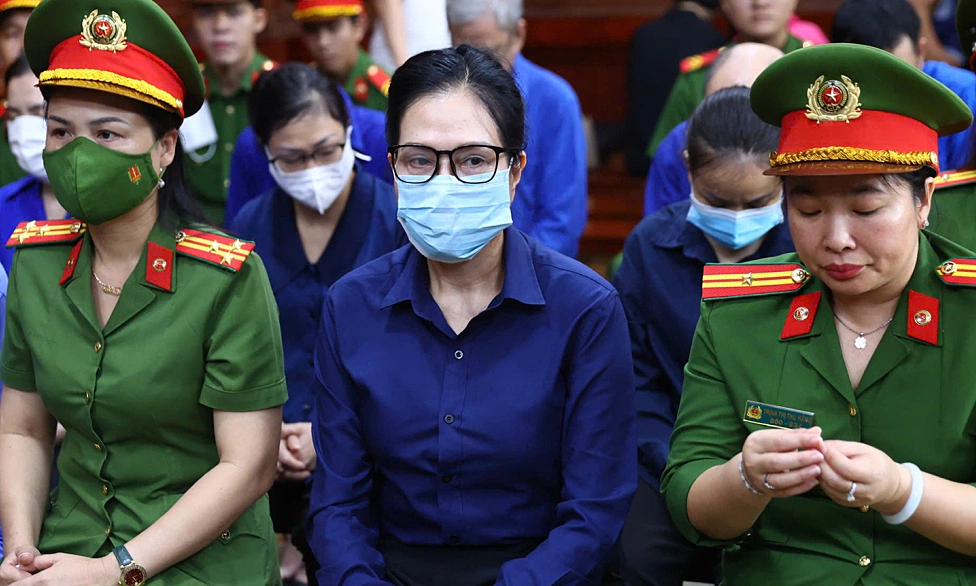
Lawyers participate in defending defendants and protecting the legitimate rights and interests of victims and related parties in the 2024 vehicle registration fraud case. *Photo: Thanh Tung*
Representing the state in disputes, no independent organization to be formed
Public lawyers will advise and represent state agencies, organizations within the political system at central and local levels, and state-owned enterprises. They will participate in legal proceedings and resolve domestic and international lawsuits and disputes concerning investment, trade, public international law, private international law, administrative law, and civil law. They will also participate in civil and administrative judgment enforcement processes as regulated.
They will also provide legal advice during the development and implementation of socio-economic projects. Furthermore, they will be involved in handling complex and protracted complaints and denunciations, and other legal work within state agencies, political organizations, and state-owned enterprises.
The Politburo has stipulated that no independent public lawyer agencies or organizations are to be established. The agencies where public lawyers are employed will directly manage them according to regulations applicable to officials, civil servants, public employees, Public Security officers, Military officers, and employees of state-owned enterprises.
The government will uniformly manage public lawyers nationwide, while local authorities will manage them within their respective jurisdictions. The Vietnam Bar Federation and provincial and city bar associations will serve as the socio-professional organizations for public lawyers.
According to the conclusion, public lawyers will receive salaries, monthly support, and other benefits and policies similar to those of officials, civil servants, public employees, and armed forces officers. They will also receive remuneration or fees based on specific cases, along with other appropriate and superior preferential policies.
The Politburo has assigned the National Assembly Party Committee to direct the National Assembly to approve a Resolution on piloting the public lawyer institution during its first session. Concurrently, it will refine policies related to lawyers, including the development of a public lawyer team.
The Government Party Committee has been tasked with drafting a Resolution on piloting this institution, to be submitted to the National Assembly at its first session.
Vu Tuan