This proposal is part of a draft decree on preventing and combating cybercrime and high-tech crime, for which the Ministry of Public Security is currently seeking feedback. The draft decree includes regulations for managing groups on online platforms.
Administrator identification
Article 7 of the draft decree proposes that social media, telecommunications, and internet service providers must electronically identify and authenticate information of group administrators as regulated. This provision aims to ensure transparency regarding the identities of those managing online communities.
Service providers must also establish management and monitoring mechanisms to prevent the misuse of groups for illegal activities. They are required to implement technical measures to detect, warn, and address groups showing signs of violations.
Upon request from competent authorities, service providers must furnish information and data related to these groups. Additionally, they need to develop technical mechanisms and solutions to collaborate with specialized agencies in reviewing and detecting infringing accounts and posts.
The timeframe for coordinating the handling of reports is stipulated as no more than 24 hours for regular requests and no more than 3 hours for urgent cases threatening national security or human life.
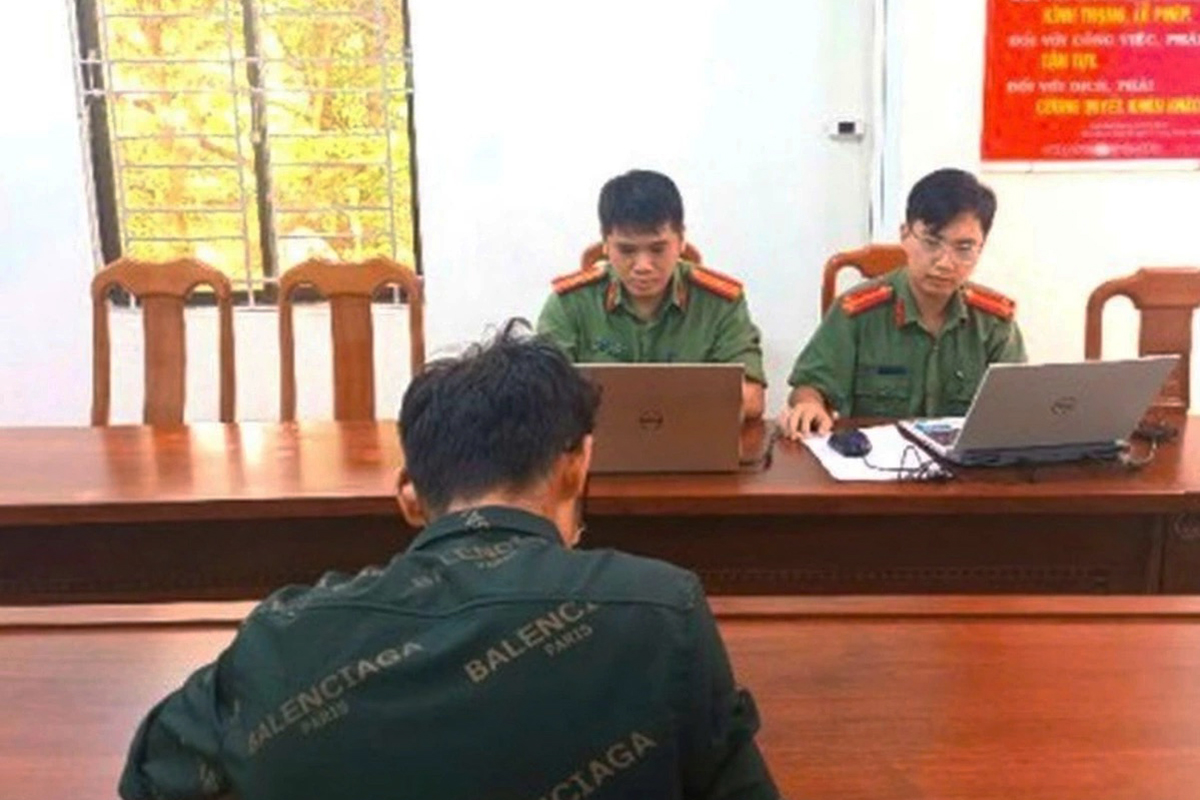 |
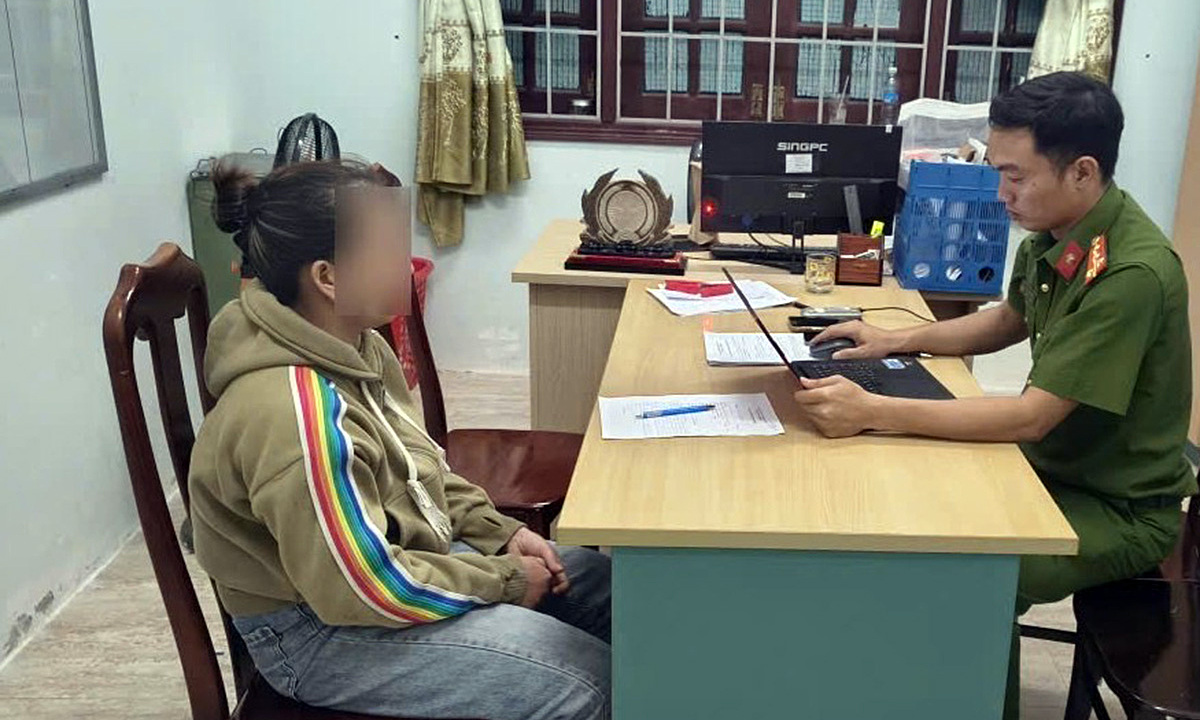
Cong an tinh Gia Lai lam viec voi quan tri vien nhom Facebook (ao den) vi pham. Anh: Tran Hoa
Responsibilities of administrators and moderators
The draft decree stipulates that administrators and content moderators of social media groups are legally responsible for the group's activities. They are obligated to organize and operate the group in compliance with legal regulations.
Group administrators must establish rules consistent with laws, terms of service, and cultural norms. They are also responsible for monitoring members and posted content, promptly removing any infringing material.
When signs of violations are detected, group administrators must report them to the service provider or competent authorities.
Participants are not exempt from responsibility
Individuals participating in online groups are also assigned responsibilities. Each participant must comply with laws, group rules, and terms of service.
Users are prohibited from posting, sharing, or commenting on content that violates the law within groups. They are encouraged to report wrongful acts to group administrators or functional agencies.
Upon request, participants are responsible for cooperating and providing relevant information to assist in verification and handling of cases.
According to the Ministry of Public Security, the management of online groups must adhere to principles respecting freedom of speech, privacy, and other legitimate rights and interests of organizations and individuals.
The draft decree encompasses multiple chapters and articles, providing comprehensive regulations on preventing and combating cybercrime and high-tech crime. Beyond group management, the document proposes measures for collecting and providing electronic data, freezing and temporarily suspending transactions, managing digital accounts and assets, and defining the responsibilities of related organizations and individuals. The goal is to enhance the effectiveness of preventing, detecting, and addressing violations, thereby ensuring security and order in cyberspace.
Quoc Thang