John McAvoy, 42, based in London, now leads projects that inspire disadvantaged children. "For a long time, my identity was tied to crime," McAvoy stated. "But my time in prison set me free."
Born into a criminal family, McAvoy's uncle, Micky, masterminded the Brinks-Mat robbery, the UK's largest gold heist. In 1983, 26 million British pounds worth of gold bullion was stolen from a warehouse near Heathrow Airport. John's stepfather, Billy Tobin, was a notorious armed robber who became a millionaire by the age of 20. Other family members were involved in money laundering, drug dealing, and fencing stolen cars.
McAvoy quickly embraced a life of crime, purchasing a gun at 16. At 18, he received a five-year prison sentence for conspiracy to rob, spending his first year in solitary confinement. He was released after serving half his term.
Less than 18 months later, McAvoy was caught planning an armored car robbery. "Look out the window, John, you won't be seeing this for a long time," a police officer told him.
McAvoy was sent to Belmarsh prison, known for housing notorious criminals like Charles Bronson and Ian Huntley. His new neighbors included four terrorists who plotted suicide bombings in London on 21/7/2005.
A life-changing turning point
At 24, McAvoy received two life sentences for possession of firearms and conspiracy to rob.
McAvoy's world changed on 14/11/2009, when his best friend, Aaron Cloud, died in a car crash while fleeing Dutch police after an ATM robbery. McAvoy learned of Aaron's final moments watching the 22h news in his cell. "That was the first time I had cried since I was an adult," McAvoy recalled.
The profound loss made McAvoy realize the value of life. He reflected that he might have been in the car with his friend that night if he hadn't been in prison. He no longer wanted to live a criminal life or "rot in this cage."
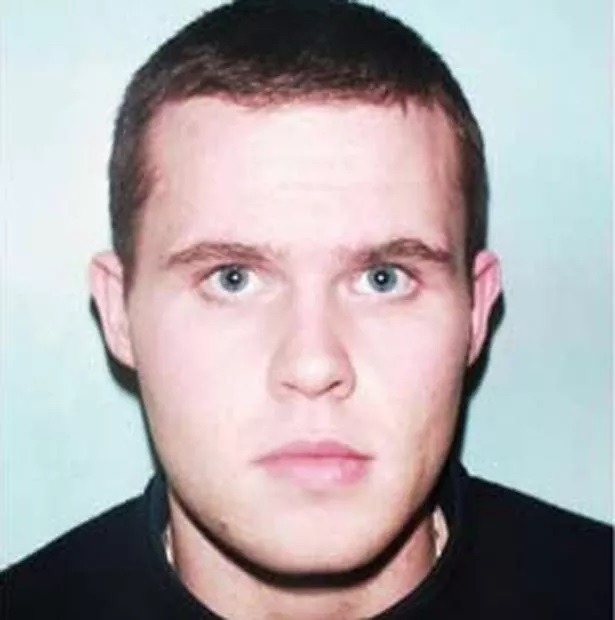 |
John McAvoy bought a gun at 16 and was imprisoned at 18. *Photo: The Sun* |
The next morning, McAvoy saw a fellow inmate using a rowing machine in the gym, attempting to row 1,000 km to raise funds for a children's hospice. McAvoy joined the effort.
During his first session, he rowed 32,000 m, finding himself captivated by the numbers on the machine, a rush of euphoria. "It felt like I had created a little gateway out of the prison. It liberated me," McAvoy shared.
In just one month, McAvoy rowed 1,000 km. He then challenged himself to row 5,000 km, a distance equivalent to crossing the Atlantic Ocean.
Prison officer Darren Davis noticed McAvoy's talent. Days later, Davis showed him a list of world and British indoor rowing records, planting the idea of breaking them in McAvoy's mind.
McAvoy subsequently broke the British long-distance rowing record by over eight minutes. Under Davis's supervision, he shattered seven British and three Guinness world records, all within the prison's dilapidated gym.
Davis even came to the prison on his days off to supervise McAvoy's 24-hour rowing record attempt, witnessing him successfully cover over 260 km.
At a parole hearing shortly after, someone expressed doubt about McAvoy's plan for a changed life. He recounted: "He pushed his glasses up his nose and said, 'You are the first person to sit in front of me and say that when you get out of prison, you want to become a professional athlete'. He didn't think this plan was based on reality."
Escaping incarceration through relentless effort
McAvoy was transferred to a low-security open prison in Derbyshire and offered a fitness instructor qualification as a backup plan. He worked five days a week at Fitness First in Burton-on-Trent, returning to HMP Sudbury each evening.
Released shortly after the London 2012 Olympics, McAvoy immediately set out to fulfill what he had stated at his parole hearing. He aimed for the London Rowing Club, a training center for top athletes.
While incarcerated, McAvoy emailed the head coach. The club typically did not accept amateur rowers, but McAvoy's indoor rowing achievements were so impressive that they gave him a chance.
However, age was not on McAvoy's side. To reach Olympic level, he needed to have started rowing as a teenager. Technically, his talent was undeniable, but he would never reach Olympic level. So, McAvoy decided to switch to Ironman, a long-distance triathlon combining swimming, cycling, and a marathon run.
With only six weeks of preparation, he entered Ironman UK 2013, teaching himself to swim and buying a bike on eBay. McAvoy completed the race in under 12 hours amidst torrential rain.
After years of exhaustive training, in 2016, McAvoy's parole officer allowed him to leave the UK for Frankfurt, Germany, to compete in the Ironman European Championship. He won his age group, finishing the race in 9 hours and 10 minutes.
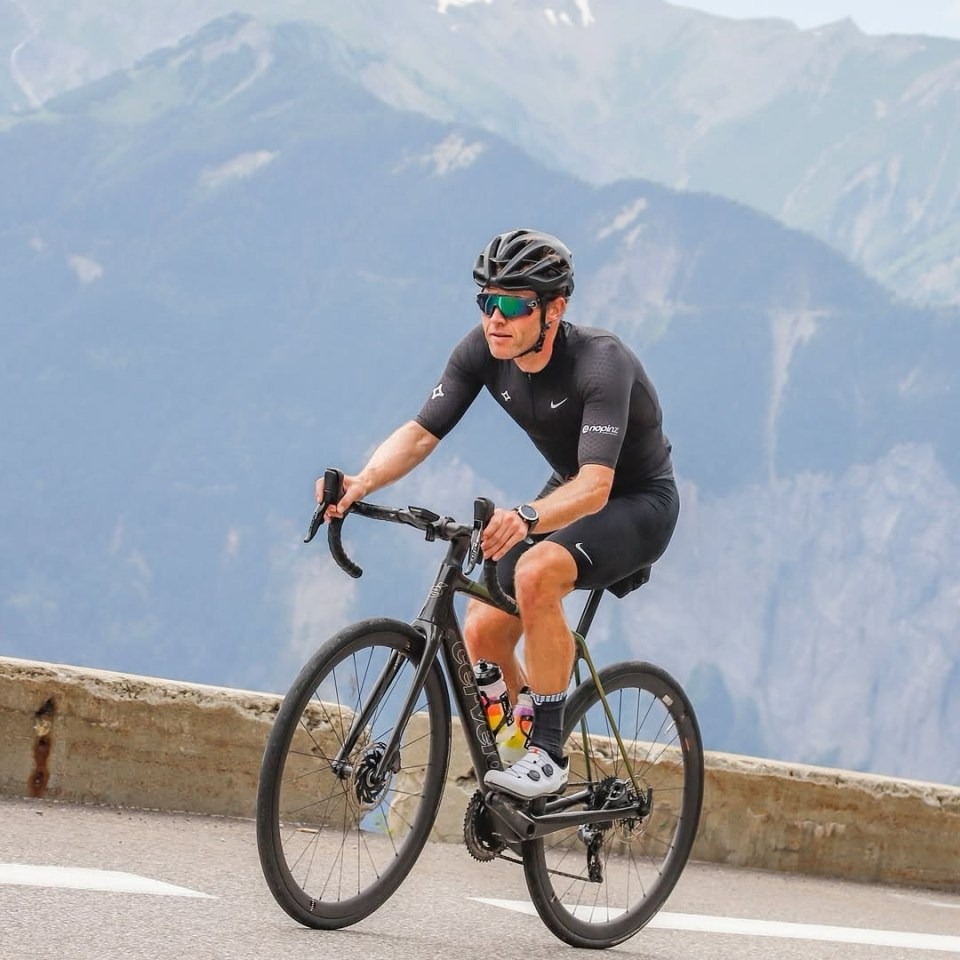 |
John McAvoy became an Ironman champion. *Photo: Jonnymac83* |
The story of the former inmate, struggling to make a living while striving to become a professional triathlete, reached Nike executives, bringing McAvoy new opportunities.
He gave presentations at schools and established a three-year project with Nike, called Open Doors. This initiative aimed to provide disadvantaged children with access to school sports facilities during holidays, along with free healthy meals.
When then-Home Secretary Sajid Javid lifted the parole conditions of McAvoy's life sentence in 2019, he moved to Alpe d'Huez, one of the mountains featured in the Tour de France cycling race.
While participating in the Ultra Trail du Mont Blanc race, McAvoy was inspired to launch the Alpine Run Project in 2023. This project aims to empower young people through trail running.
In his 2017 book, *Redemption*, McAvoy recalled thinking at 16 that his achievements would "surpass both stepfather Billy and even Uncle Micky." He accomplished this, in a way far grander than teenage John McAvoy had ever imagined.
Tue Anh (Source: The Sun)