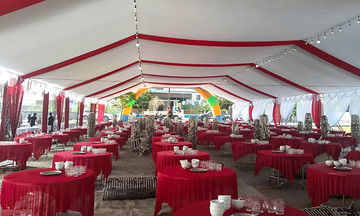
On 24/1, 100 lavish banquet tables were set up in a vacant lot in rural Jiangsu province. A large stage was erected, and chefs prepared hundreds of hot dishes. The day before, the host posted an open invitation on social media, hoping to welcome 1,000 strangers, including netizens and local residents, to enjoy a free feast.
However, contrary to expectations of a lively scene, the area remained deserted when the feast was scheduled to begin. Villagers stood observing from a distance; no one approached the tables or began eating. In the cold weather, hundreds of dishes grew cold. The female blogger broke down in tears amidst the empty tables, admitting her oversight.
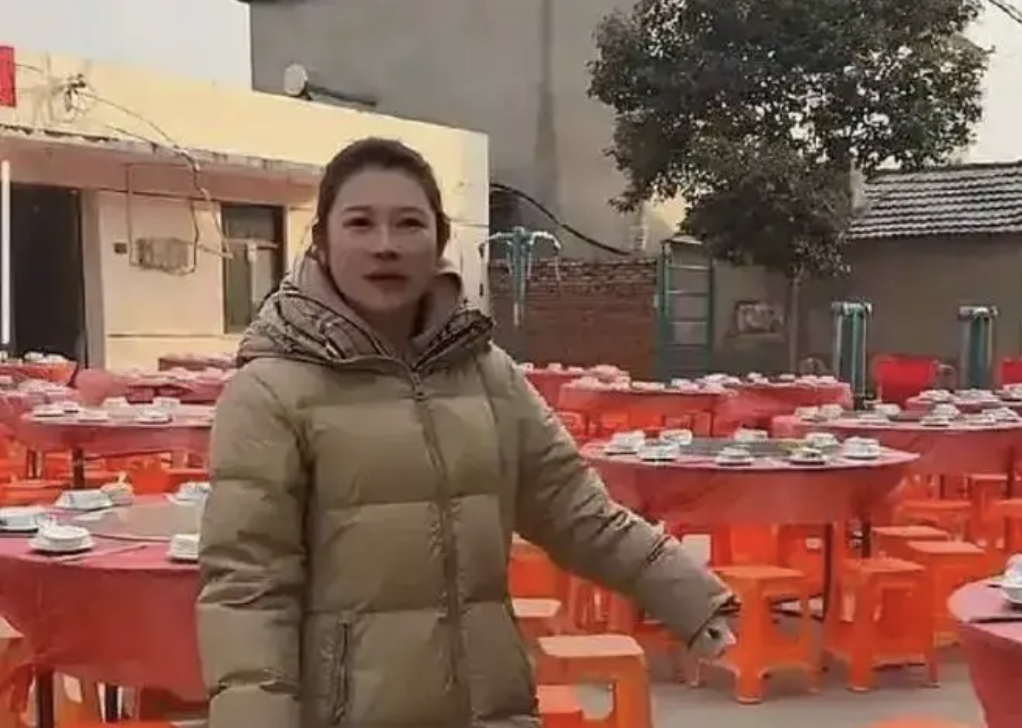 |
The blogger in Jiangsu province stands beside 100 prepared tables on 24/1, which no one attended. *Sohu* |
The woman's actions stemmed from the "Paozhutang" (pig slaughter feast) trend, which gained significant traction in China in early 2026. Previously, a blogger named Dai Dai in Chongqing attracted tens of thousands of strangers to a rural feast simply by posting an online invitation. Dai Dai's event not only brought her fame and earned her over 4 million yuan (approximately 14 billion dong) but also boosted local tourism.
Seeking to replicate this success, the Jiangsu woman invested a large sum to hire organizers. However, she failed to account for regional cultural differences.
According to the village party secretary, the culture in the Sichuan - Chongqing region, where the trend originated, is known for its generosity and emphasis on gatherings, viewing the invitation of strangers as a form of hospitality. In contrast, residents of the Jiangsu - Zhejiang region are more reserved and value traditional etiquette. They believe that "auspicious and inauspicious events" (such as weddings and funerals) must follow specific customs, and guests without a direct invitation will not attend.
A stranger suddenly hosting a large feast made local residents wary. They questioned the host's motives, fearing issues related to gift money or food safety, and chose to keep their distance. Furthermore, organizing a large gathering without prior notification to local authorities was also considered a violation of community norms.
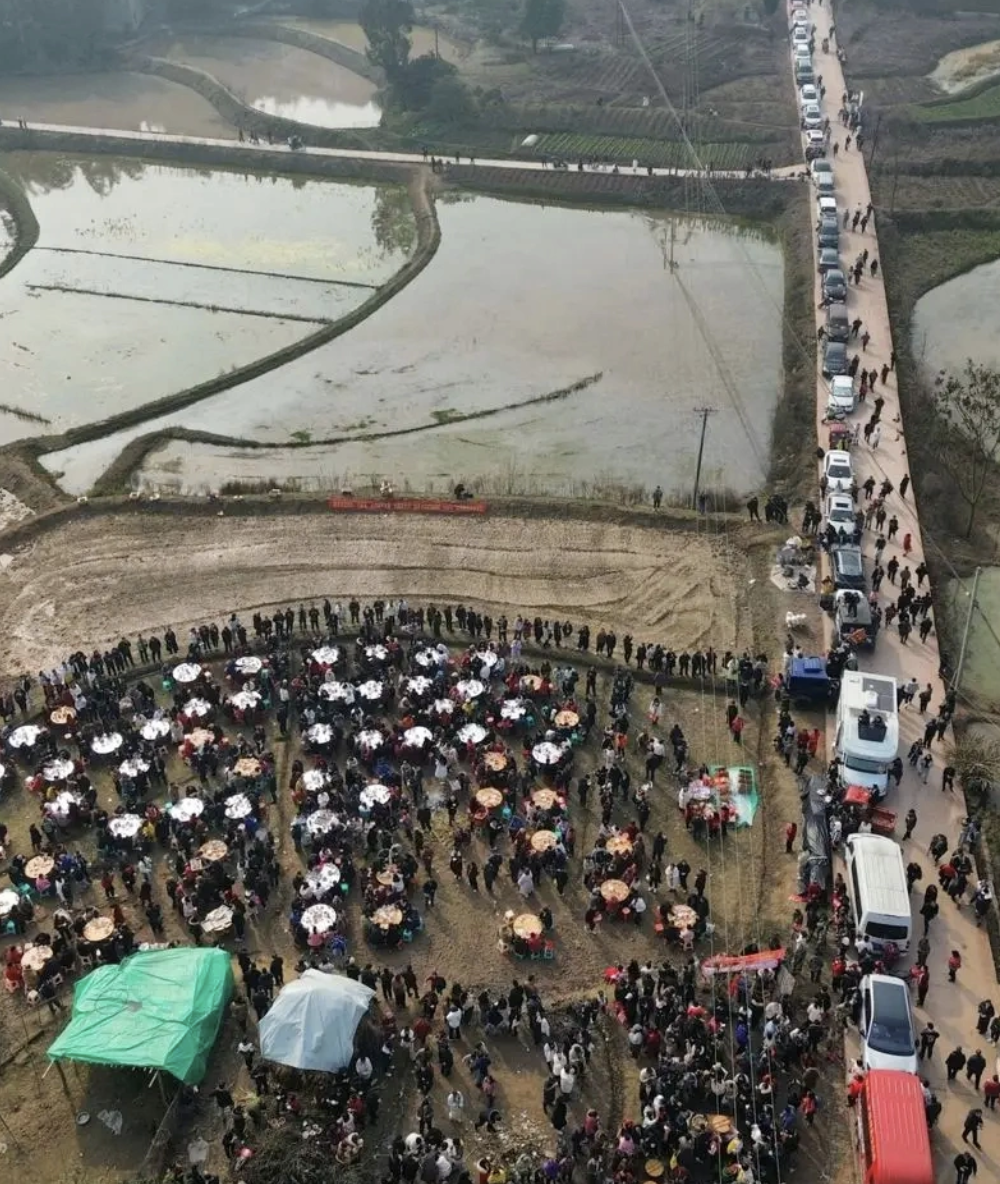 |
Traffic congestion in Qingfu village, Hechuan district, Chongqing, caused by 10,000 guests attending a "pig slaughter feast" on 11/1. *World Journal* |
Ultimately, to avoid waste, the blogger had to deliver all the food to local nursing homes and struggling households.
The incident became a widely discussed topic on Chinese social media in recent days. Most opinions suggested this was a valuable lesson for content creators: Blindly adopting online trends without considering real-world cultural factors can lead to unintended consequences.
Minh Phuong (According to Sohu)