Freezing bread, a common practice to prevent mold, offers unexpected health benefits beyond simple preservation, according to nutrition experts. This method alters the bread's chemical structure, providing advantages over storing it at room temperature.
When bread is baked, its starch gelatinizes, making it easily digestible but also leading to rapid blood sugar increases. Yet, a beneficial transformation occurs when bread cools and is chilled: "starch retrogradation." During this process, starch molecules rearrange, forming resistant starch, a type of fiber less easily broken down by the body.
Avery Zenker, a US nutrition expert, highlights storage temperature as crucial. While refrigeration creates the most resistant starch, it can quickly dry and harden bread due to moisture loss. Freezing, however, preserves the bread's texture and flavor more effectively, while still encouraging resistant starch formation, particularly when thawed and re-toasted.
A study in the European Journal of Clinical Nutrition revealed that bread frozen and then re-toasted can reduce the blood sugar response by nearly 40% compared to fresh bread. This implies lower calorie absorption and more stable post-meal blood sugar levels.
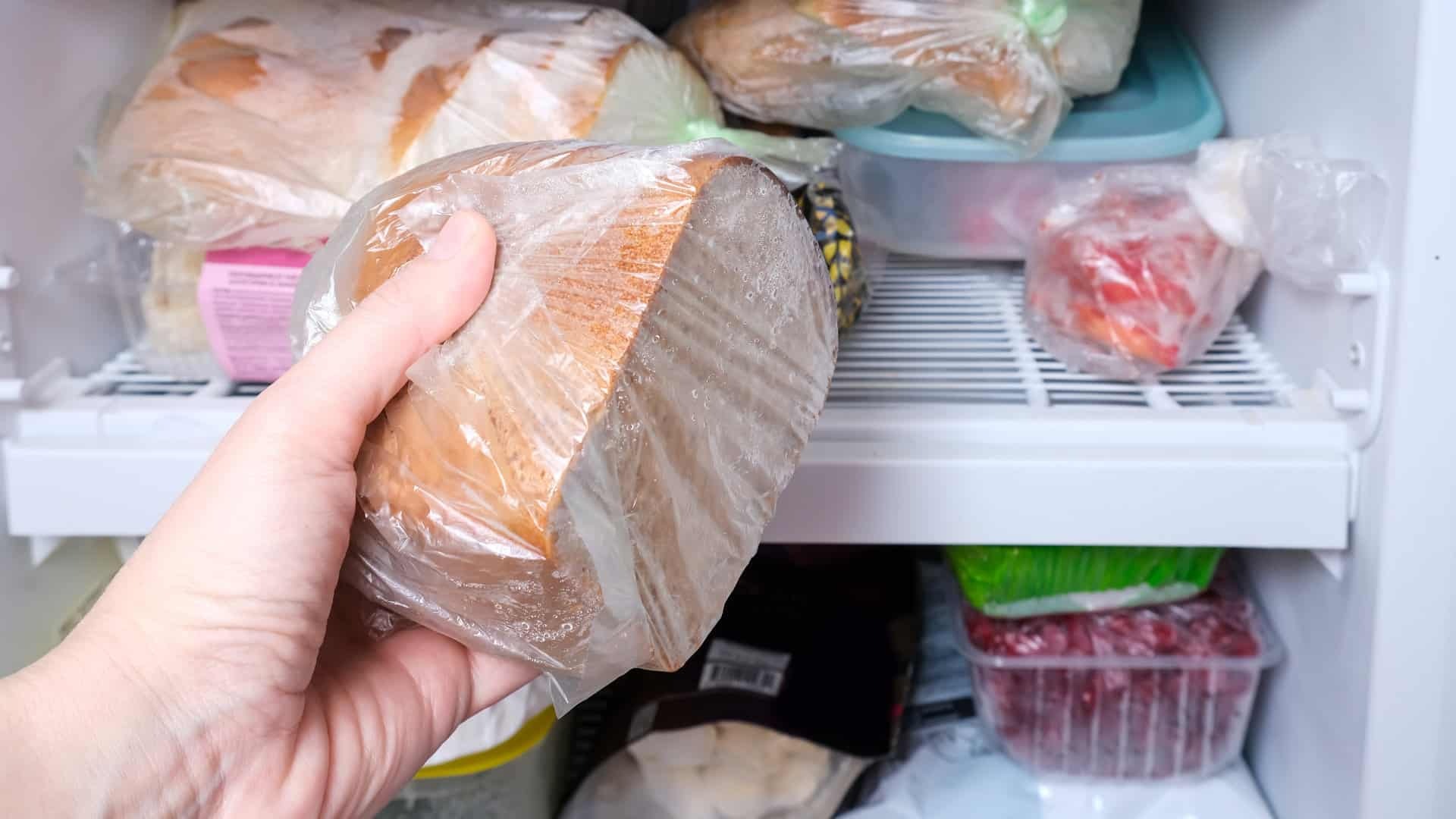 |
Illustrative photo: Healthline |
Resistant starch acts similarly to dietary fiber. Instead of being absorbed into the bloodstream as glucose, it reaches the large intestine, serving as food for beneficial gut bacteria. This process produces butyrate, a short-chain fatty acid known to improve gut health and reduce inflammation.
To maximize both the health benefits and deliciousness, experts recommend tightly wrapping bread before freezing to prevent moisture loss or absorbing freezer odors. When ready to eat, re-toasting the bread in an oven or microwave not only restores its soft texture but also optimizes the resistant starch content.
Beyond freezing, the type of bread chosen also impacts health. Sarah Glinski, a Canadian nutrition expert, advises prioritizing whole-grain, sourdough, or seed-filled varieties like chia, flax, or sunflower. An ideal slice of bread should contain a minimum of 3 g of fiber and less than 3 g of added sugar.
To fully leverage the health benefits of resistant starch while maintaining delicious flavor, follow these steps:
Step 1: portioning. For loaves or large whole breads, slice them into individual portions before storage. This approach simplifies taking out only what is needed, avoiding the need to thaw the entire loaf and preventing structural damage from multiple temperature changes.
Step 2: tight wrapping. Wrap individual slices or small portions using plastic wrap or aluminum foil, then place them in a zip-top bag or an airtight plastic container. This is crucial to prevent freezer burn, a condition where bread loses moisture, becomes dry, and absorbs odors from other frozen foods.
Step 3: storage duration. Bread can be kept in the freezer for one to three months. However, for the best flavor, it is advisable to consume it within the first month.
Step 4: re-toasting before consumption. This is the decisive step to boost resistant starch content. Take the bread directly from the freezer and place it in a toaster, oven, or air fryer at approximately 160-180 degrees Celsius for a few minutes. If using a microwave, sprinkle a little water on the surface to prevent it from becoming dry and chewy.
Ngoc Ngan * (According to Huff Post)*