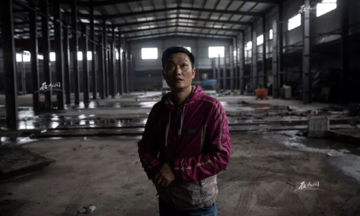
The incident unfolded in early 2026 when Ms. Zhang, a resident of Luoyang, Henan province, visited authorities to renew her household registration. While reviewing the list of household members, she discovered a boy born in 2012, listed as her and her husband's child.
"I had a tubal ligation in 1995 for health reasons and never conceived again. I have no memory of giving birth in 2012," Ms. Zhang stated. She added that she and her husband have been married for 35 years and have three children together, their youngest now 31.
As Ms. Zhang and authorities investigated, the truth emerged: her husband was the one who registered the child born in 2012 on the family's household registration. The boy was his child from an affair. He secretly used his wife's identification documents to obtain a birth certificate for the child, thereby legitimizing the household registration.
A hospital in Luoyang confirmed it had issued a birth confirmation certificate for the child 13 years ago, relying on Ms. Zhang's identification card provided by her husband. A hospital representative acknowledged this as a serious error in their identity verification process and stated they are cooperating with authorities to address the matter.
Ms. Zhang has since filed a lawsuit against her husband, citing a violation of monogamy and seeking a divorce.
From a legal standpoint, lawyer Li of the Beijing Bar Association noted that the husband's actions not only violate the Marriage Law but also show indications of "illegal use of identification documents" and "forgery of state documents". If investigators can prove he cohabited with his mistress as if married, he could face bigamy charges, carrying a sentence of up to two years in prison.
As for the medical facility, its negligence in verifying the birth mother's identity will result in administrative penalties from the Health Commission, and the professional license of the involved staff will be revoked. In China, regulations for issuing birth confirmation certificates are being tightened, with facial recognition technology now used to combat child trafficking and illegal surrogacy.
According to sociologists, the primary motive behind such "identity theft" cases is often linked to the household registration (Hukou) system. In China, children born out of wedlock face significant challenges in registering their Hukou, which is crucial for accessing public education and healthcare.
By forging documents to make the child appear as the legal offspring of his official wife, the husband not only ensures his illegitimate child's access to schooling but also conceals his extramarital affair from authorities and society.
Nhat Minh (Source: Sina)