According to a survey by the recruitment company ResumeBuilder involving over 1,500 business leaders, about 60% of employers stated they have organized or plan to organize workplace etiquette training courses for employees.
"Etiquette is essentially about respect. A team will work more effectively when everyone feels heard and cared for," said Casey Clark, Vice President at Western Governors University's College of Business (U.S.).
Experts point out eight minor behaviors that can reduce personal credibility and affect the team.
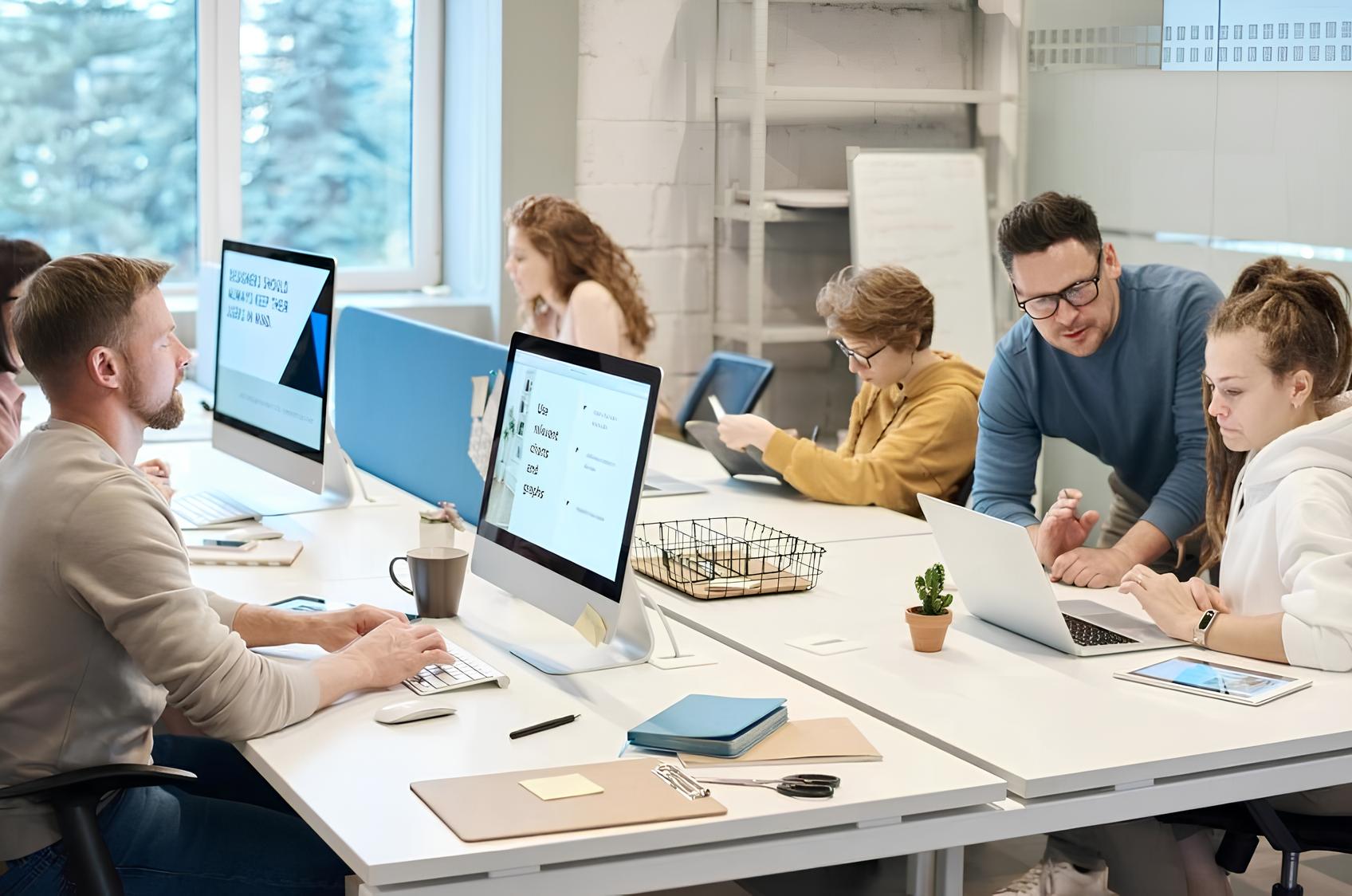 |
Illustrative photo: Pexels |
Inappropriate attire
Wrinkled, sloppy, or revealing clothes create an impression that you do not take your job or those around you seriously. According to Lisa Richey, founder of the American Etiquette Institute, how a person dresses reflects how they wish to be treated by others.
Unprofessional communication
Friendliness does not equate to informality. Using overly casual language in work emails, messages, or client interactions reduces professionalism. According to Richey, many employees overlook basic courtesies such as greeting colleagues or engaging in brief small talk. These gestures help build an open atmosphere and show respect.
Lack of focus in meetings
Arriving late, failing to prepare content, constantly checking your phone, or interrupting others demonstrates a disregard for the team's time. Experts advise being punctual, listening attentively, and providing opportunities for other members to speak, even if the meeting is not directly related to your work.
Excluding colleagues
Many important decisions arise from brief hallway conversations. Failing to update those involved via email or message, especially remote colleagues, leaves them feeling left out. Consistently being excluded from discussions makes others feel undervalued.
Negative body language
Constantly looking at your phone, avoiding eye contact, sighing, frowning, or appearing impatient makes the other person feel unheard. Conversely, maintaining eye contact and smiling helps create a sense of confidence and openness.
Excessive talking
Frequently approaching colleagues' desks for conversations, interrupting their work, can easily cause annoyance. Clark stated, "Everyone has work to complete. The office operates more efficiently when everyone understands that this space is shared."
Leaving common spaces messy
Leaving dirty coffee cups in the sink, not tidying up meeting rooms after use, or abandoning trash shows a lack of respect for colleagues. If forgotten, employees should proactively clean up and apologize to rectify the situation.
Disrespect during disagreements
Differences in opinion are unavoidable. However, yelling, speaking condescendingly, belittling others, or making biased remarks will erode trust within the team. Eric Frazer, forensic psychologist and author of "The Psychology of Top Talent", suggests that respect must be maintained even during conflicts. When one makes a mistake, a sincere apology is more valuable than defending one's ego.
Nhat Minh (Source: Goodhousekeeping)