A 2006 "Sexual Landscape in France" survey revealed that 15% of women and 27% of men maintained two relationships simultaneously.
According to Nathalie Bajos, research director at the French National Institute of Health and Medical Research (Inserm), 2024 data indicates this proportion continues to rise, particularly among women and young people, due to increased openness in sexual lifestyles.
Commenting on this trend, sociology lecturer Charlotte Le Van from the University of Caen (France) stated, "Infidelity rates among men tend to decrease, while slightly increasing among women. This reflects the reality that sexual habits between the two genders are gradually balancing."
 |
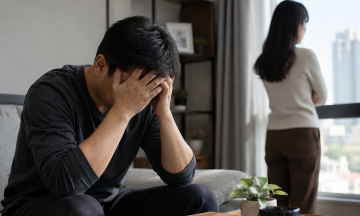
Photo: Dreamstime |
Delving into psychological motivations, Charlotte Le Van divides those who commit infidelity into 4 main groups:
"Experimental infidelity": This often occurs in younger individuals, driven by curiosity, a fear of missing out, or an unwillingness to make a permanent commitment. They seek to assert their attractiveness by experimenting with new partners.
"Instrumental infidelity": The third party is not the ultimate goal but a leverage to expedite divorce when a marriage becomes suffocating, yet the individual lacks the courage to initiate the separation. Sometimes, this serves as an act of revenge when they feel neglected or previously betrayed by their partner.
"Disappointment infidelity": Common in long-term couples, where boredom, financial pressures, and childcare responsibilities erode emotional connection. While they do not wish to destroy their family, they view an illicit affair as a means to rediscover dormant emotions. This group is not necessarily seeking a new lover, but rather a freer, younger version of themselves.
"Chronic infidelity": This group includes hedonists or individuals who suffer from narcissistic syndrome. They consider seducing others a measure of their self-worth. They rarely desire divorce and consistently maintain the façade of a happy family as a safe haven, yet they continue to deceive as a lifestyle.
The timing for extramarital affairs also follows a pattern. Men often find it easier to deceive when their wives are pregnant or have recently given birth. Women are more prone to infidelity in their 40s, when the burden of childcare lessens. On Gleeden, a platform for people seeking affairs with 5 million users in France, the average age for male customers is 41-42, and for female customers, 38-39. Website traffic typically surges after family holidays.
Double standards
Despite widespread opportunities for encounters, infidelity remains influenced by class rules and gender stereotypes. Throughout history, unfaithful women faced severe penalties, while deceptive men were often tolerated by society under the guise of "high physiological needs."
Today, this double standard persists. Sociologist Marie-Carmen Garcia analyzes that men who commit infidelity often wish to maintain their family façade, viewing their romantic life and parental responsibilities as two separate worlds. Conversely, women tend to connect sexual intimacy with romantic love, making them more likely to decide on divorce after betrayal.
Economic aspects also determine the form of deception. Individuals with financial privilege often find it easier to control their schedules, allowing them to escape their partner's oversight.
Bao Nhien (According to Le Monde)