 |
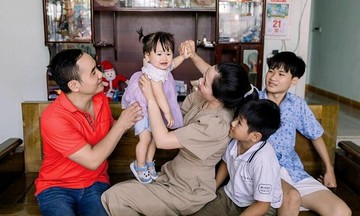
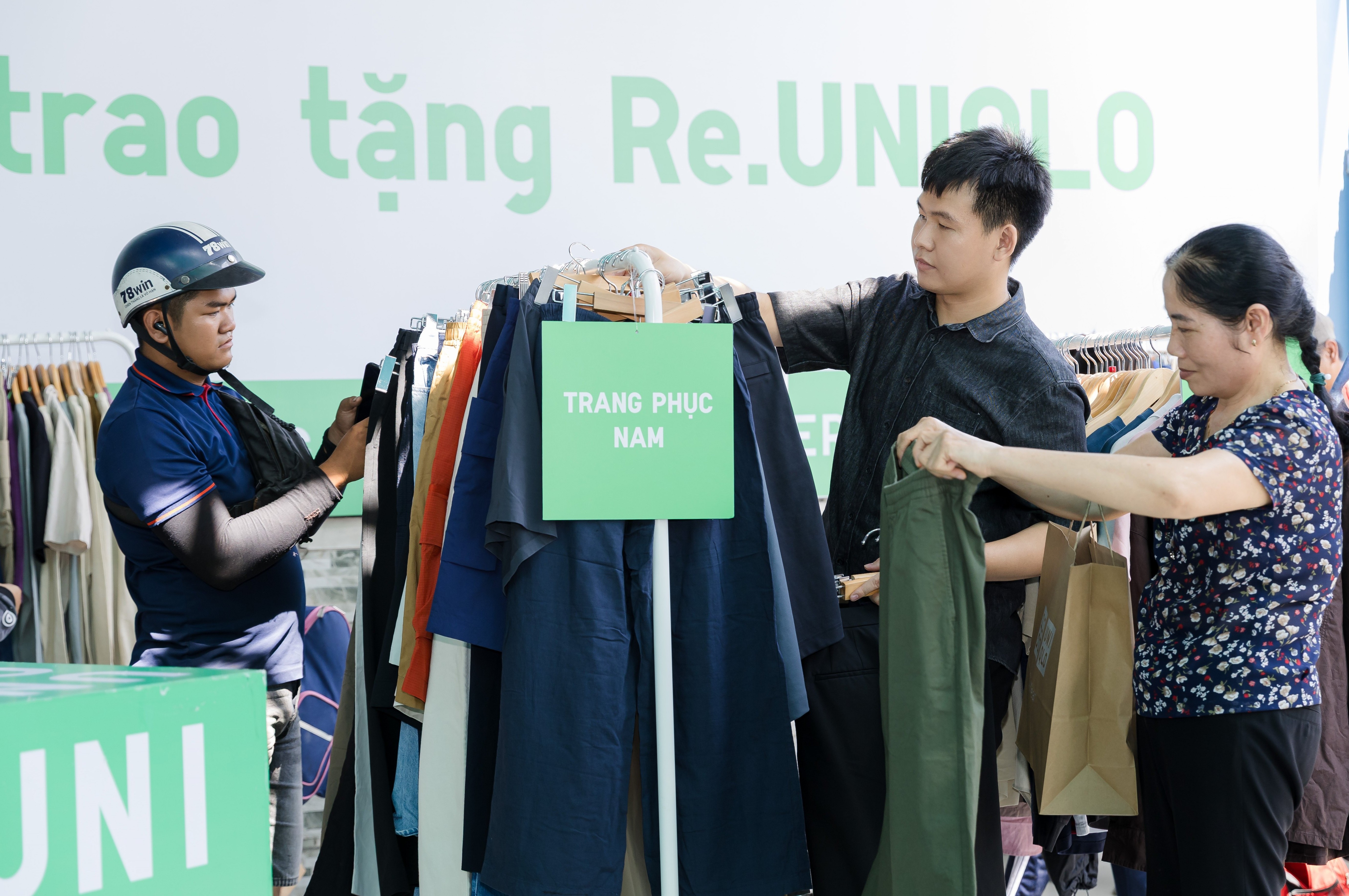
The Re.Uniqlo program yields positive results in areas facing challenging living conditions, where warm clothing is essential for protecting health and maintaining daily activities. |
The Re.Uniqlo initiative, launched globally in 2006, addresses the question: "What happens to clothes after we no longer wear them?" It adheres to the three core principles of the circular economy: reducing discarded clothing, recycling, and reusing, thereby extending product lifecycles.
This ethos aligns with Uniqlo's "LifeWear" philosophy, which focuses on producing essential, durable apparel for daily life. To date, over 59 million Uniqlo garments have been "reborn" and delivered to those in need across 81 countries and territories, including refugees, communities in harsh climates, and vulnerable populations.
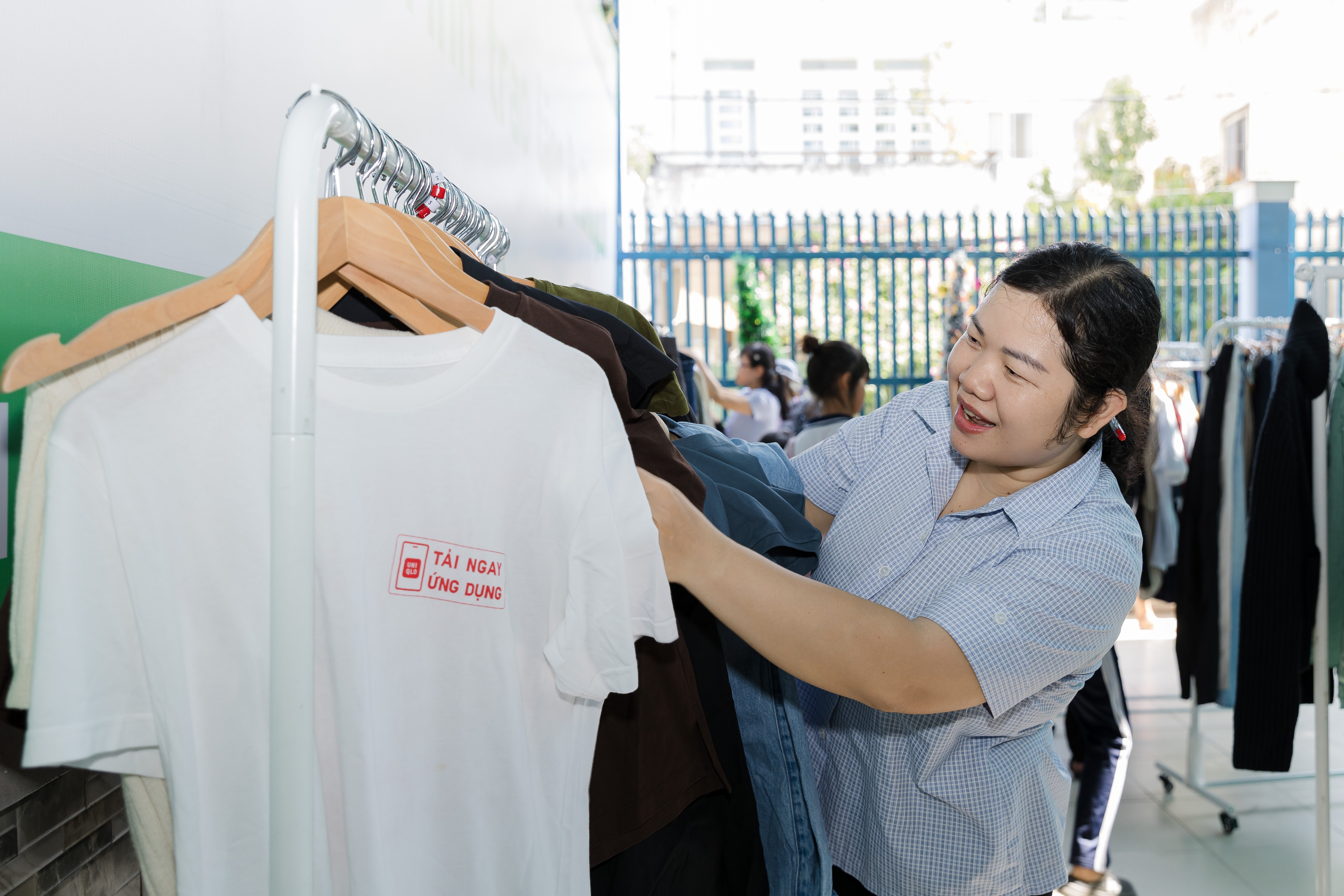 |
During 2024-2025, as floods ravaged the Northern and Central regions, Uniqlo and the Hope Foundation launched emergency aid efforts. Tens of thousands of recycled garments and financial aid were delivered to isolated areas, helping repair schools and provide essential supplies to residents. Access to clean clothing partially eased economic burdens for families, helping them stabilize their lives after the disasters. |
Since 2021, the Japanese company Uniqlo has collaborated with the Hope Foundation to implement the Re.Uniqlo program in Vietnam. The organizers have collected over 51,000 used but still good items, which are then sorted, refurbished, and distributed to people in need nationwide.
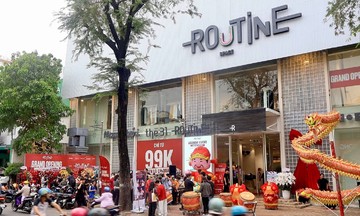
From day one, Uniqlo stores nationwide installed Re.Uniqlo collection bins, enabling customers to actively donate used clothing. This marked a shift from the traditional "company gives – community receives" model to a more circular and sustainable approach, involving multiple stakeholders in value sharing.
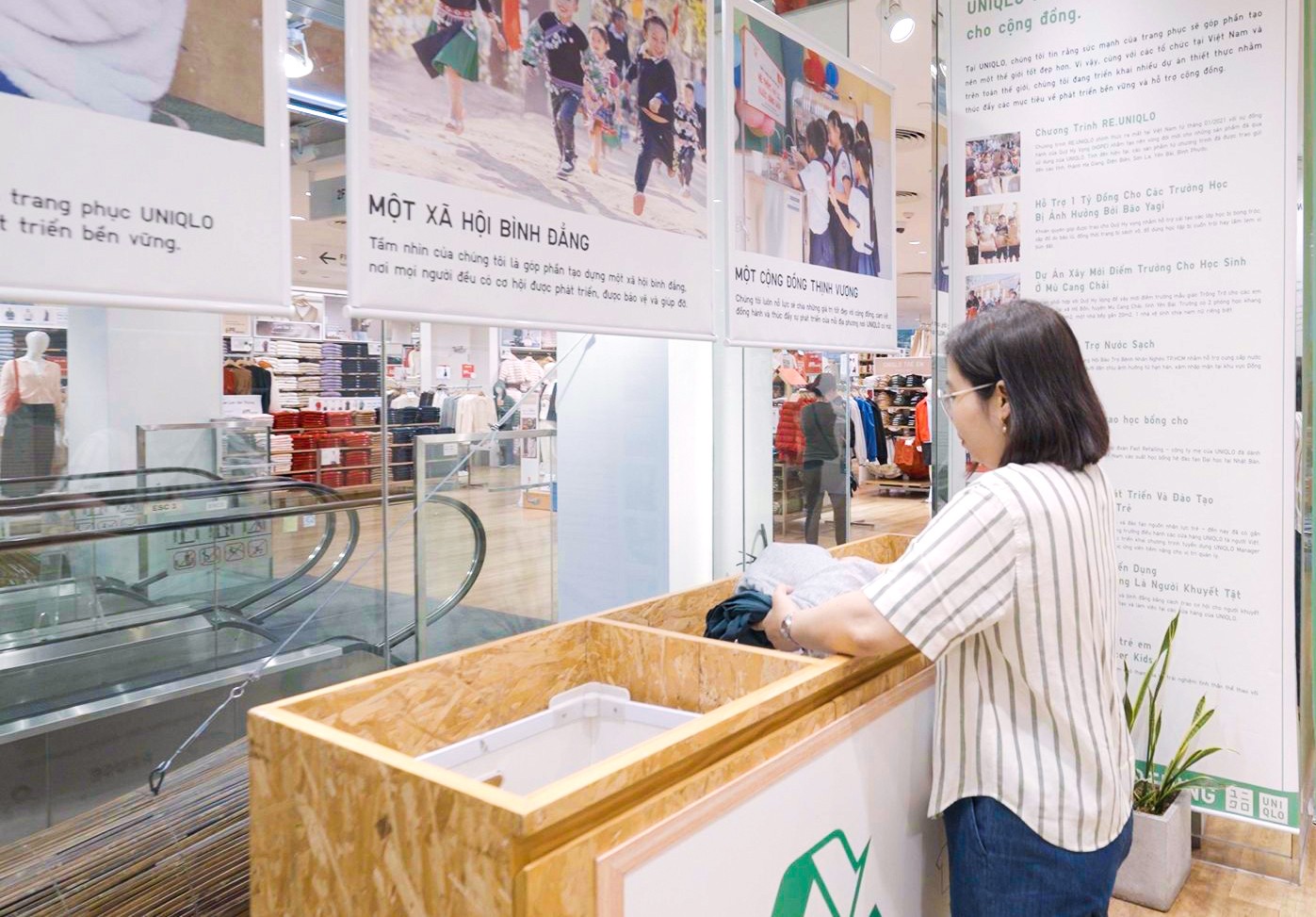 |
According to a company representative, consumers are encouraged to clean and return clothes they no longer wear to stores, rather than storing or discarding them. Uniqlo operates a meticulous sorting process based on criteria such as gender, size, and climate before partnering with the Hope Foundation for distribution and oversight. After nearly five years, the project has provided clothing support to thousands of people in eight provinces and cities across the country.
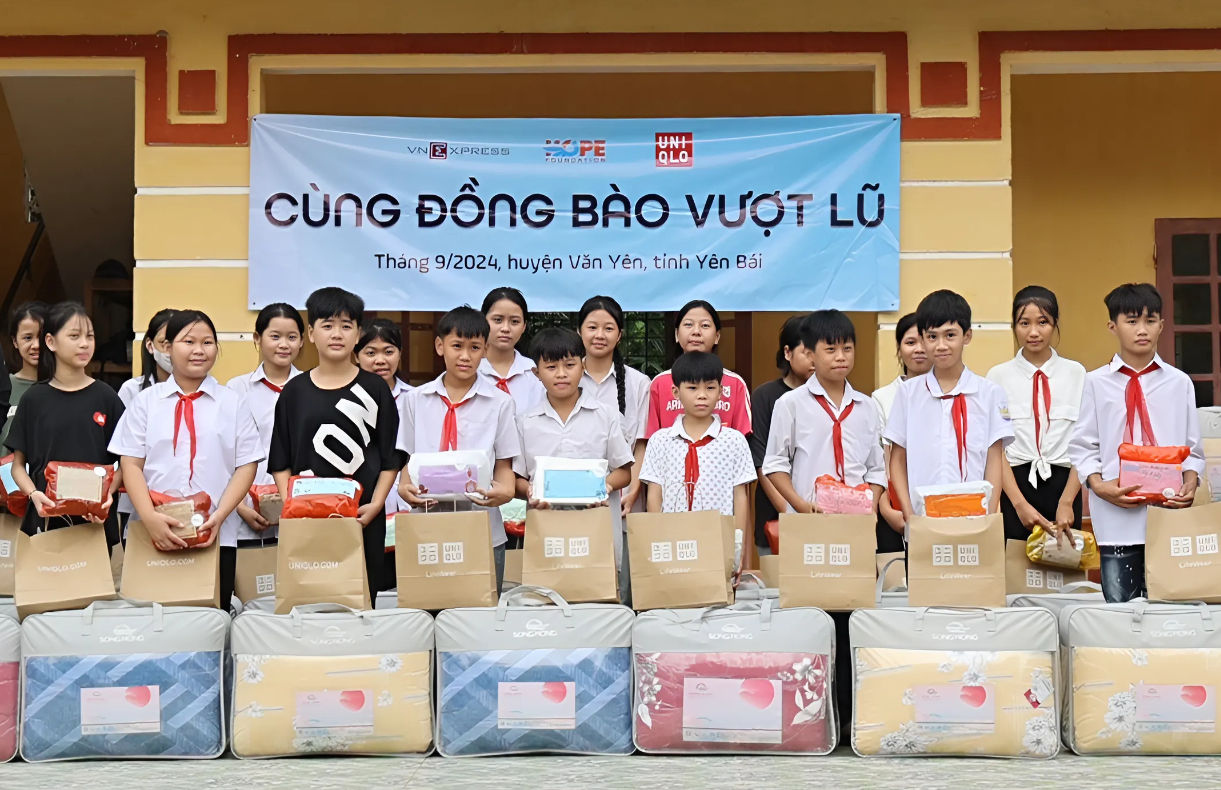 |
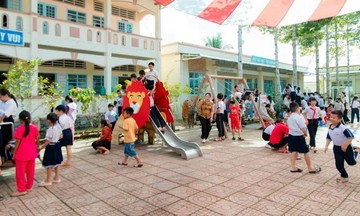
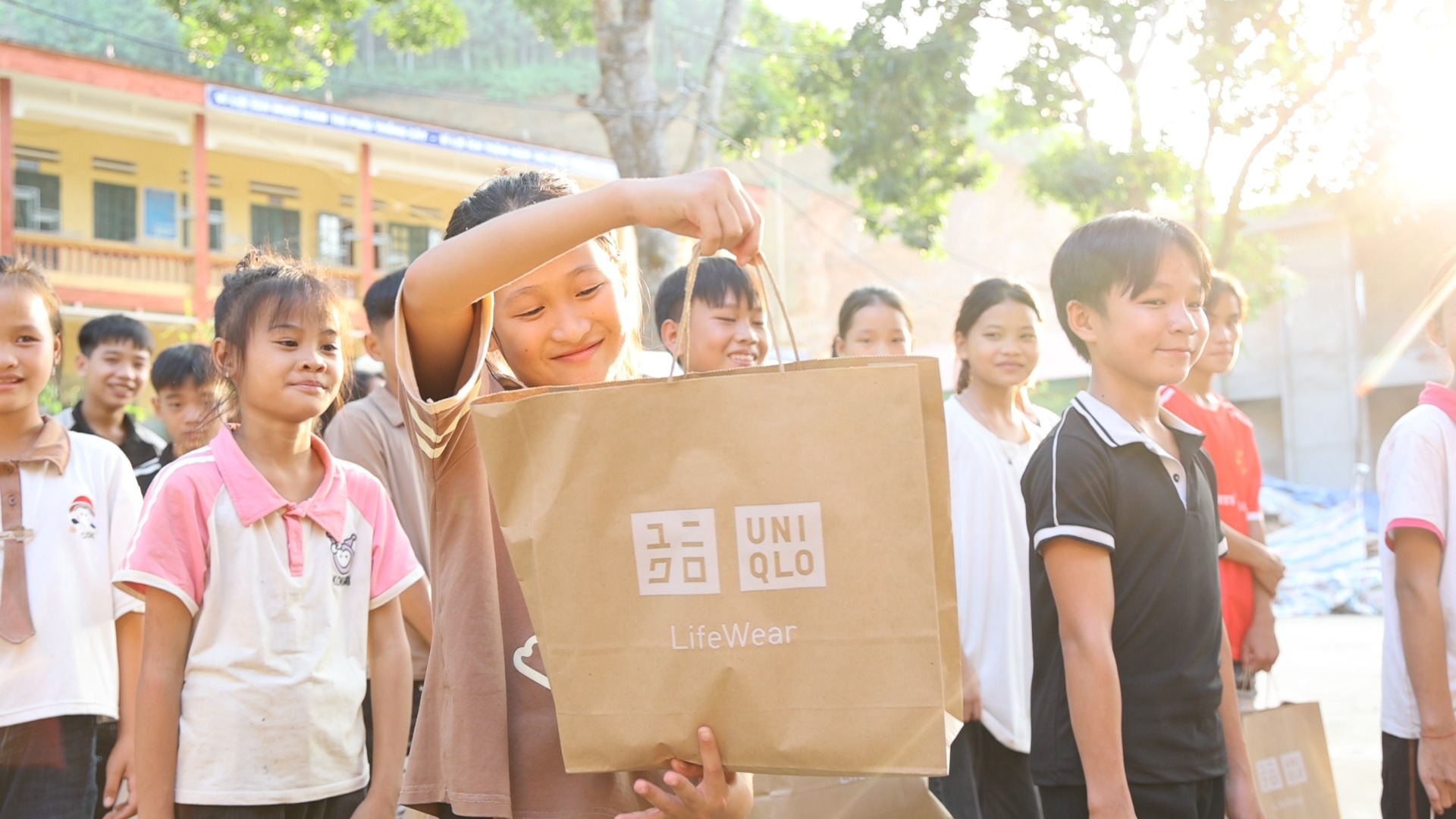
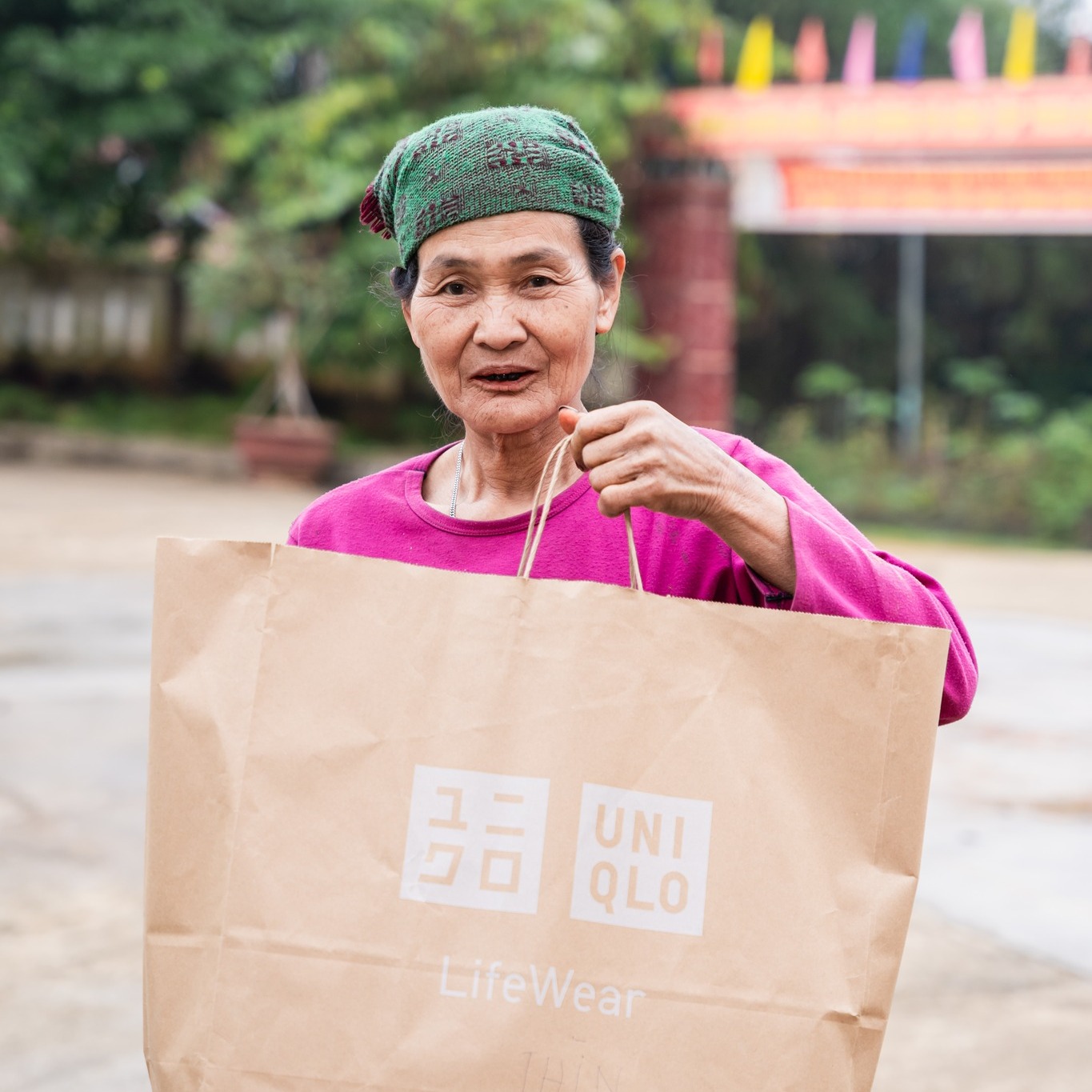
In highland regions like Dien Bien, Son La, and Ha Giang, where winters are harsh and living conditions are challenging, Re.Uniqlo clothing helps the elderly adapt to the weather and supports students and teachers in maintaining regular learning and teaching.
 |
 |
Re.Uniqlo stands as a key initiative in Uniqlo's sustainable development strategy in Vietnam. Beyond providing clothing to those in need, the program also influences social awareness, encouraging consumers to share and become more environmentally conscious.
Currently, the used clothing collection bins remain available at Uniqlo stores nationwide.
Dong Ve
Photo: Uniqlo