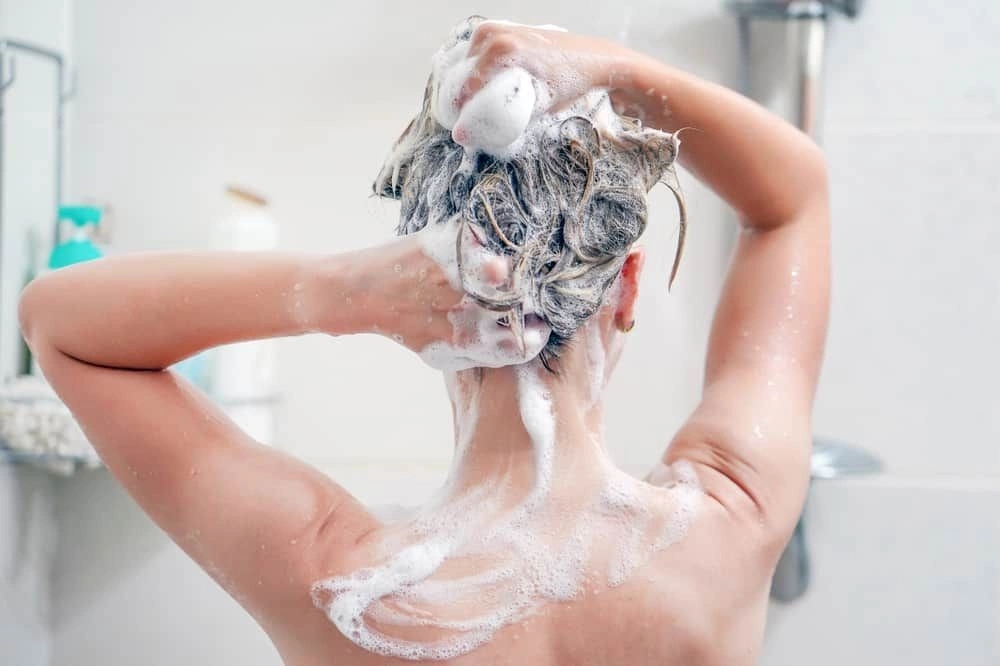
After a long day, many individuals tend to go straight to bed without brushing their teeth, while others wake up and eat breakfast before tending to their oral hygiene. Dental experts emphasize that the consequences of not brushing before bed are far more severe.
Bacterial proliferation at night
The oral cavity harbors millions of bacteria. These microorganisms thrive by breaking down leftover food particles and generating acids. This acidic environment constantly erodes tooth enamel, resulting in demineralization and the formation of cavities.
During the day, activities like chewing, talking, and drinking stimulate continuous saliva production in the mouth. Saliva acts as a natural cleanser, washing away food debris and neutralizing acids produced by bacteria, thereby protecting teeth.
However, during sleep, chewing and swallowing cease, and salivary glands significantly reduce their production. Without brushing, bacteria capitalize on food remnants to multiply rapidly. They adhere firmly to tooth surfaces, consistently releasing acids for up to 8 hours. This increases the risk of tooth decay, gingivitis, bleeding gums, and bad breath.
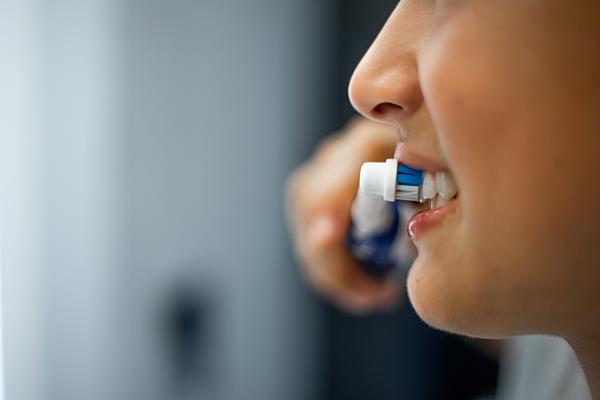 |
Brushing teeth twice daily, morning and evening, is a fundamental hygiene practice for overall health. Photo: CCTV
Is swallowing morning bacteria a concern?
After a night, oral bacteria form a yellowish film on teeth, known as plaque. Many individuals worry that eating breakfast immediately after waking will introduce these bacteria into their stomach, potentially leading to illness.
However, this concern is largely unfounded. When bacteria enter the digestive system, the stomach's highly acidic environment rapidly destroys most of them. Ingesting plaque accidentally is considerably safer than allowing it to remain on teeth and erode enamel.
Nevertheless, the morning brushing routine should not be overlooked. While chewing during breakfast may dislodge a small amount of plaque, a toothbrush and dental floss are essential for comprehensive cleaning.
To safeguard oral health, experts provide the following recommendations:
: Prioritize evening brushing: This is the most crucial cleaning session. Use fluoride toothpaste and dental floss. Avoid eating or drinking anything after you have brushed your teeth.
: Brush twice daily: Brushing in the morning and evening is the minimum frequency required to disrupt the bacterial growth cycle.
Bao Nhien (According to CCTV)