In the early days of the year, as many families were busy with new plans, Quang found himself spending Tet in a hospital bed at the Adult Emergency - Intensive Care - Poison Control Department of TP HCM Hospital for Tropical Diseases, with a blood pressure monitor constantly at his side.
He was admitted for a high fever, but the dangerous turning point came just as his fever subsided. His vital signs rapidly declined, and his blood pressure dropped sharply and suddenly, prompting doctors to urgently transfer him to the Emergency Department.
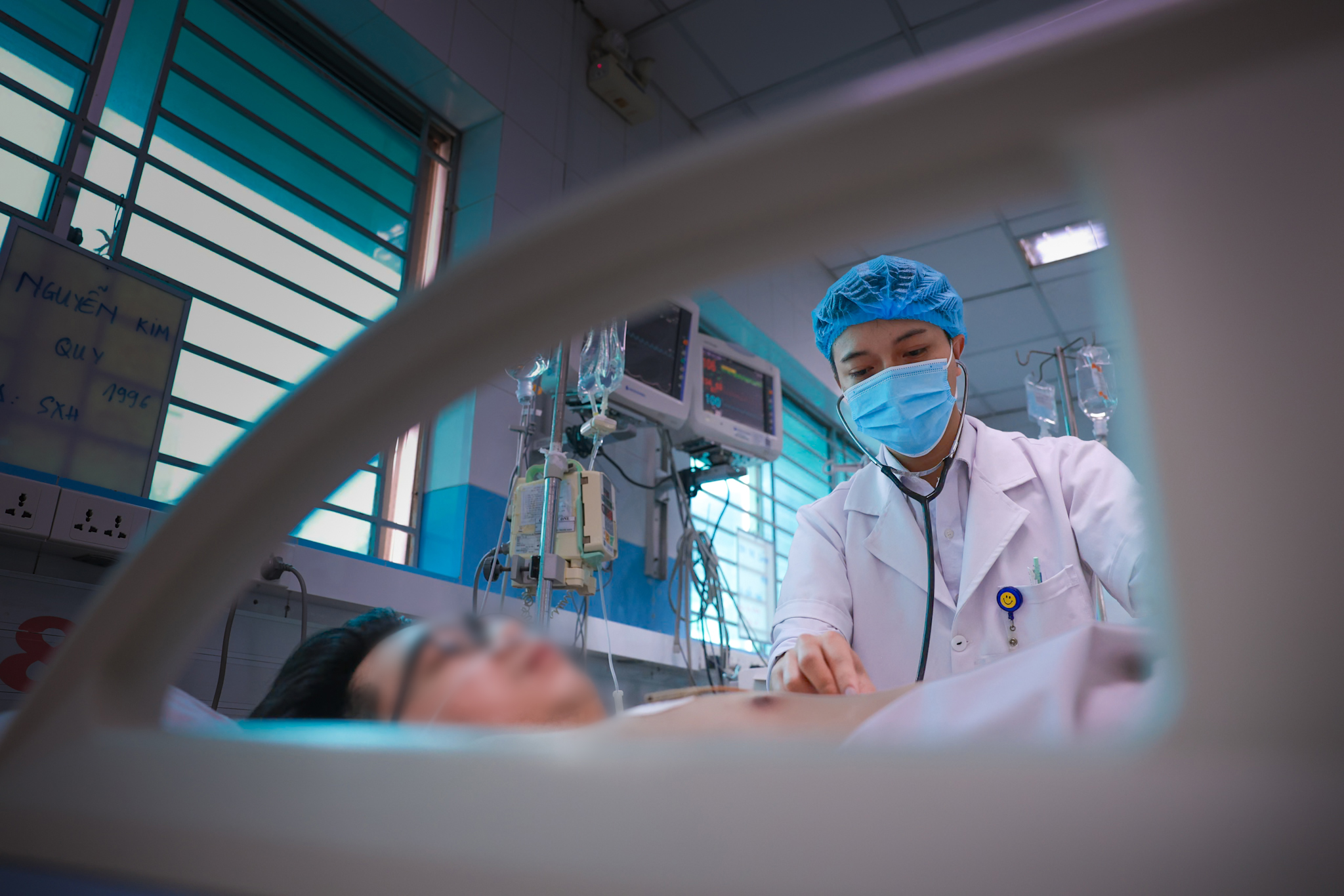 |
A severe case of dengue fever being treated at the Adult Emergency - Intensive Care - Poison Control Department, TP HCM Hospital for Tropical Diseases. Photo: Ngo Tran Hai An
Regarding Quang's case, Specialist Doctor II Phan Vinh Tho, Head of Infectious Disease Department D at TP HCM Hospital for Tropical Diseases, stated that the patient's progression exhibited typical characteristics of dengue fever: the disease can become severe in a short time, especially during the fever-reducing phase. This is a time when many people mistakenly believe they are past the danger.
The doctor explained that when the fever begins to drop, many mistakenly think their body is recovering. However, dangerous internal disruptions are occurring: plasma leakage, blood concentration, and a rapid decline in platelets can progress quickly.
"Instead of feeling better, patients may experience extreme fatigue, progressively severe abdominal pain, nausea, or continuous vomiting. Severe complications such as dengue shock, liver failure, kidney failure, or multi-organ damage often appear precisely during this stage," the doctor explained.
According to WHO, the initial symptoms of dengue fever are similar to the flu. Consequently, many self-medicate or administer intravenous fluids at home. By the time they are hospitalized, the disease has become severe. In some cases, patients arrive at the hospital already in shock but remain outwardly conscious, making it difficult for their families to recognize the seriousness of their condition.
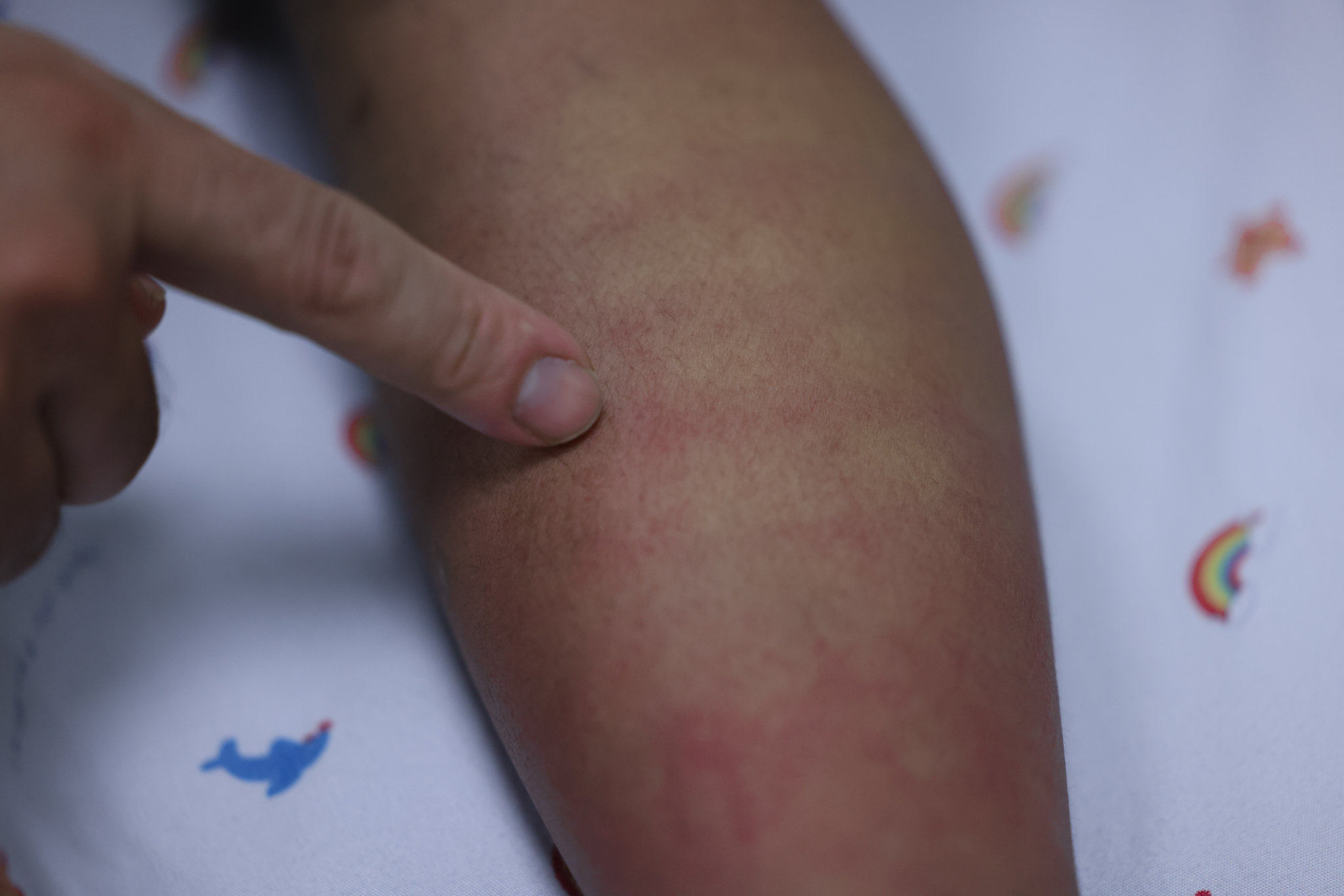 |
Dengue fever has initial symptoms similar to the flu or viral fever, causing many to be complacent and only seek medical attention at a late stage. Photo: Ngo Tran Hai An
Quang's case reflects a notable change: adults are contracting dengue fever more often than before. The doctor emphasized that while children previously accounted for the majority of cases, the proportion of adults contracting the disease is increasing. Alongside this shift, treatment facilities are also reporting a rising trend in severe cases.
Specifically, at TP HCM Hospital for Tropical Diseases, the rate of severe cases was previously around 15%, but in recent years, it has fluctuated between 17% and 19%. Many cases involve deep shock, recurrent shock, or severe liver damage.
The epidemiological picture is more concerning as dengue fever cases are recorded continuously throughout the year, with the epidemic typically peaking from June to October. This change is significantly influenced by urbanization and climate change, which create ideal conditions for the Aedes aegypti mosquito to breed and thrive.
Information from WHO indicates that Aedes mosquitoes breed in clean water sources inside homes, such as flower vases, water basins, and water containers within electric fans. Therefore, one should not be complacent about dengue fever; when the disease becomes severe, it can become a race against time for survival.
Like Quang, Hai Anh, 32, also had many plans disrupted by the disease. In a corner of the Dengue Fever Treatment Department at TP HCM Children's Hospital 1, she simultaneously cared for her son, who had dengue fever, and managed customer calls. Her voice softened as she mentioned her temporarily closed business.
"I alone take care of my child in the hospital, and abandoning my business means losing all my customers," she said, her eyes fixed on her 9-year-old son lying in the hospital bed, with an intravenous drip slowly flowing. Hai Anh's situation is common for many families with relatives hospitalized due to dengue fever.
For many families affected by this disease, life nearly grinds to a halt. Work is suspended, daily routines are disrupted, and additional costs arise, creating dual pressure both economically and mentally. If the disease becomes severe, prolonged treatment forces pre-planned schedules to change. Trips to the hometown, travel plans, unfinished work, or family gatherings must be canceled.
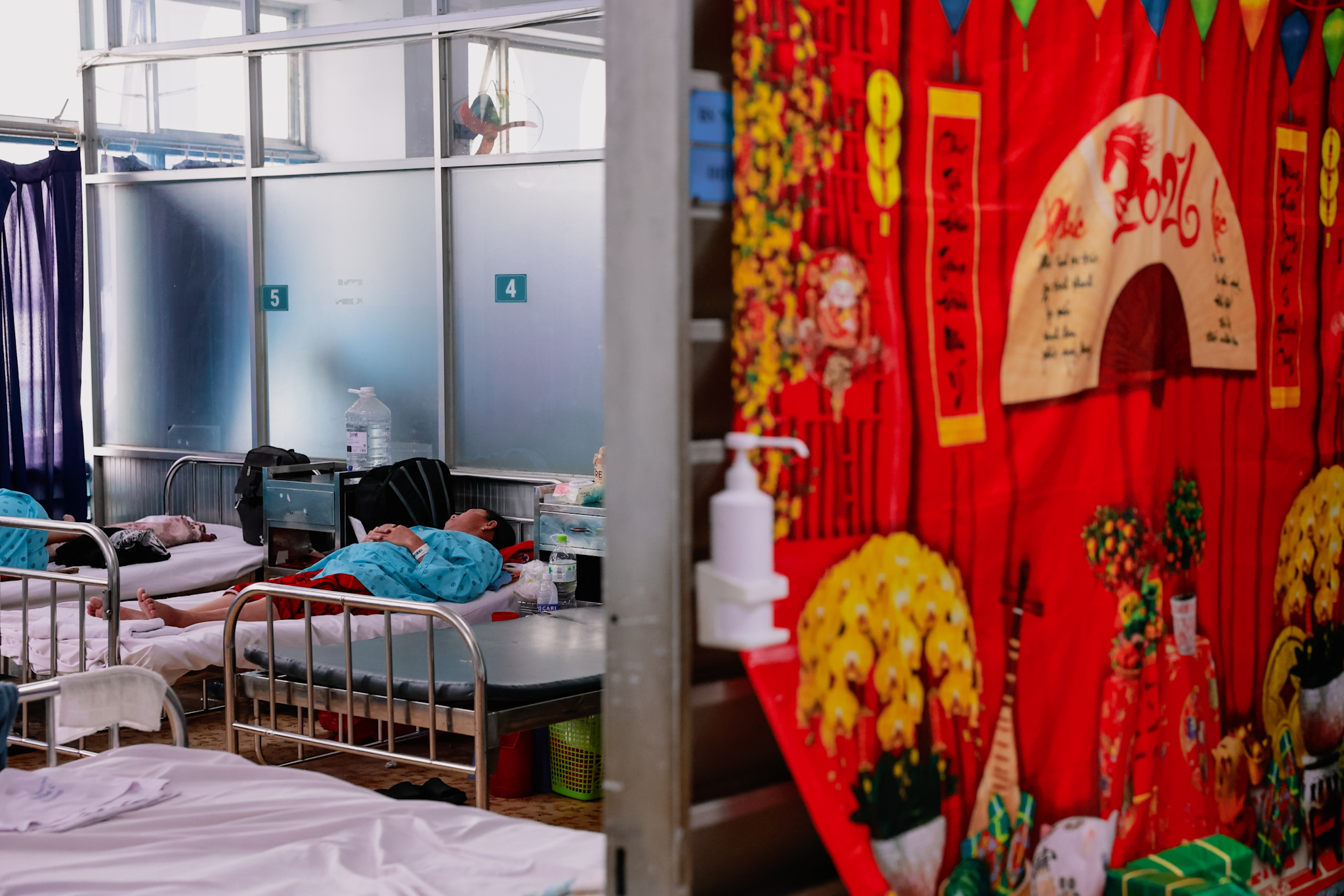 |
For self-employed workers, hospitalization means zero income. Photo: Ngo Tran Hai An
According to Doctor (PhD) - Doctor (MD) Nguyen Minh Tuan, Head of the Dengue Fever - Hematology Department at TP HCM Children's Hospital 1, many only realize the disease's danger once they are experiencing it. After caring for her child with dengue fever, Ha Nguyen, 40, from Long An, advised parents: "When your child first gets sick, parents should not be complacent and keep them at home; it's very hard on the child. Only after going through it do you realize how difficult and frightening the disease is. Before now, I didn't know there was a vaccine, nor did I know these mosquitoes live in clean water. I will learn more about prevention methods for my family."
Doctors emphasize that the strategy for preventing dengue fever lies not in treating the disease once contracted, but in changing awareness. Each person needs to actively prevent it early by: eliminating mosquito breeding sites around the house; tightly covering water storage containers; sleeping under mosquito nets, even during the day; using appropriate mosquito repellents; and proactively preventing through vaccination to reduce the risk of contracting the disease and severe complications.
When warning signs such as high fever, fatigue, muscle aches, restlessness, sluggishness, lethargy, severe abdominal pain, frequent vomiting, vomiting blood, or passing blood in stools appear, people need to pay special attention and immediately go to the nearest medical facility for timely examination.
"Proactive prevention not only helps reduce severe cases but also contributes to easing the burden on the healthcare system and limiting unnecessary losses for each family," added Doctor (PhD) - Doctor (MD) Nguyen Minh Tuan.
Lan Anh
* Names of individuals have been changed
This content was produced by the Government e-Newspaper, in collaboration with Takeda Vietnam Pharmaceutical Company Limited, with professional consultation and approval from the Vietnam Preventive Medicine Association. All medical information is presented objectively and does not represent the commercial views of any company.
This content is for educational purposes and community awareness, not intended for diagnosis or as a substitute for consultation with medical personnel. Readers should consult a doctor for further advice.