Japan's National Consumer Affairs Center (NCAC) recently issued a warning about commercial fraud involving mini cooling and heating devices. From 4/2020 to the end of 2025, the agency received over 3,000 complaints related to these products.
Consumers were lured by exaggerated advertisements that promised impossible features. These included claims like "lower room temperature in one second", "comparable to an air conditioner but without an outdoor unit", and "electricity costs only 50 JPY (approximately 8,000 VND) per month".
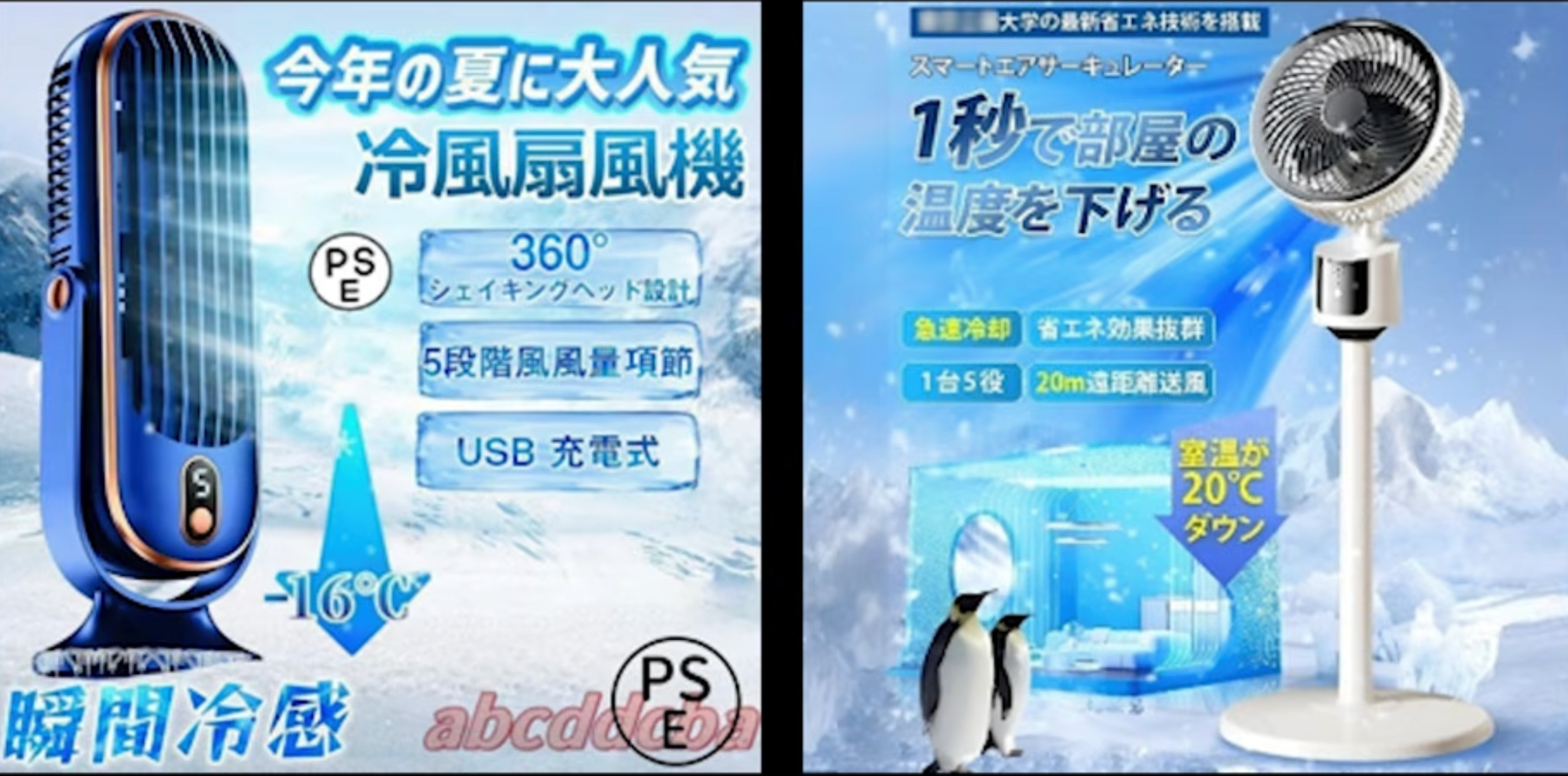 |
Two electronic devices were advertised as having "air conditioning" functions. On the left is a fan powered by a USB port, featuring "instant cooling", while on the right is a standing fan that "reduces temperature in one second". *Photo: NCAC*. |
Victims shared their experiences of deception. A 50-year-old man who bought a device via a YouTube ad recounted, "They said that just by flipping a switch, it would emit cold air at 16-20 degrees Celsius, and even had AI integration. But upon receiving the item, it looked like a toy and produced no cold air. Worse, I continuously received spam calls afterwards."
Another 70-year-old customer was deceived by a label claiming "developed in collaboration with a major Japanese electronics company" and a promise to cool a room in three minutes. However, they received a device that only emitted a weak breeze. Similarly, an 80-year-old woman believed an advertisement to "wear short-sleeved shirts indoors in winter" with a heating device, but only felt warm if she pressed her face close to the machine.
To investigate these claims, NCAC conducted independent tests on the 10 most complained-about products. For cooling devices, not one product emitted air lower than room temperature (28 degrees Celsius). Upon disassembling the devices, experts discovered they completely lacked air-cooling components, being merely simple fan systems. The heating devices also failed to raise the temperature by 5 degrees Celsius in 5 seconds, or warm a 10 m2 room as advertised.
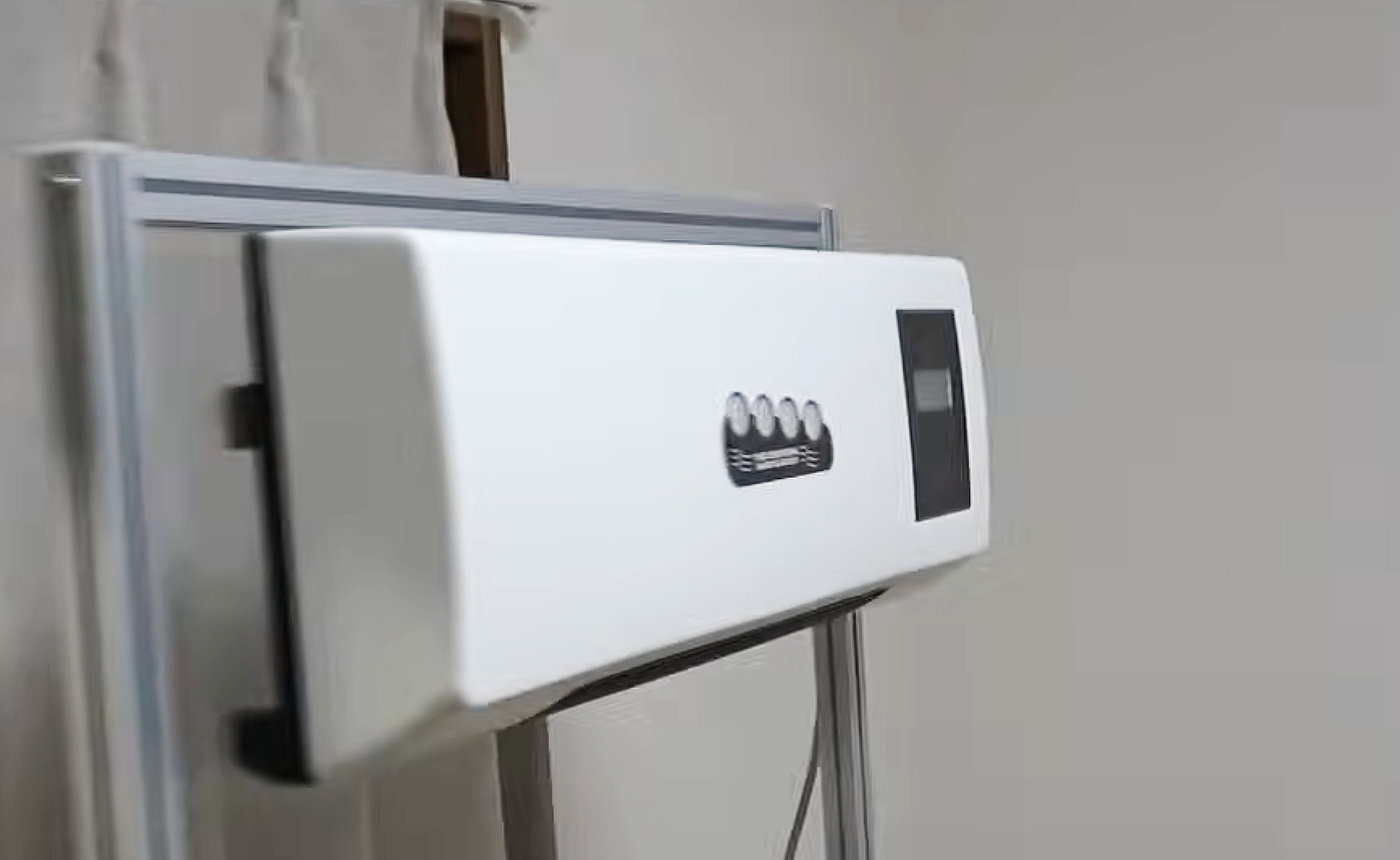 |
A cooling device, resembling an air conditioner, was advertised as not needing an outdoor unit and reducing temperature in one second. *Photo: NCAC*. |
Beyond fraudulent claims about functionality, 7 of the 10 tested models had ambiguous origins. These products lacked Japanese user manuals, and the manuals made no mention of a "room cooling" function.
NCAC affirmed that, physically, it is impossible to use a small power source like a USB port or a portable power bank to change the temperature of an entire space like a residential air conditioner. The agency advises people to be vigilant against exaggerated advertisements, thoroughly check voltage specifications, and verify the distributor's reputation before making payments.
By Bao Nhien (Source: Itmedia/Fnn)