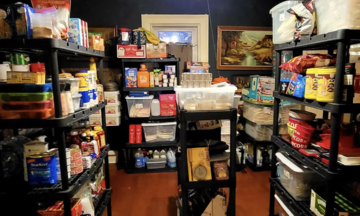
The gas supply disruptions, stemming from the Middle East conflict, are severely impacting the lives of people in India. The nation consumes approximately 191 million cubic meters of gas daily, with nearly 50% sourced from imports. Shipping delays have resulted in a loss of about 60 million cubic meters from the Middle East. This supply deficit has triggered widespread panic, forcing residents in major cities like Delhi, Noida, and Lucknow to queue for hours to refill their cooking gas (LPG) cylinders.
In Bengaluru, Chennai, and other major cities, restaurant owners are struggling as black market gas prices have surged fivefold, yet supplies remain scarce. Many eateries have been forced to close, unable to bear the escalating fuel costs.
Amidst this crisis, Ashok Urs, a 65-year-old former employee of the Oil and Natural Gas Corporation of India, has unexpectedly drawn significant attention for an invention from six years ago: the highly fuel-efficient "rocket stove."
"In many rural areas, people cook in the open, consuming large amounts of firewood and producing harmful black smoke. I wanted to create a tool to overcome this drawback," Urs explained.
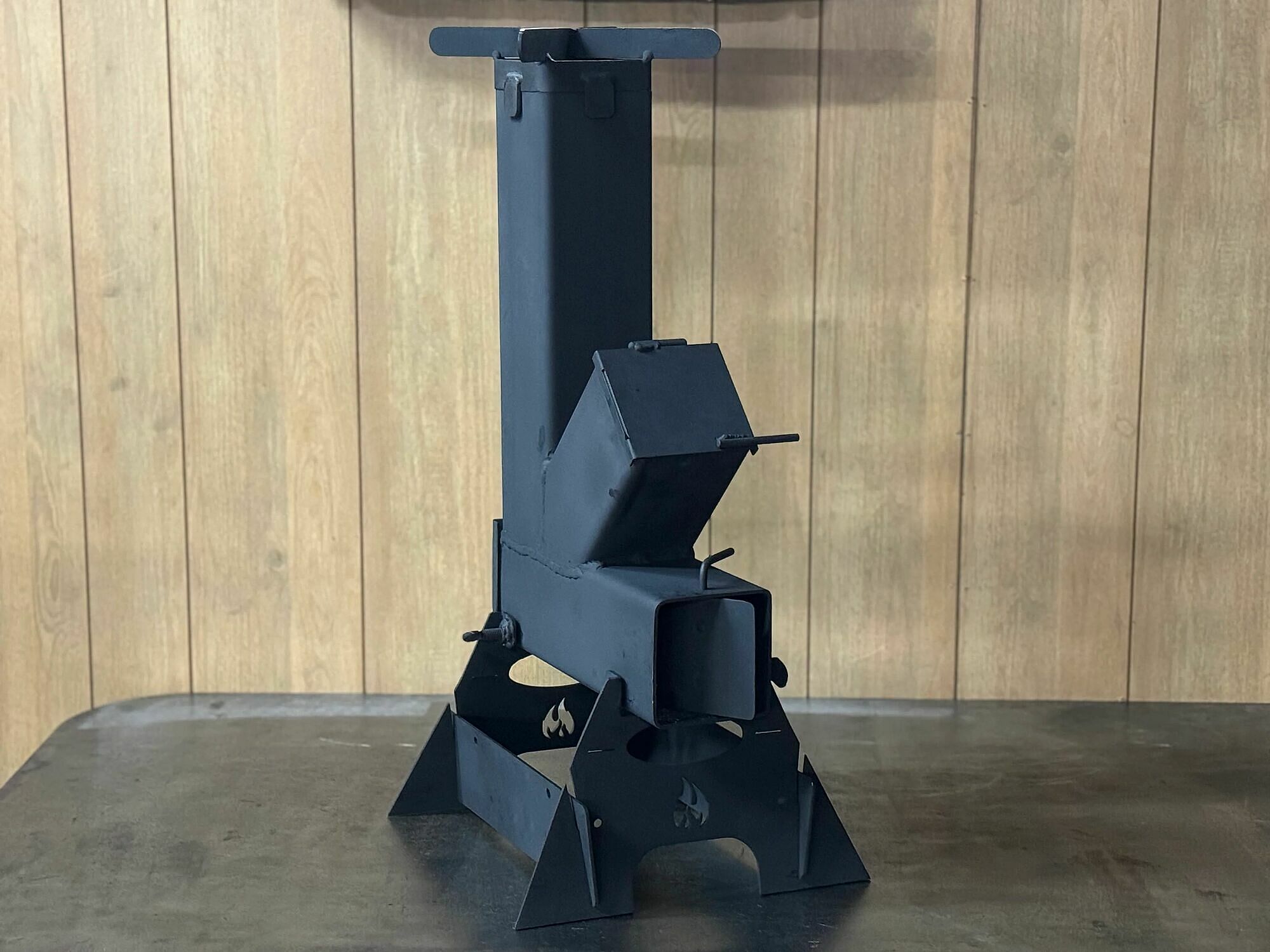 |
The rocket stove model based on Urs's original design. *Hindu* |
Initially, the stove, priced at 3,000 rupees (approximately 900,000 VND), helped impoverished households in Karnataka state escape smoky cooking conditions. However, the energy crisis has now propelled this device into bustling urban commercial kitchens.
The scarcity of gas has overwhelmed "rocket stove" manufacturing facilities. A distributor in Chennai revealed that they receive over 1,000 order calls daily but are forced to decline them, unable to keep up with production.
On the market, household stove models currently range from 8,000 to 17,500 rupees, while large industrial models can cost up to 350,000 rupees (over 100 million VND). With delivery times extending up to 40 days, many restaurant owners have resorted to sourcing materials, welding, and assembling similar stoves themselves to keep their businesses running.
Urs named it a "rocket stove" because when operating at maximum capacity, the flame shoots up powerfully, emitting a roaring sound similar to a rocket.
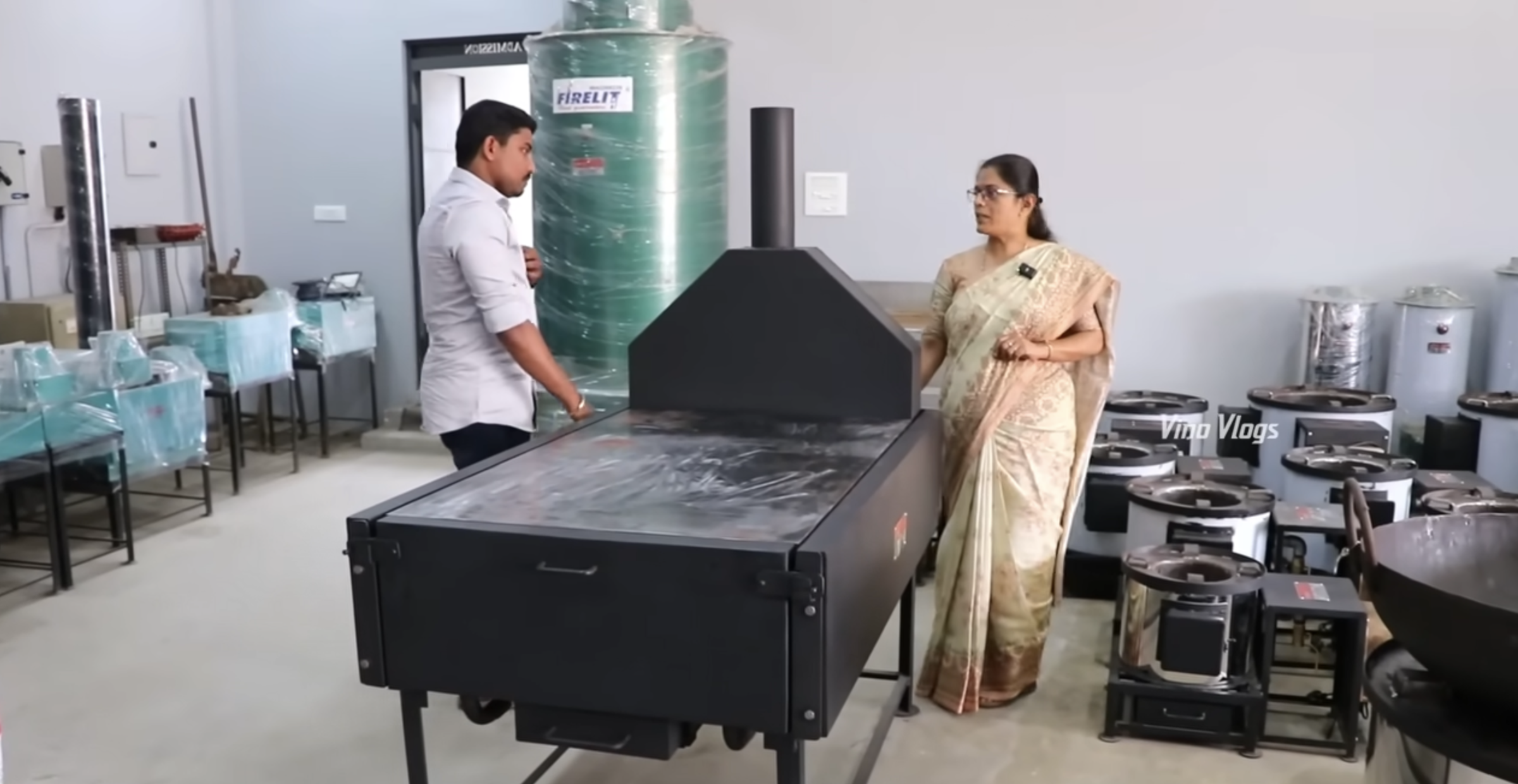 |
Modern "rocket stove" models. *Screenshot: Tamilan Market* |
The stove's secret lies in its L-shaped combustion chamber, encased in a thick layer of insulating material such as clay, ceramic, or lightweight cement. Cold air is strongly drawn in through a horizontal inlet, providing ample oxygen. Thanks to the insulation, the temperature inside the combustion chamber rises extremely high, completely burning the wood and even the gases produced from it, which significantly reduces black smoke.
All heat is channeled directly upwards to the stove's opening instead of dissipating sideways. This means users only need a handful of wood scraps, dry leaves, or coconut husks to boil a large pot of soup in a short time. The stove's robust structure can also support the weight of industrial pots and pans, making it a complete replacement for gas stoves.
The rise of the "rocket stove" is not just a tale of flexible adaptation during a crisis; it also demonstrates how simple, durable mechanical designs can sometimes be the most reliable support when modern supply chains falter.
(According to Hindu)