While many people associate lung cancer primarily with smoking, the family kitchen can also pose significant health risks if not properly ventilated.
The International Agency for Research on Cancer (IARC), under the World Health Organization (WHO), classifies emissions from high-temperature stir-frying as Group 2A, meaning they are "probably carcinogenic to humans". This classification highlights the potential danger lurking in everyday cooking practices.
A recent survey conducted by Beijing Union Hospital involving 8,000 households revealed an alarming link: families with consistently high levels of kitchen smoke reported significantly higher rates of respiratory inflammation, chronic cough, and sore throats among members compared to other groups.
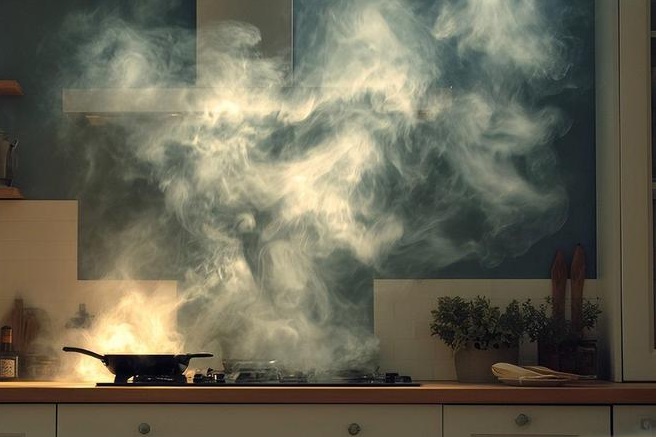 |
Illustrative photo: 163.com. |
Experts attribute this risk to the practice of overheating cooking oil to the point of smoking before adding food. When oil reaches this temperature, toxic compounds such as acrolein and benzo[a]pyrene are released. These substances can deeply penetrate the lungs, causing cellular damage and increasing the risk of cancer with prolonged exposure.
Women and children are particularly vulnerable due to their frequent presence in the kitchen. To safeguard health, doctors offer several key recommendations:
Control oil temperature: Avoid letting oil smoke before cooking. It is advisable to add food when the oil is about 60-70% hot; a simple test with chopsticks should show light bubbling.
Ensure adequate ventilation: Always turn on the range hood before you begin cooking and keep it running for an additional 5-10 minutes after finishing to effectively clear any residual fumes.
Ventilate the space: Whenever possible, open kitchen windows to promote air circulation and prevent the buildup of toxic gases indoors.
Nhat Minh (According to 163.com)