Five years ago, 31-year-old Lee Jin-seok (name changed) had a father diagnosed with terminal cancer. His father wished to spend his final days with his children and grandchildren. However, when his condition worsened early in the morning, Lee called an ambulance to take his father to the hospital.
He stated the reason was his concern about a police investigation for "failing to seek medical assistance" if his father died at home. "It was the legally safe choice, but I always thought my father should have had his final days at home", Lee recounted.
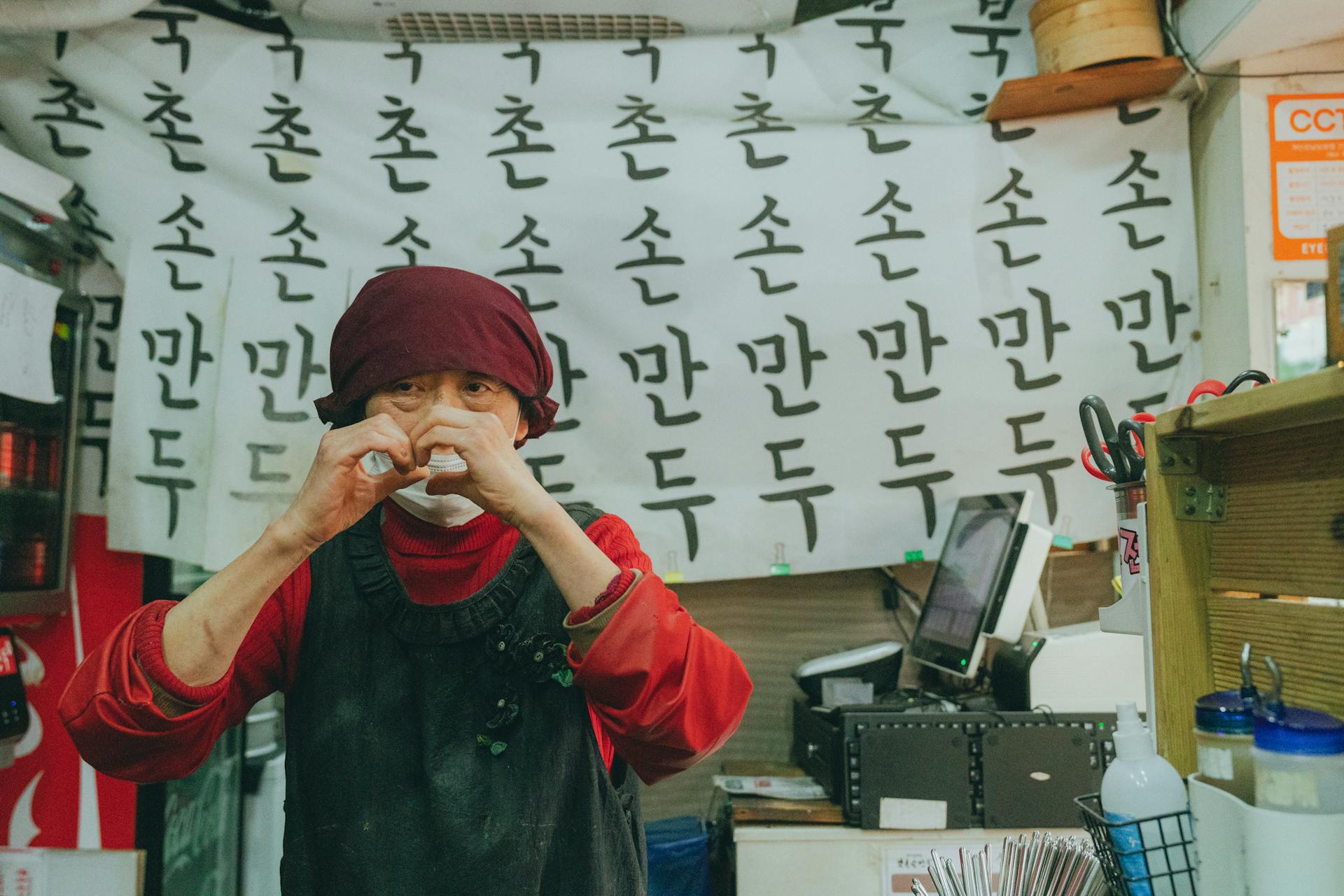 |
An elderly South Korean sells goods in Seoul, 4/2025. Illustrative photo: Pexels |
According to 2024 data, 8,3% of elderly people receiving social welfare benefits in South Korea were able to fulfill their wish to pass away at home, surrounded by loved ones. About 75% of deaths in this group occurred in hospitals.
This rate is 43% in the US. Japan also faces an aging population crisis, yet their rate of home deaths in 2023 reached 17%. The main reason is Japan's effective network of family doctors and clinics supporting home care.
This data from South Korea shows that patients must spend their final days in shared hospital rooms with others also nearing death, causing mental distress for themselves and their families.
According to a cost-effectiveness analysis study in South Korea published in the US National Library of Medicine, the average cost for palliative care services in a hospital is about 2,48 million won (USD 1,700) per week, 11 times more expensive than at home (about 225,000 won).
The biggest barrier stems from the Medical Service Act. According to regulations, doctors can only issue a death certificate if a patient dies within 48 hours of their last examination. Beyond this period, a death at home is considered an "unusual circumstance" and triggers an investigation.
Lawyer Shin Hyun-ho of Haeul Law Firm stated that even without evidence of wrongdoing, families still face the risk of investigation for elder abuse. Some families must postpone funerals for authorities to conduct an autopsy. To avoid this procedure, many families transport deceased relatives to hospitals to obtain a death certificate.
A shortage of medical resources is the second barrier. Jeong Hye-jin, Director of the South Korean Home Medical Care Association, stated that the health of elderly people with underlying conditions often fluctuates rapidly. "A community care system is necessary, but we do not yet have enough medical personnel for emergency home visits", Jeong said.
Starting 3/2026, the South Korean government is implementing home care packages for the elderly. However, experts believe that this system primarily focuses on daily living activities and has not yet prioritized services supporting terminally ill patients.
Professor Kim Dae-kyun of Incheon St. Mary's Hospital stated that patients are constantly moving between home and hospital. He proposed classifying end-of-life care services as essential medical care and allocating appropriate budgets, rather than categorizing them solely under social welfare.
Nhat Minh (According to Korea Herald)