The growing trend of health spending
Approaching age 40, Phuong Hoa and her husband, residents of Tan Thuan ward, TP HCM, are increasingly experiencing health issues such as fatigue from late nights, headaches, back pain, and neck stiffness. Consequently, their family began exploring healthcare products, ranging from supplements to at-home wellness equipment. Previously, their budget for entertainment, travel, and social activities was substantial; now, most of that money is redirected towards health management.
This trend isn't limited to middle-aged individuals; many young people are also prioritizing health spending. Thanh Tuan, 29 years old, from Go Vap ward, TP HCM, states that he allocates about 30% of his monthly income to personal healthcare. This includes gym memberships, exercise equipment, and nutritional supplements.
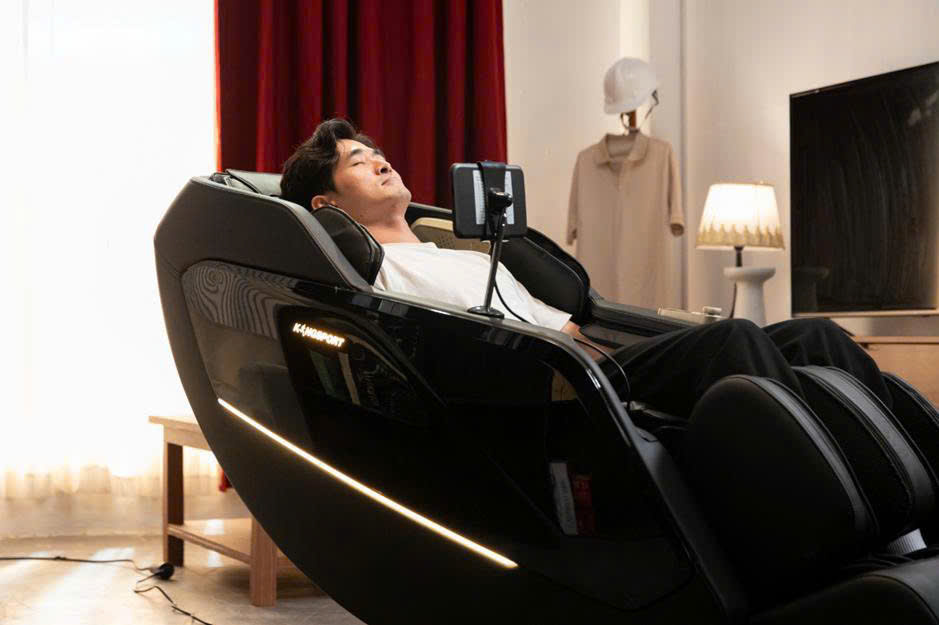 |
Wellness equipment like massage chairs has become a proactive health investment for many families. Photo: Kingsport |
According to NielsenIQ's (NIQ) "Consumer Outlook - Guide to 2026" report, global consumers in 2026 are expected to prioritize essential needs like utilities, education, healthcare, and housing. Conversely, short-term entertainment expenses such as dining out, travel, and movies are being reduced or carefully reconsidered.
A survey by Vietnam Report indicates that 55,8% of consumers intend to increase their spending on healthcare activities in 2026. The survey results highlight a growing consumer priority towards preventative measures and enhancing quality of life.
Many individuals are no longer waiting for health issues to arise; instead, they are proactively investing in experiences that rejuvenate energy within their own living spaces. Health is no longer an incidental expense but a long-term investment in life and work performance.
Investing in wellness equipment
With the rise of proactive healthcare, many people, especially young individuals and middle-class families in major cities, view wellness equipment as a key investment. Devices, machines, and technologies that support active at-home physical and mental health maintenance are increasingly common in living spaces. Among these, massage chairs are becoming integral to modern lifestyles, combining convenience, health benefits, and interior aesthetics. Phuong Hoa's family recently selected a massage chair for convenient family healthcare. "Family members can use it daily, right at home, which is both convenient and cost-effective," Phuong Hoa said.
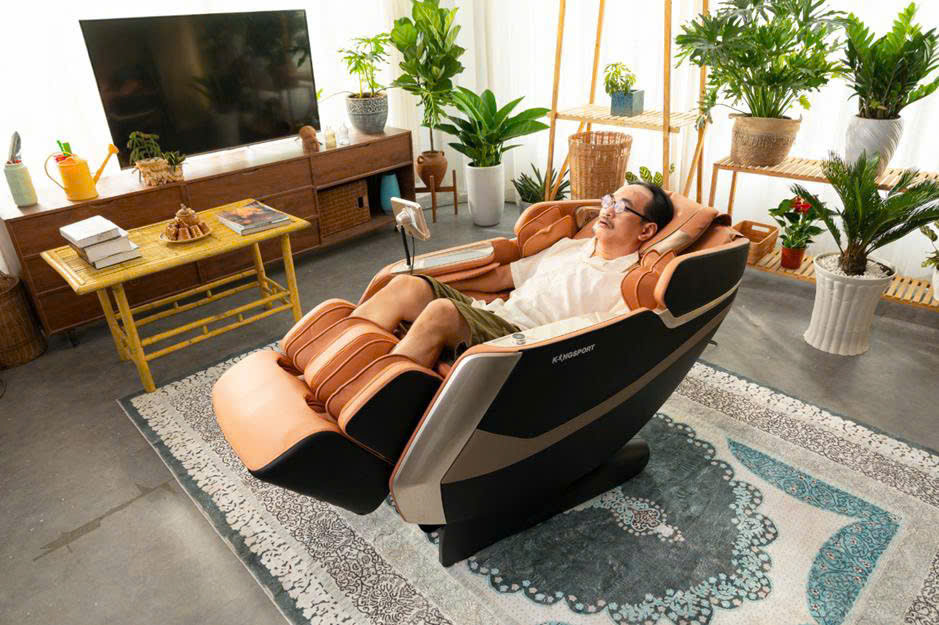 |
Massage chairs are increasingly appearing in many family living spaces. Photo: Kingsport |
Market shifts are driven not only by user demand but also by a wave of new technology. The integration of artificial intelligence (AI) into healthcare devices is transforming the user experience entirely. Instead of operating on fixed modes, new technologies enable devices to personalize experiences based on each user's physical condition and specific needs.
Kingsport, a wellness equipment brand, exemplifies this trend with technologies like KingTech and KingSonic, which integrate smart AI systems across many product lines. This allows the system to detect acupoints, recognize body contours, and automatically set appropriate massage modes for different users. A brand representative stated that AI is transforming the wellness industry from simple healthcare devices into solutions that support more personalized living experiences.
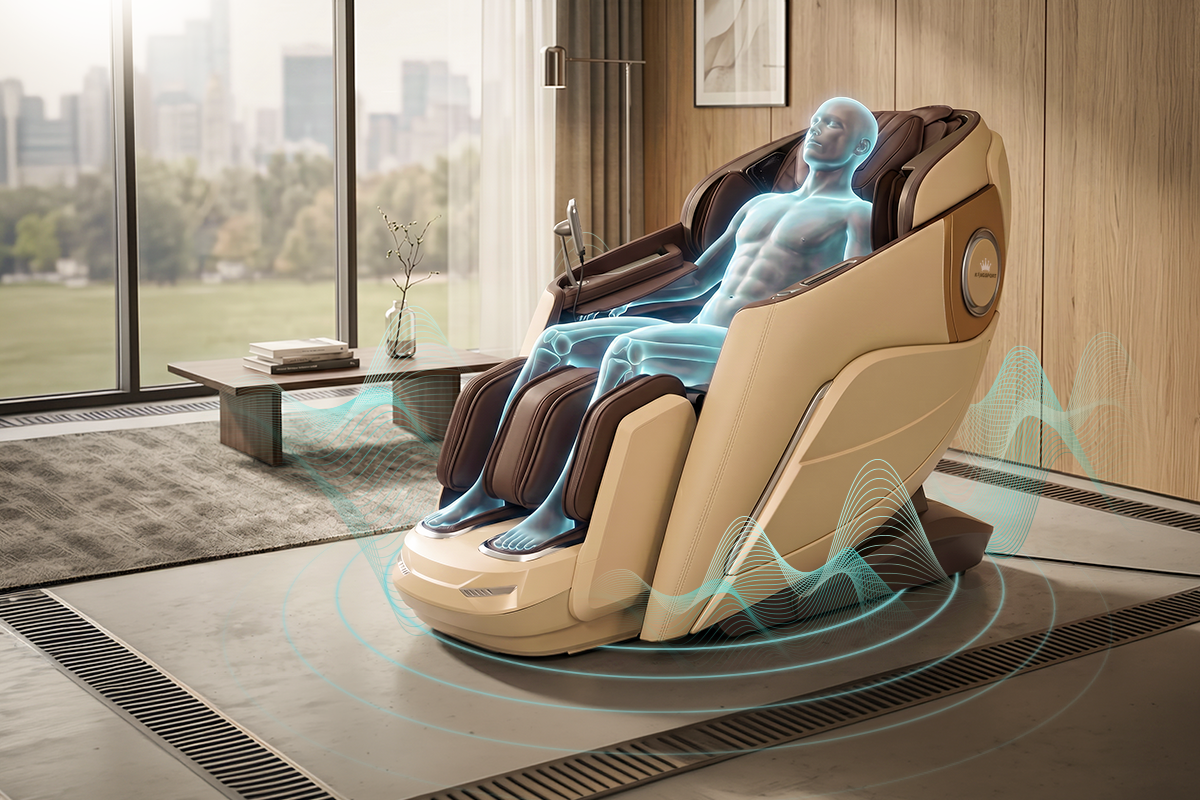 |
KingTech and KingSonic technologies allow for personalized experiences based on each user's physical condition and specific needs. Photo: Kingsport |
Diep Chi
To explore modern wellness trends and discover Kingsport's offers, readers can contact hotline 1800 6862 or visit the brand's official TikTok channel and its system of over 300 showrooms nationwide.