Working as both a delivery driver and a cleaner, Marina (from Brazil) juggles two jobs in the UK to support her two daughters. "The irony is that I earn more money cleaning toilets than I do from delivery work," the single mother said.
Marina is just one of hundreds of thousands of food delivery drivers in the UK, primarily working for major apps such as Just Eat, Deliveroo, and Uber Eats. Most are immigrants, working legally but enduring harsh conditions that locals would find difficult to accept.
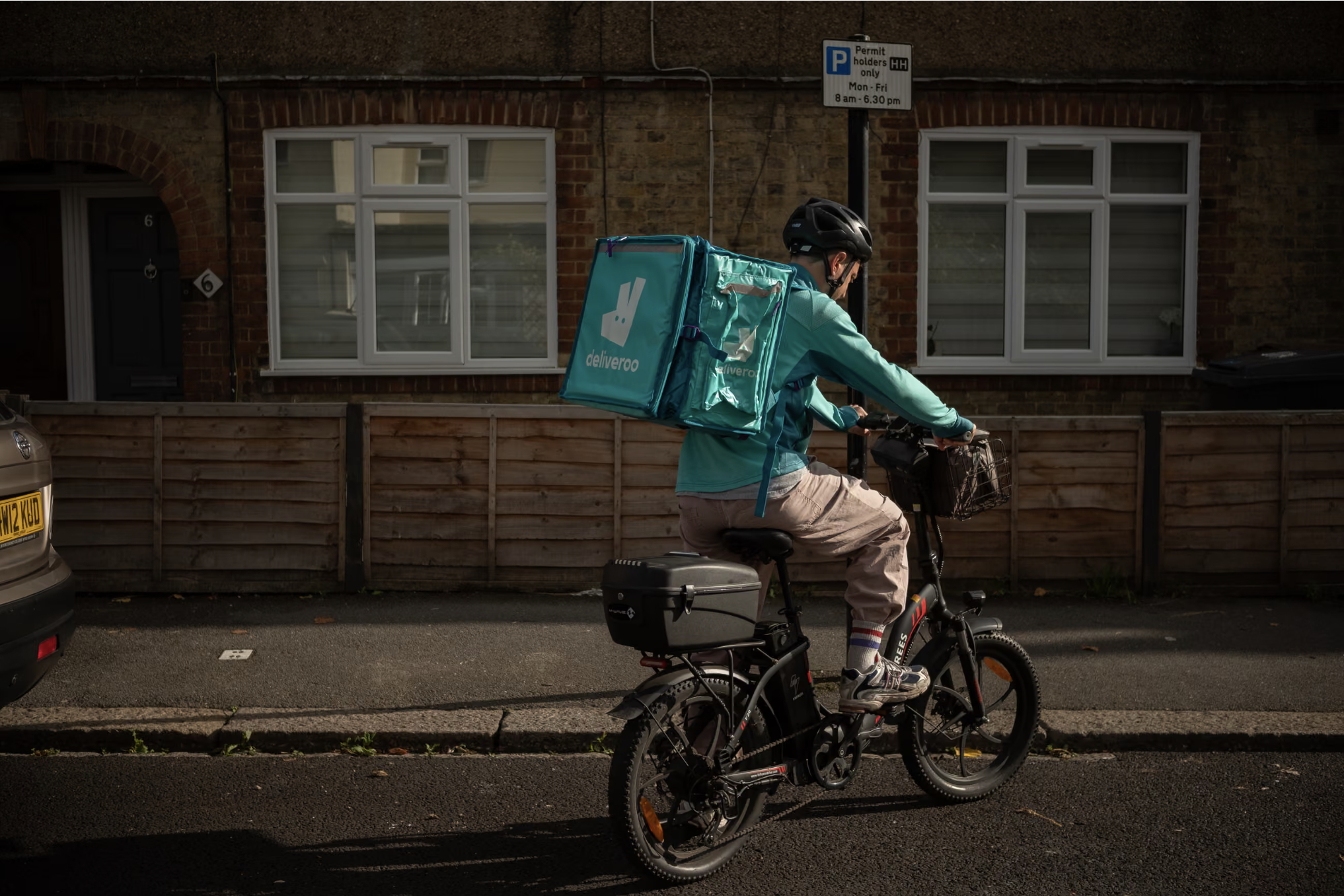 |
Many delivery drivers in the UK say their work makes them feel like delivery machines, not people. Photo: Guardian |
Many delivery drivers in the UK say their work makes them feel like delivery machines, not people. Photo: Guardian
Adam, a law student from Sudan, calls this profession terrible. Despite cycling hard all day, on lucky days he earns only about 50-60 pounds. For Rayan, a former literature student who dreams of becoming a professor, rainy and snowy days are a nightmare but also the easiest time to earn money because customers prefer to stay indoors.
"Some days it's so cold that I have to use a hairdryer to 'thaw' my feet. The wind and rain make my skin pale," Rayan recounted. Cycling 12 hours daily, his weekly income of 300 pounds is insufficient to support his wife and children and pay off debts. The physically draining work leaves the literature graduate unable to even hold his favorite book.
Beyond labor exploitation, they also face contempt and harassment. Mohammed, a Syrian refugee, likens delivery drivers to "third-class citizens," invisible to customers. Rayan was attacked two times by a group of teenagers "just for fun," as society often assumes delivery drivers are vulnerable, undocumented workers.
For Marina, the harassment comes from male customers. In a chat group of 800 female delivery drivers, she and her colleagues often share experiences of customers opening the door naked or in underwear. "One person tried to pull me into their house, another slapped me in the street. They make me feel subhuman," she said.
Drivers lack direct supervisors. All interactions, order assignments, and payments are handled through the app, sometimes as little as 3 pounds per order. Mohammed remarked bitterly, "We are the new slaves, and the app is our master."
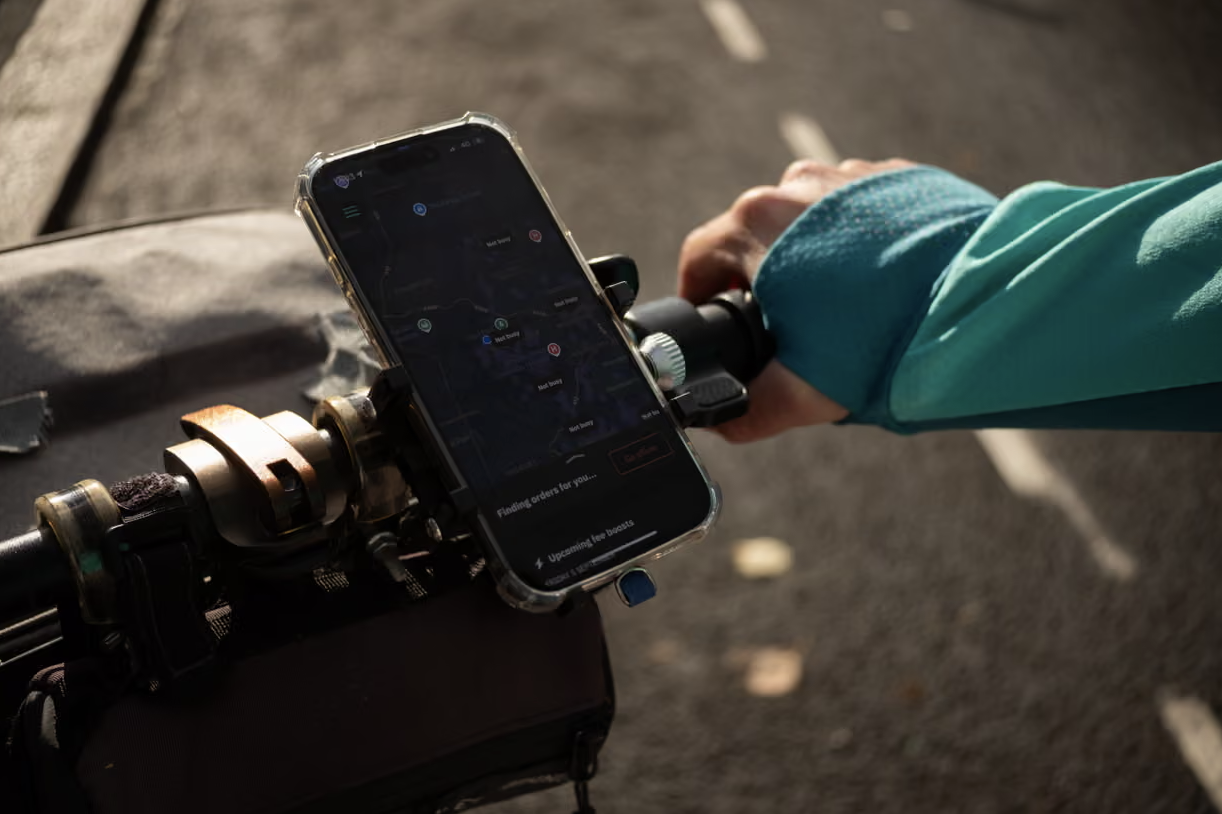 |
Despite low wages and difficult work, many immigrant laborers in the UK cling to these jobs to make a living. Photo: Guardian |
Despite low wages and difficult work, many immigrant laborers in the UK cling to these jobs to make a living. Photo: Guardian
Professor Nando Sigona from the University of Birmingham notes that the food delivery industry is becoming a "laboratory" for a harsh immigrant labor management model: combining automation, digital surveillance, and disregard for basic rights. Unions argue that tech platforms are "reversing history" on labor rights, as delivery drivers lack hourly wages, have no days off, and are forced to race against time, risking accidents, just to survive.
In response to the accusations, representatives from tech ride-hailing companies assert their priority for safety, provision of insurance, and claim that most drivers are satisfied with the flexibility of the work.
However, for individuals like Ahmed (from Turkey), this flexibility comes at the cost of deformed legs from excessive cycling. He also avoids working at night due to fear of racial discrimination.
For Marina, the sole motivation to cling to this arduous job is her children's future. "I hope this sacrifice helps my children break the cycle of poverty, so they never have to do this job like their mother," she said.
Minh Phuong (According to Guardian)