The 22-year-old from Hanoi was role-playing a celebrity pursued by paparazzi. Trang Anh revealed she hired a professional photographer for two million dong to create this photo series. Unlike typical photography services, the photographer had to stand at a distance, hide behind a pole, or blend into the crowd, while the "model" simply walked and acted naturally, unaware of when she would be photographed.
"The feeling of walking and knowing there's a lens focused on me made me as excited as a real celebrity", Trang Anh said.
To achieve authentic "hunted celebrity" photos, she spent a month searching for experienced photographers specializing in idol photography (often called "fansite masters") rather than traditional portrait photographers. According to her, only these individuals know how to capture moving moments while maintaining a "glamorous" aura.
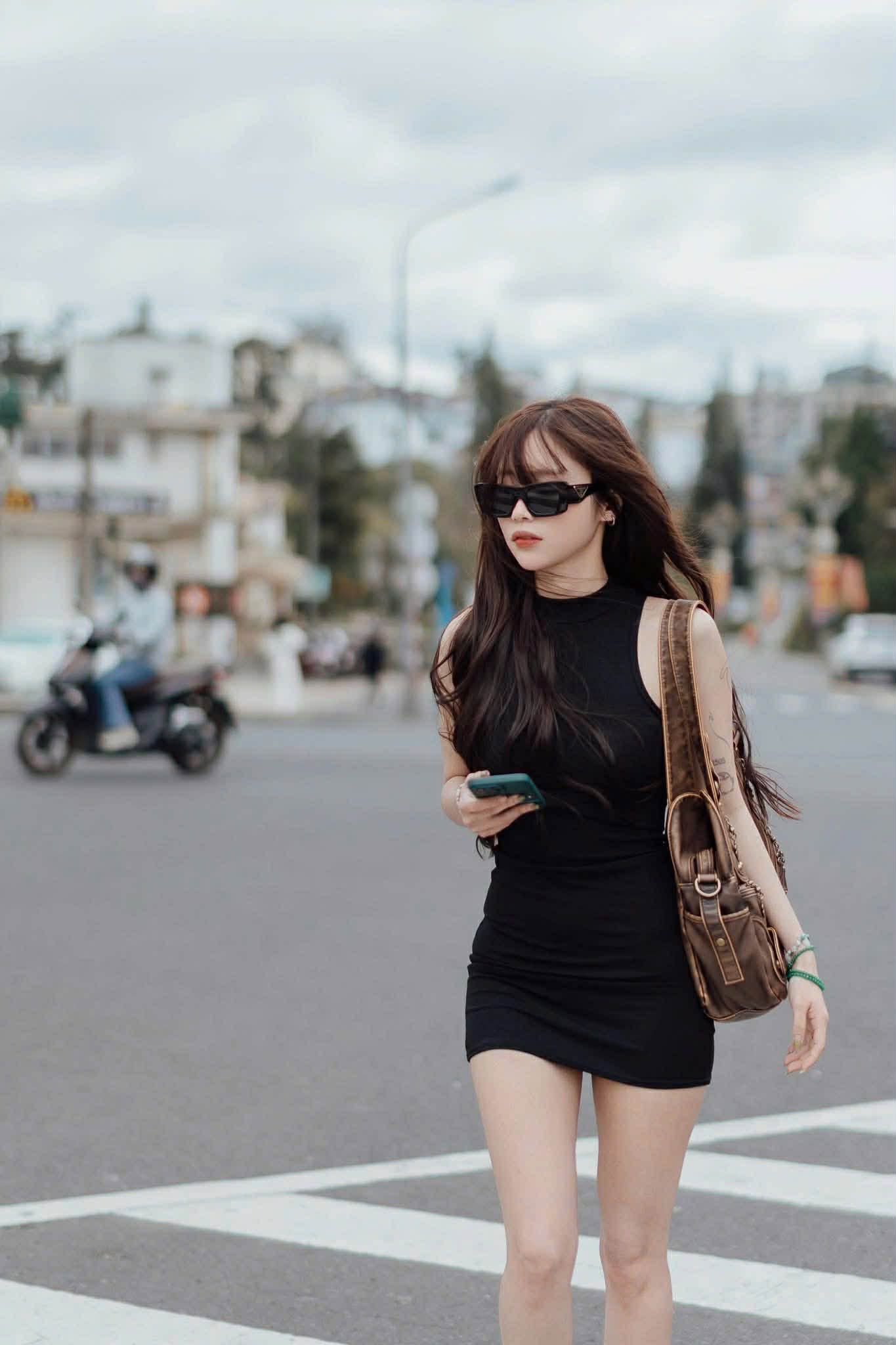 |
Bao Han, 20, from Da Lat, spent several million dong hiring a "paparazzi" photographer, December 2025. *Photo: Hoang Kha* |
Hoai Thu, 23, from Hanoi, also recently spent a significant amount to follow this trend. She explained that the trend originated from Chinese and Korean idol culture, where "fansite masters" often use high-end equipment to capture everyday moments of stars. Thu's TikTok video, showcasing her "hired paparazzi" experience, has garnered over 3 million views.
The enthusiastic response from the online community has significantly amplified this trend. Over the past month, TikTok has seen hundreds of videos replicating this phenomenon, attracting millions of views. The hashtag "fansite master" – a term for those who specialize in photographing their idols in China and Korea – has been used by tens of chuc nghin Vietnamese people, underscoring the influence of fandom culture on young generations.
Recognizing this demand, many photographers in Hanoi and Da Lat have begun offering "paparazzi" photo packages. Hoang Nguyen Kha, owner of a photo studio in Da Lat, reported a surge in bookings over the past few weeks. He invested in long-focal-length lenses, such as 70-200 mm or 85-135 mm, to accurately simulate candid photo angles.
"Customers don't need to pose; they just walk around, drink coffee, or look at their phones. Not knowing the photographer's location creates excitement and very natural photos", Kha said.
Similarly, Tuan Tu, a photographer in Hanoi, receives dozens of bookings each week, primarily from clients aged 18-25. Their preferred settings include train stations, hotel lobbies, or even airports with luggage.
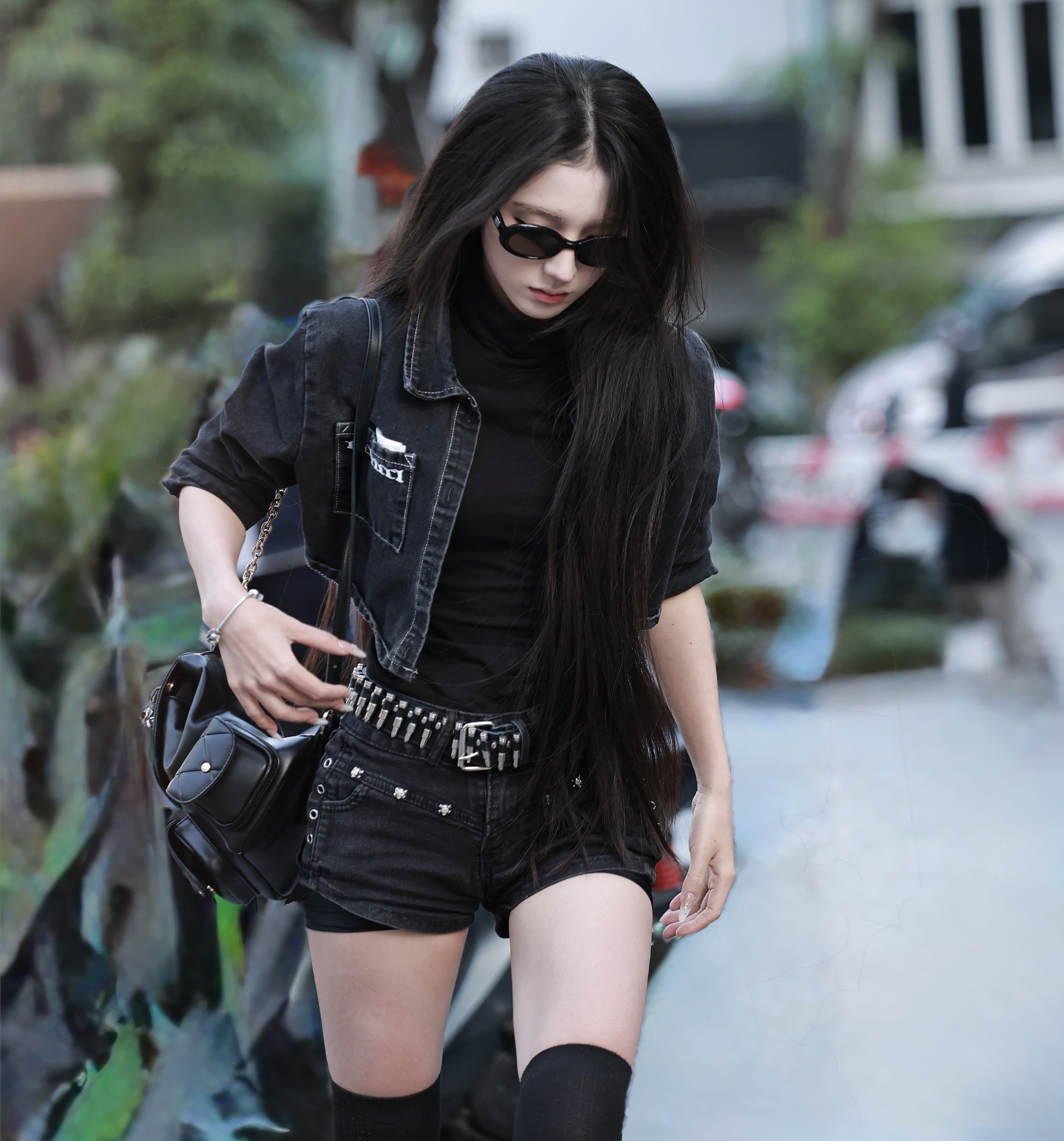 |
Hoai Thu, 23, from Hanoi, embracing the trend of hiring a photographer for candid shots like an idol, November 2025. *Photo: Provided by subject* |
However, not everyone is satisfied with the experience. Bao Tram, 23, from Da Lat, spent 3 million dong on a photo series but was disappointed with the results. Due to her lack of posing experience and the photographer's inability to provide direct guidance (as they had to stand far away), most of her photos were blurry or had unflattering expressions. "To follow this trend, you need to have a good appearance and natural charisma already; otherwise, it's just a waste of money", Tram concluded.
Explaining the trend's appeal, Le Anh Tu, a lecturer in the Faculty of Public Relations and Communication at the University of Economics and Finance, Ho Chi Minh City, suggested it is a way for young people to express their desire for self-affirmation and to bridge the gap with their idol's lifestyle. Instead of just collecting photos or music albums like the generations born in the 70s and 80s, Gen Z now wants to directly experience the feeling of being sought after.
According to Thu Thao, a psychological expert in Ho Chi Minh City, in an era influenced by fandom culture and the trend of self-idolization, young people face immense pressure to become a "perfect version" of themselves. By hiring paparazzi for candid shots, young individuals feel their self-worth is more validated, much like a real celebrity pursued by the media.
From a psychological perspective, this behavior serves as a coping mechanism to relieve stress. Creating a glamorous image helps them feel their self-esteem is boosted.
"However, if they become immersed in this illusory adoration for too long, young people can easily fall into a state of living in a dream world, making it difficult to confront the harsh realities of their personal lives", Thao warned.
Tu also noted that following trends for entertainment and stress reduction is positive. However, young people need to clearly distinguish between this brief experience and their core values.
"Embracing trends to spread self-confidence rather than chasing illusory recognition is key to maintaining psychological well-being in the digital age", Tu said.
Nga Thanh