Born in 1986, the last year Mexico hosted the World Cup, Eduardo Marin often jokes that he measures his life not by years, but by the World Cups that have passed.
In 1994, as a boy, he and his family anxiously watched the penalty shootout between Mexico and Bulgaria. In 2006, as a university student, he witnessed Maxi Rodriguez's volley that eliminated Mexico from the knockout round.
By the 2018 World Cup, in his early 30s, Marin and eight friends painted a bus green, white, and red, then drove from Germany to Russia to support their home team. Images of the bus appeared on many international television channels, bringing the group unexpected fame on social media.
However, with the World Cup now back in Mexico, Marin is not in the stands. He did not buy tickets for any matches. The bus that accompanied him on the Russia trip now gathers dust in his garage.
"In the past, the World Cup belonged to the people", Marin said. "Today, it is a playground for those with money, much like Formula 1 racing".
Marin stated that his entire trip to Russia in 2018, including tickets for three matches, cost approximately 5,000 USD. For this year's tournament, that amount is only enough to buy one ticket for Mexico's opening match on home soil.
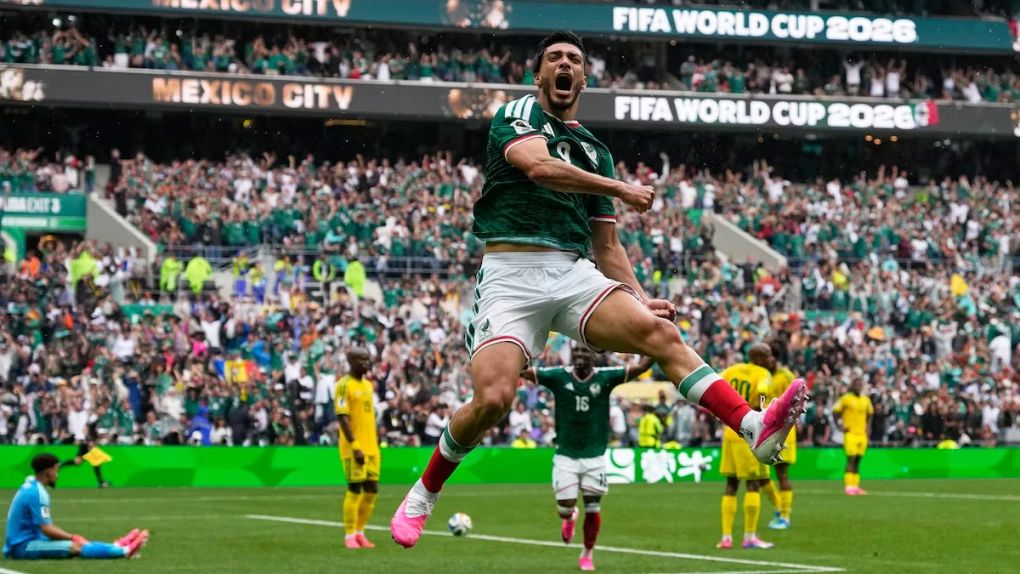 |
Raul Jimenez celebrates after scoring in the World Cup 2026 group stage match between Mexico and South Africa at Azteca Stadium, Mexico City, Mexico on 12/6. Photo: AP
Marin is not alone in feeling left out.
Many Mexicans believe they can no longer afford to directly experience the biggest football festival on the planet. At Azteca Stadium in Mexico City, some fans reported paying 3,000 to 5,000 USD for opening match tickets. This price equals 10 months' salary for an average worker in Mexico. Meanwhile, Mexico is only hosting 13 out of a total of 104 matches for the 2026 World Cup, with most remaining matches taking place in the United States.
The cost of watching the tournament on television has also risen. While previous World Cups were widely broadcast on free channels, many matches this year are only available through paid subscription packages. At Salon Casino, a bar in Mexico City's Doctores district, manager Luis Bernot said staff had to modify promotional content to avoid copyright violations. Outside the bar, they hung a banner that read: "Football is life", accompanied by an image of a ball covered in national flags instead of official FIFA imagery.
According to TelevisaUnivision, broadcasting rights fees for the World Cup at bars and restaurants range from 233 USD for small establishments to over 1,200 USD for larger venues. Businesses using personal television packages for public broadcasting face penalties.
At Las Delicias de la Obrera, an eatery in Mexico City's Obrera district, manager Julio Mendoza explained that purchasing a commercial broadcasting package was beyond their means. The restaurant only shows matches broadcast for free. Last weekend, the TV in the restaurant was showing a drama series while Haiti played Scotland. Mendoza had hoped the World Cup would attract more customers, especially tourists, but reality did not meet expectations.
FIFA stated that current ticket prices are comparable to other major global sporting events. The Mexican government announced it has organized free public viewing areas in various localities.
For Marin, who once traveled thousands of kilometers to follow the national team, being unable to attend the World Cup in his home country marks a significant change.
"The World Cup no longer has the energy it once did. It's not like it used to be", he said.
Nhat Minh (Reuters)