Speaking recently at the World Economic Forum in Davos, Switzerland, billionaire Jensen Huang highlighted a significant shift in the labor market. He suggested that as graduates increasingly struggle to find jobs due to economic instability and AI's impact, future life-changing opportunities will emerge not on Wall Street or at Silicon Valley tech companies, but on construction sites.
According to the Nvidia head, the race to build massive AI data centers is compelling technology corporations to expand infrastructure on an unprecedented scale. Global capital expenditure for this sector is projected to reach USD 7 trillion by the end of the decade. This surge in development creates immense demand for direct labor, from plumbers and electricians to construction workers and technical installers, Huang stated.
He described this as a pivotal moment for those in skilled trades to establish a new standing. "You do not need a computer science doctorate to earn a good income in this era," the Nvidia CEO emphasized. He explained that building and maintaining "AI factories"—referring to data centers—requires practical skills that AI cannot yet replace.
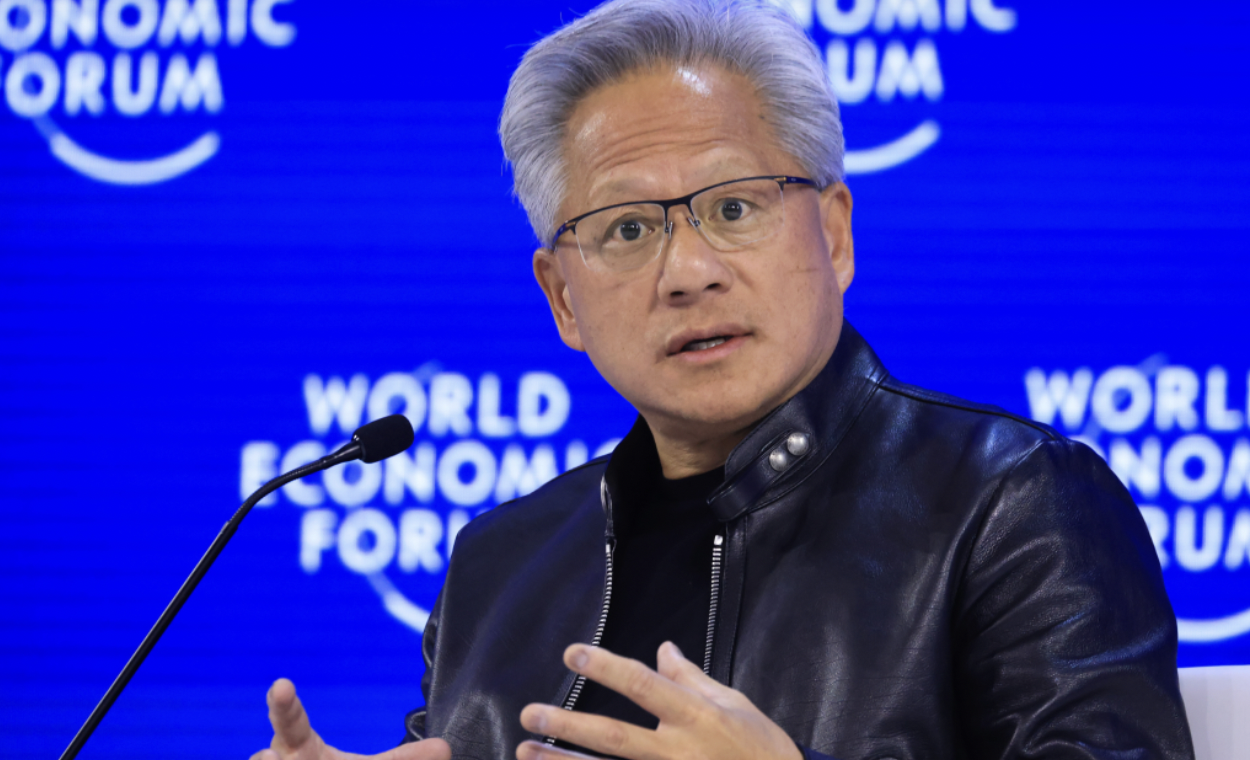 |
Nvidia CEO Jensen Huang. Photo: Fortune |
Data from the US market supports Huang's prediction. The US Bureau of Labor Statistics (BLS) estimates the country will face an annual shortage of approximately 81,000 electricians between 2024 and 2034. Another McKinsey report indicates a need for an additional 130,000 electricians, 240,000 construction workers, and 150,000 construction supervisors to satisfy infrastructure demands.
Jensen Huang is not alone in recognizing this shift; many other major business leaders also observe this trend, albeit with greater concern for office workers. Jim Farley, CEO of Ford, previously warned that while AI is gradually narrowing opportunities for white-collar workers, the US faces a severe shortage of blue-collar labor. He noted that new hires at technology companies have decreased by 50% compared to 2019, while the manufacturing sector lacks hundreds of thousands of workers.
"The dream of bringing manufacturing back to the US will be difficult to realize without skilled tradesmen," the Ford CEO stated, raising concerns that the education system continues to steer too many young people towards traditional university paths instead of vocational training.
Echoing this sentiment, Larry Fink, CEO of investment fund BlackRock, also considers the electrician shortage the biggest "bottleneck" for AI development. Even with trillions of USD in capital ready, data center projects could still face delays due to a lack of skilled personnel to install their complex energy systems.
Ngoc Ngan (According to Fortune, Bloomberg)